Top Mobile Utilities for Swimmers and Outdoor Enthusiasts
Swimmers, trail runners, and outdoor enthusiasts rely on mobile utilities to navigate off-grid routes, monitor field conditions, and maintain device hardware. Purpose-built tools—such as acoustic water-clearing utilities, offline topographic maps, and barometric monitors—address environmental conditions that standard operating system features do not handle by default. Choosing practical utilities ensures your phone remains functional in wet, dusty, or remote environments.
The Vulnerability of Mobile Devices Near Water and Dust
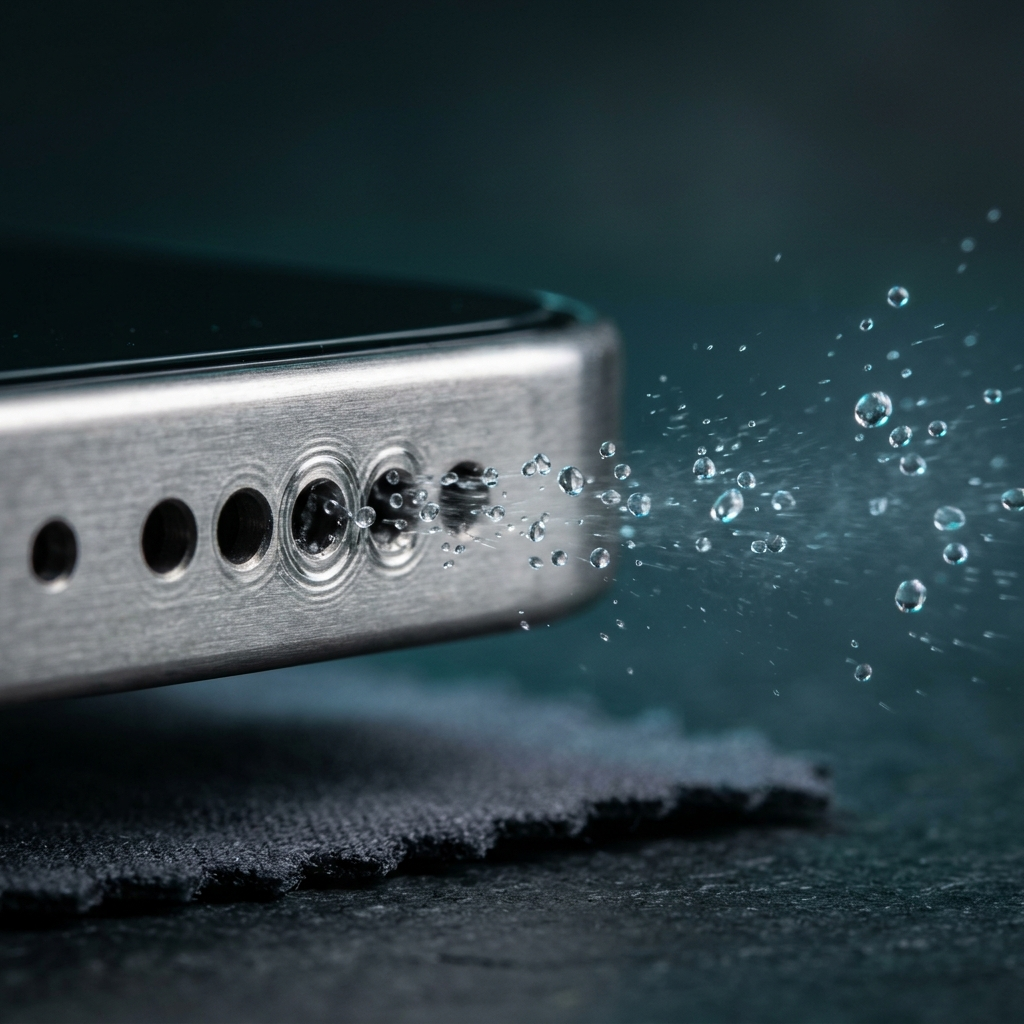
Modern smartphones carry ingress protection ratings such as IP67 or IP68, which certify resistance against passive submersion under controlled conditions. Real-world outdoor use, however, involves dynamic water pressure, chlorine, salt, sand, and fine trail dust. When water settles into external speaker grilles, surface tension traps moisture across the mesh, dampening sound output and leaving calls and alerts difficult to hear.
If moisture on exterior speaker membranes mixes with dust or sediment, the dried residue can gradually obstruct acoustic ports. Addressing trapped moisture promptly helps prevent sediment from caking over external speaker meshes.
Key takeaway: Ingress ratings protect internal components from liquid intrusion, but external speaker grilles still retain trapped water droplets and surface sediment.
Acoustic Clearing: Restoring Sound with Speaker Cleaner: Water Eject
When fluid settles into the fine mesh of a speaker port, capillary force holds it in place. Common home remedies such as shaking the device or inserting cotton swabs risk pushing moisture deeper into seams or damaging the protective grille. A non-invasive alternative uses low-frequency sound waves to vibrate the speaker assembly.
The utility Speaker Cleaner: Water Eject uses this mechanism. The app plays specific, loud, low-frequency sound waves around 165 Hz. At this frequency, the speaker diaphragm vibrates rapidly, producing air movement that helps dislodge trapped water droplets and loose dust from the grille.
Recommended Procedure for Acoustic Ejection
- Wipe the phone exterior with a dry, lint-free cloth to remove surface moisture.
- Remove cases or covers that might trap water around the speaker openings.
- Hold the device with the speaker grille pointed downward so gravity assists drainage.
- Open Speaker Cleaner: Water Eject, set the media volume to maximum, and run the clearing cycle.
- Wipe away any moisture or loose debris expelled onto the phone exterior.
Key takeaway: Low-frequency sound waves around 165 Hz vibrate the speaker mechanism to help dislodge trapped liquid and loose dust without physical contact.
Navigation and Mapping Utilities with True Offline Support
Swimmers mapping coastal entries, kayakers paddling waterways, and trail runners often travel outside cellular range. Standard mapping apps that stream map tiles frequently stop updating when cellular reception drops. Dedicated outdoor navigation utilities solve this by downloading topographic maps directly to the device.
Practical navigation utilities allow users to download regional maps, import GPX tracks, and log waypoints without an active data connection. Verifying routes and access points offline helps athletes maintain bearings in remote terrain.
- Vector Topography: Download elevation contours and trail data before heading out.
- Waypoint Storage: Save access points, meeting locations, and route markers for offline reference.
- Battery Considerations: Continuous GPS tracking increases power consumption; adjust tracking intervals during longer outings to preserve battery life.
Key takeaway: Download necessary trail and marine maps before traveling into areas with limited or absent mobile coverage.
Environmental and Barometric Monitoring Tools
Rapid weather changes can affect safety during outdoor swims, runs, and hikes. While standard weather apps provide regional forecasts, dedicated utilities can read the phone's internal barometric pressure sensor to track local pressure trends. A steady drop in barometric pressure often signals incoming precipitation or deteriorating weather.
For water sports, specialized apps also provide tide tables, tidal current charts, and UV forecasts. Checking local tide schedules helps swimmers and paddlers avoid strong opposing currents or submerged obstacles.
Key takeaway: On-device barometric readings and offline tide tables offer localized environmental awareness when mobile network access is limited.
Field Maintenance Checklist for Outdoor Enthusiasts
Regular maintenance protects mobile devices exposed to water, salt, and dirt during outdoor activities:
- Rinse after exposure: If the device contacts saltwater, chlorinated water, or mud, rinse it briefly with clean tap water and wipe dry.
- Clear speaker grilles: Run Speaker Cleaner: Water Eject after wiping the exterior to help remove moisture before dirt or minerals dry inside the mesh.
- Avoid artificial heat: Do not use hair dryers or compressed air, as extreme heat or high pressure can compromise device seals.
- Check ports before charging: Allow charging ports to dry completely before plugging in a cable, or use a wireless charger if supported.
Key takeaway: Prompt cleaning, proper drying, and acoustic ejection keep speakers clear and prevent debris accumulation.
Equipping Your Mobile Toolkit
Smartphones serve as emergency communicators and navigational aids for outdoor athletes. Keeping hardware operational in damp environments requires practical maintenance habits and targeted software tools. Pairing offline mapping and environmental monitors with acoustic maintenance tools like Speaker Cleaner: Water Eject ensures your device remains functional throughout outdoor outings.
Frequently Asked Questions
Acoustic water ejection plays low-frequency sound waves around 165 Hz. These frequencies cause the phone's speaker diaphragm to vibrate, creating rapid air pulses that physically dislodge trapped liquid droplets and loose dust from the speaker grille.
No. IP68 ratings indicate protection against liquid entering internal electronics, but water can still pool inside external speaker grilles and temporarily muffle sound until cleared.
No. Low-frequency acoustic cleaning relies on standard audio output within normal operational limits, moving the diaphragm similarly to regular media playback.
Wipe excess moisture off the phone exterior with a clean cloth, remove cases that cover or block the speaker openings, and face the speaker grille downward.