MacroFactor vs. MyFitnessPal: Which Is Better for Tracking Macros?
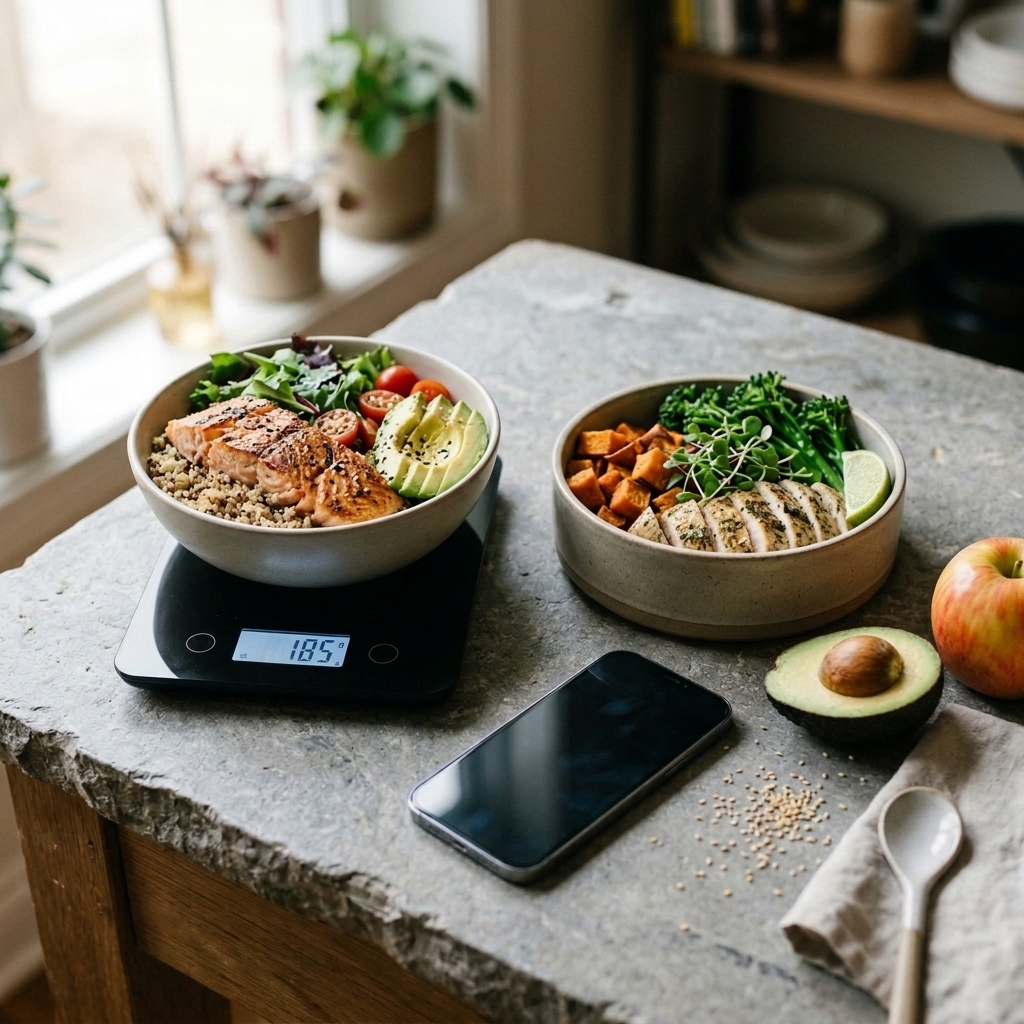
When comparing MacroFactor and MyFitnessPal for macronutrient tracking, MacroFactor serves athletes and structured dieters requiring automated expenditure adjustments, while MyFitnessPal suits users who prioritize a large, crowd-sourced food database. However, both platforms rely heavily on manual text logging and barcode searching, which introduces daily friction. For individuals seeking accurate macronutrient targets alongside rapid logging, tools like Foodly: Calorie & Macro Log offer an alternative by calculating protein, fats, and carbohydrates directly from meal photos.
The Core Methodological Difference: Adherence vs Expenditure
The primary distinction between MyFitnessPal and MacroFactor lies in how each platform handles metabolic adaptation. MyFitnessPal relies on a static formula based on baseline profile inputs, adjusting daily allowances only when you manually update body weight or log cardiovascular exercise. This method can distort calorie targets if linked activity trackers overestimate calorie expenditure.
MacroFactor takes an adherence-neutral, algorithm-driven approach. By pairing daily scale weight with logged intake, it estimates actual total daily energy expenditure (TDEE). If weight plateaus during a fat loss phase, MacroFactor reduces weekly macro allocations automatically, irrespective of estimated exercise calories. This treats intake strictly as data, independent of target adherence.
Key differences in target management include:
- MyFitnessPal: Uses static metabolic equations and logged exercise entries to adjust calorie goals daily.
- MacroFactor: Recalculates caloric and macronutrient targets weekly based on observed weight trends.
- Takeaway: If you prefer automated macro adjustments when progress stalls, MacroFactor provides structured analytics, whereas MyFitnessPal requires manual intervention.
Database Accuracy and Logging Friction
A macro tracker depends heavily on the accuracy of its underlying nutritional data. MyFitnessPal contains one of the largest food directories available, spanning millions of entries. However, because much of this catalog is user-generated, inaccuracies occur frequently. Users often encounter duplicate items with conflicting carbohydrate, fat, and protein values.
MacroFactor relies exclusively on verified, research-grade databases such as USDA FoodData Central. While this prevents duplicated or incorrect entries, locating specific commercial restaurant items or regional packaged goods can take longer. In those cases, users must create custom recipes or log individual raw ingredients.
For many dieters, the primary obstacle is the time required to search for line items. Foodly addresses this friction with visual food logging. Rather than entering individual ingredients manually or filtering through conflicting search results, users can photograph a meal. Foodly uses image recognition to identify foods, estimate portions, and calculate protein, carbohydrate, and fat totals, while allowing manual adjustments for accuracy.
Key database trade-offs include:
- MyFitnessPal: Large catalog, higher incidence of user-generated errors, and regional paywalls for barcode scanning.
- MacroFactor: Verified nutrient data, smaller total item count, and no crowd-sourced duplicates.
- Foodly: Image recognition estimates macros from meal photos, reducing manual entry while supporting editable values.
- Takeaway: Choose MyFitnessPal for catalog size, MacroFactor for validated nutrition profiles, or Foodly for faster photo-based logging.
Target Customization and Coaching Algorithms
Tracking macros effectively requires flexible ratio management. MyFitnessPal restricts custom gram-based macronutrient targets to its premium tier; free users must set targets in 5% increments, making precise protein targets difficult to establish.
MacroFactor is designed specifically for macronutrient management, offering Collaborative, Coached, and Manual setups. Users can set specific protein targets while allowing the application to distribute remaining calories between carbohydrates and fats based on personal preference or training demands.
Macro Management Capabilities
- Gram-Level Precision: MacroFactor supports exact gram targets across all tiers, whereas MyFitnessPal requires a paid subscription for gram-based inputs.
- Floor and Ceiling Protections: MacroFactor enforces nutritional minimums, preventing fat intake from dropping below recommended thresholds during calorie deficits.
- Long-Term Trend Analysis: Tracking weekly nutritional averages helps smooth out single-day fluctuations. Foodly applies a similar principle through a weekly trend dashboard that displays intake patterns over time alongside daily macro budgets.
- Takeaway: MacroFactor offers structured algorithmic coaching for body recomposition, while MyFitnessPal serves primarily as a general calorie and nutrition logger.
Daily Usability: Which Fits Your Lifestyle?
Choosing between these platforms depends on your daily workflow and preferred logging method. Advanced analytics offer little benefit if logging friction leads to inconsistent tracking.
Consider your daily routine before selecting a tracker:
- Choose MyFitnessPal if: You frequently log pre-packaged foods, dine at chain restaurants, and prefer a large community-sourced food catalog.
- Choose MacroFactor if: You prepare most meals at home, weigh portions on a scale, and want an analytical tool that adjusts macro targets based on weight trends.
- Choose Foodly if: You want consistent macro and calorie tracking without extensive manual searching. Photo recognition calculates meal composition and tracks daily budgets while preserving manual control.
Consistent logging is essential for meeting nutrition goals. Evaluate whether database size, weekly expenditure adjustments, or meal photo analysis best supports your daily routine.
Frequently Asked Questions
MacroFactor is designed for structured physique goals, offering dynamic energy expenditure tracking, gram-level macronutrient customization, and automated target adjustments based on weight trends.
Yes. AI-powered trackers like Foodly analyze meal photos to identify food items and estimate macronutrient distributions. Users can review confidence scores and adjust values manually for precision.
No. MyFitnessPal requires a premium subscription to configure custom macronutrient goals by exact gram amounts. Free accounts are limited to adjustments in 5% increments.