How to Estimate Portion Sizes Without a Scale: A Precision Guide
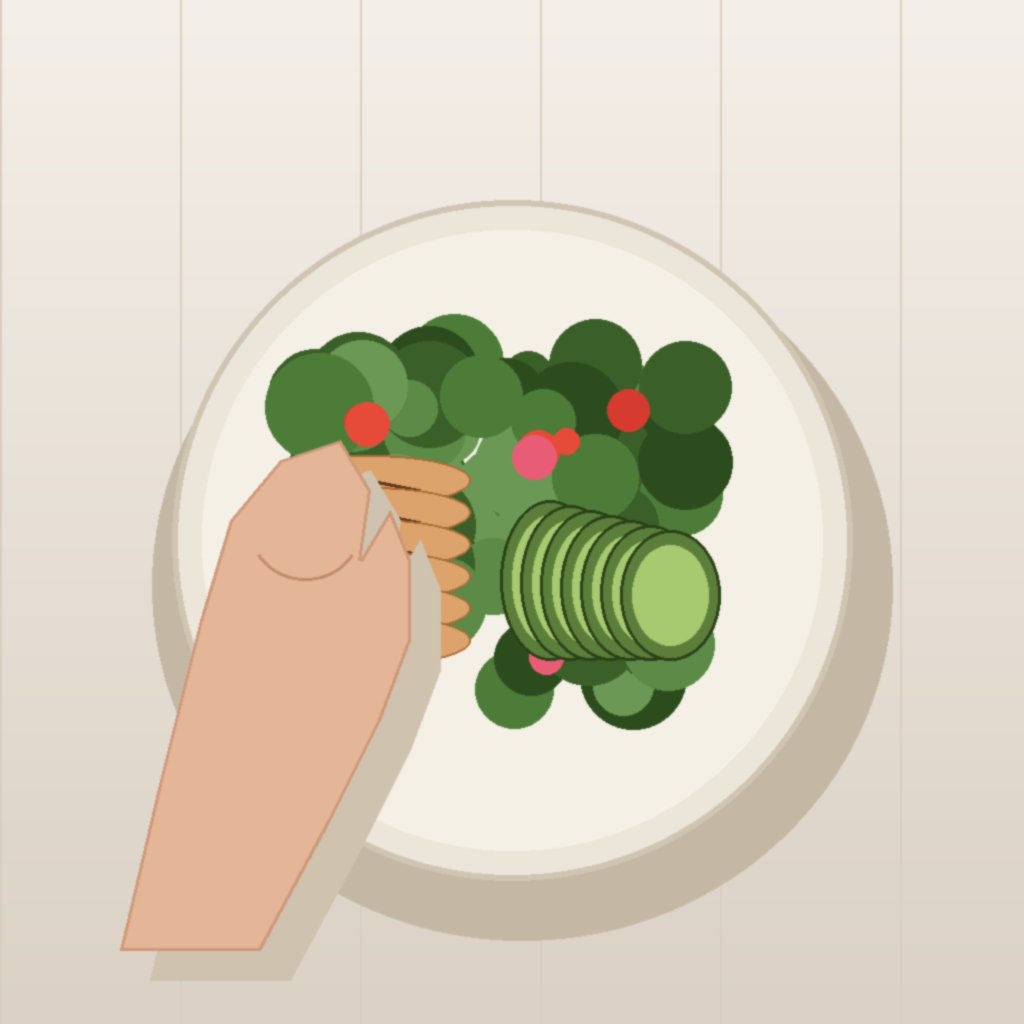
Estimating portion sizes accurately without a scale relies on relative volume comparisons using standardized household items, hand measurements, and plate-division models. By mapping common visual reference points—such as a fist for complex carbohydrates or a palm for lean proteins—you can estimate dietary intake within a 10 to 15 percent margin of error. This visual reference framework provides functional accuracy while eliminating the need to weigh meals in social or professional settings.
The Science of Visual Portion Estimation
Caloric density varies significantly across macronutrient categories, making visual miscalculation a primary driver of unintended caloric surplus. For instance, an unmeasured tablespoon of fat, such as olive oil or nut butter, can easily double in volume without a noticeable visual difference on a plate. Establishing standard physical proxies provides a reliable baseline across diverse food textures and shapes.
Using your hand as a measurement tool works effectively because hand size generally correlates with overall body size and caloric requirements. Unlike fixed measuring cups, your hand is always available, allowing for consistent dietary tracking during travel, restaurant dining, or catered events. Maintaining consistent reference points builds accurate spatial intuition over time.
- Palm (excluding fingers): Represents approximately 3 to 4 ounces of cooked dense protein, such as chicken breast, salmon, or tofu.
- Fist: Equals roughly one cup of dense vegetables, whole fruits, or cooked grains like quinoa and brown rice.
- Cupped Hand: Approximates 0.5 cups or 1 ounce of dry snacks, nuts, seeds, or complex starches.
- Thumb (tip to first knuckle): Measures approximately 1 tablespoon (15 ml) of liquid oils, butter, or dense nut pastes.
The Plate Method for Structural Macro Balance
When measuring individual items is impractical, structural plate partitioning offers a dependable alternative for maintaining macronutrient proportions. Originally developed for glycemic control, this technique divides a standard 9-inch dinner plate into visual zones before serving. Implementing plate geometry prevents portions from drifting out of balance without requiring granular calorie math at every meal.
To execute the plate method, visually divide your plate down the center, then bisect one half into two equal quarters. Fill the largest half with non-starchy vegetables such as broccoli, leafy greens, or bell peppers. Allocate one quarter to lean proteins and the remaining quarter to fiber-rich carbohydrates or starches. Add a thumb-sized serving of dietary fat on the side or as a dressing component.
Adjusting for Deep-Dish and Composite Meals
Composite foods such as casseroles, stir-fries, and grain bowls disrupt standard plate geometry because ingredients are combined. To estimate composite portions, visually deconstruct the meal into its primary volume components before serving. Treat a standard 1-cup volume of mixed casserole as approximately equal parts protein, starch, and added fats, accounting conservatively for cooking oils.
Everyday Household Items as Precision Visual Anchors
When hand measurements feel imprecise, standard consumer objects provide universally recognized dimensional benchmarks. Most household objects retain standard manufacturing dimensions, making them reliable reference points for volume and surface area comparison.
- Tennis Ball: Represents 0.5 cups (4 fluid ounces), ideal for measuring items like cooked pasta, oatmeal, or Greek yogurt.
- Deck of Cards: Matches the thickness and surface area of a standard 3-ounce protein serving.
- Golf Ball or Ping-Pong Ball: Approximates 2 tablespoons (1 fluid ounce), suitable for salad dressings, hummus, or cream cheese.
- Compact Disc or Smartphone Screen: Outlines the standard diameter of a single pancake, waffle, or deli flatbread slice.
Keep in mind that serving plates in commercial restaurants are often 11 to 13 inches in diameter—significantly larger than standard home cookware. Matching your visual anchor to the food item itself rather than the proportion of the serving plate prevents serving-size inflation.
Navigating Restaurant Dining and Unfiltered Menus
Dining out introduces variance through preparation oils, large serving sizes, and hidden sauces. Restaurant portion sizes routinely exceed recommended single-meal servings by 100 to 300 percent. Developing a proactive strategy before the meal arrives helps keep caloric tracking grounded in realistic metrics.
Requesting dressings and sauces on the side restores control over liquid fats, which carry the highest caloric density per volume unit. When the entree arrives, immediately divide the portion according to your visual anchors, reserving the remainder for later. This mental benchmark breaks the impulse to consume everything served on oversized dishware.
Maintaining Consistency Across Varied Food Densities
A common error in visual portion control is treating low-density foods identically to dense foods. For instance, a fist-sized portion of raw spinach contains negligible calories, whereas a fist-sized portion of granola represents a dense caloric payload. Factoring in compaction and aeration is essential for true accuracy.
For leafy green vegetables, double your visual estimate to account for low volumetric density. Conversely, for dense, dry, or dehydrated items such as dried fruits, cheese blocks, and roasted seeds, reduce your visual target by half compared to their cooked or hydrated counterparts. Applying density corrections prevents systematic underestimation of high-calorie foods.
Modern Approaches to Frictionless Tracking
Visual estimation is a practical skill that sharpens with consistent practice, bridging the gap between rigid lab scales and intuitive eating. While visual anchors work well for daily routine, leveraging digital tools like Food AI can validate your visual accuracy without interrupting your schedule. Combining trained visual awareness with automated logging ensures long-term nutritional adherence while preserving lifestyle flexibility.
Frequently Asked Questions
Hand-based portion estimation generally yields a 10 to 15 percent margin of error, which is sufficiently precise for routine dietary management and maintaining consistent long-term energy balance.
Use the tip of your thumb as a reference for one tablespoon (15 ml) or ask for dressings on the side so you can measure using a standard dining spoon.
Deconstruct the composite meal visually by using a fist-sized volume anchor to represent approximately one cup, accounting conservatively for cooking fats included in the mixture.
Yes. Larger plates create an illusion that makes portions appear smaller than they are. Always reference fixed physical objects like your hand or standard household items rather than plate proportions alone.