Best Macro Tracking Apps for Beginners in 2026
The best macro tracking apps for beginners in 2026 reduce daily friction by replacing exhaustive manual databases with automated meal recognition and real-time intake summaries. Sustainable nutrition tracking relies on building consistent daily habits rather than demanding immediate precision. Choosing an app that pairs quick meal capture with clear protein, carbohydrate, and fat targets offers the most practical path to long-term adherence.
The Core Challenge of Macro Tracking for Beginners
Nutritional tracking often lapses because manual logging requires excessive effort. New users frequently face extensive databases filled with conflicting entries, complex unit conversions, and hidden ingredients. When recording a single meal demands several minutes of searching, measuring, and cross-referencing, logging fatigue quickly sets in.
Tracking macronutrients—protein, fats, and carbohydrates—provides clearer insight into dietary quality and energy balance than calorie counting alone. Protein aids muscle repair and satiety, dietary fats support essential bodily functions, and carbohydrates supply daily energy. However, without straightforward entry methods, calculating and tracking these values can become overwhelming.
Key takeaway: Tracking consistency depends directly on the speed and usability of the data entry interface.
Evaluating Beginner-Friendly Macro Tracking Features
When evaluating a macro tracking application, new users should look for three core capabilities:
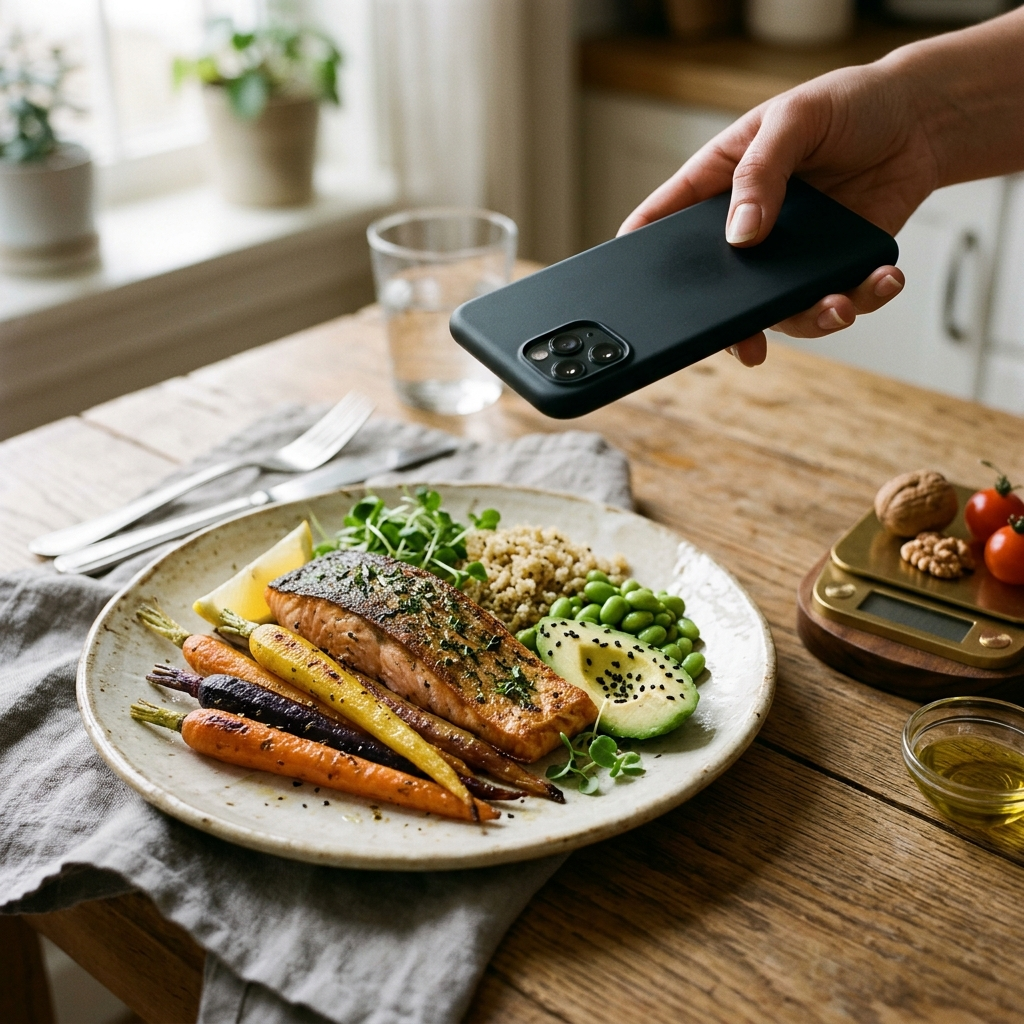
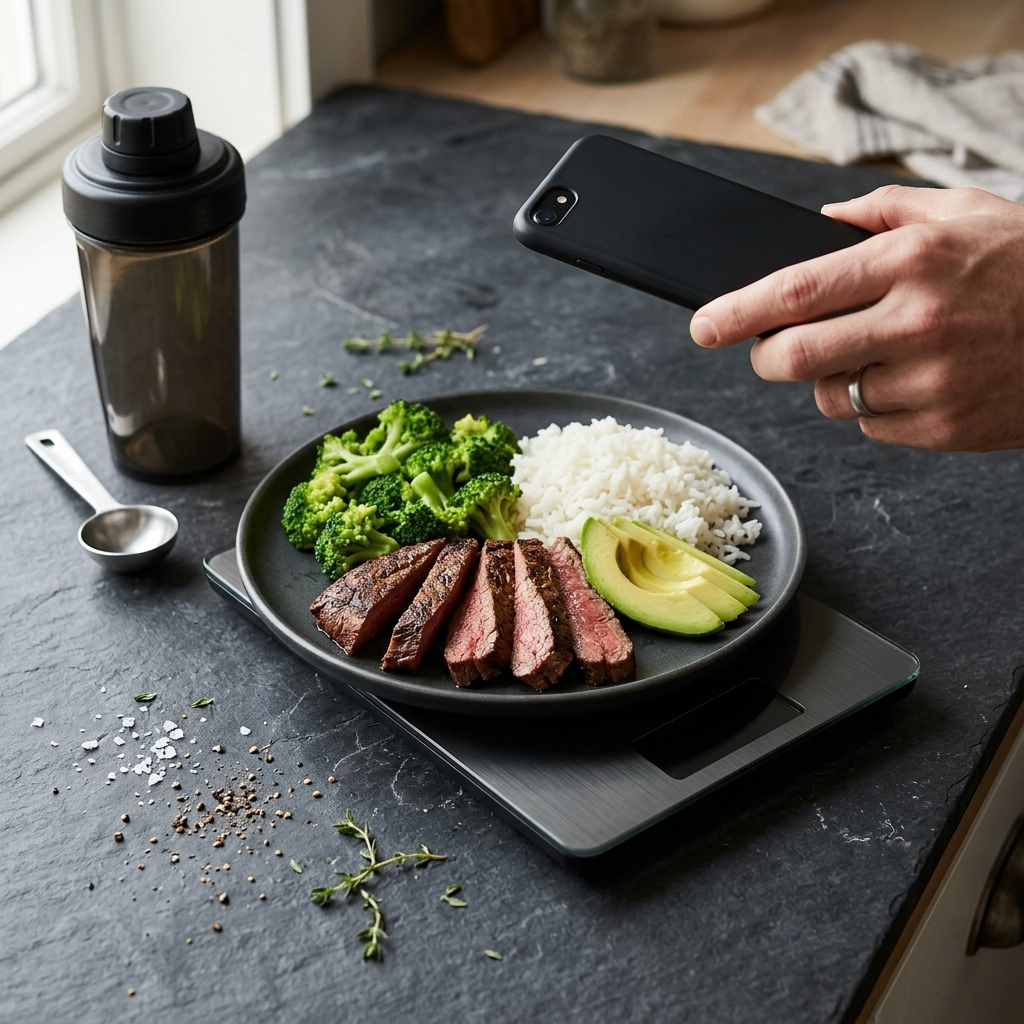
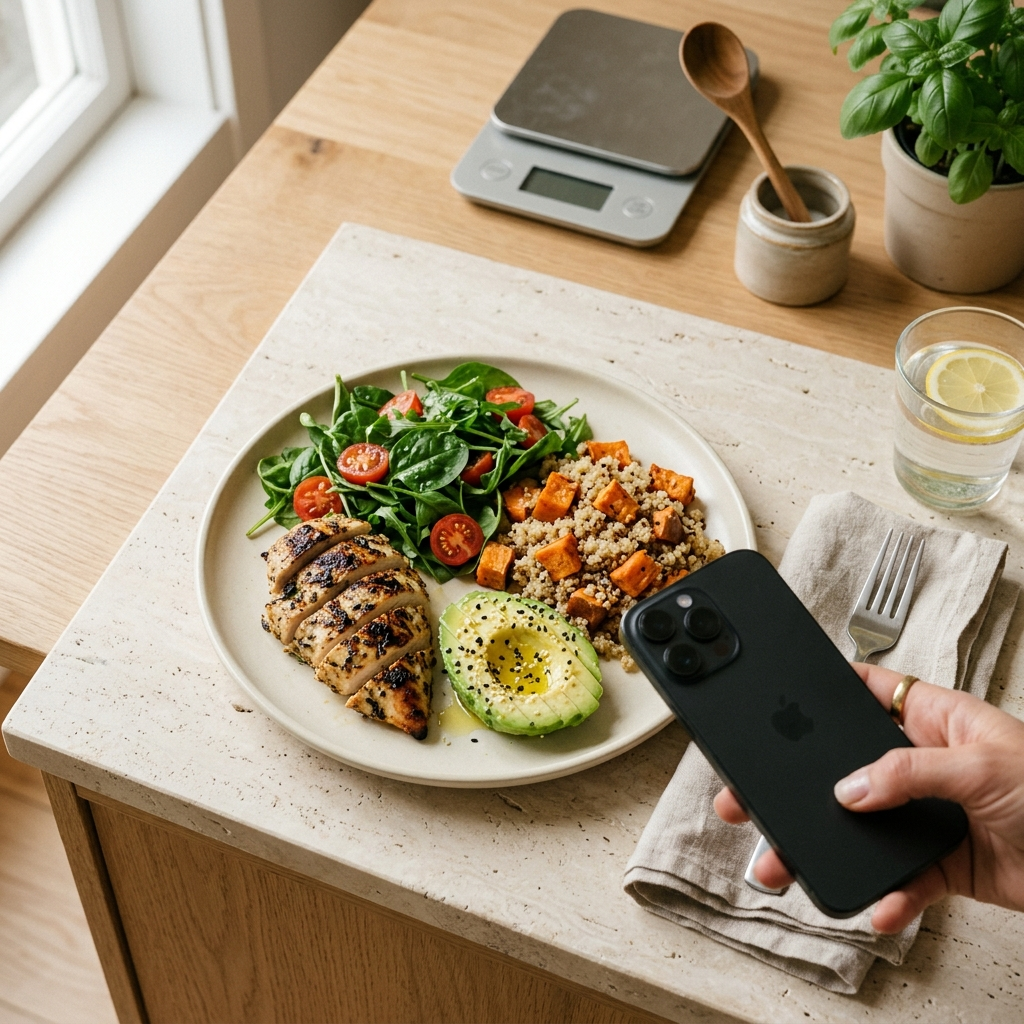
- Efficient meal entry: The app should provide automated photo recognition that identifies plated foods and estimates portion sizes to minimize manual typing.
- Confidence indicators and manual adjustments: Automated analysis should indicate confidence levels and allow users to adjust ingredient quantities or macronutrient estimates directly.
- Real-time daily budgets: Clear dashboards should display remaining allowances for protein, carbohydrates, fats, and total calories as meals are logged throughout the day.
Apps designed around image-based logging, such as Foodly: Calorie & Macro Log, address common entry hurdles. By allowing users to capture a photo of a meal to identify items and estimate nutritional breakdowns, these tools eliminate tedious database searches while preserving full manual control over the logged entries.
Key takeaway: Prioritize applications that combine automated visual capture with straightforward manual overrides to maintain accurate logs efficiently.
Understanding Your Daily Macronutrient Ratio
Macro requirements vary based on factors such as age, body weight, activity level, and specific fitness objectives. Beginners do not need complex formulas to begin tracking effectively.
A practical baseline includes three standard priorities:
- Protein: Distribute protein intake across meals to support satiety and lean muscle maintenance.
- Fats: Include moderate portions of dietary fats to assist with nutrient absorption and general health.
- Carbohydrates: Align carbohydrate portions with daily physical activity and energy needs.
Guided onboarding features simplify this setup. By entering basic profile details during account creation, users receive structured calorie and macronutrient targets tailored to their goals, avoiding initial guesswork.
Key takeaway: Base macronutrient targets on individual health objectives and lifestyle demands rather than rigid dietary regimens.
How to Use Weekly Analytics to Form Lasting Habits
Daily intake naturally varies with meal schedules, hydration, and social commitments. Focusing solely on a single 24-hour period can lead to unnecessary frustration.
Analytics dashboards that track weekly trends offer a clearer perspective on overall nutrition habits:
- Identifying specific days when protein intake falls short of daily targets.
- Noticing meals that consistently contribute higher proportions of dietary fat.
- Assessing average weekly calorie intake against primary wellness milestones.
Reviewing macro patterns over seven-day intervals enables measured adjustments to grocery planning and meal preparation without overreacting to isolated off-target days.
Key takeaway: Rely on weekly trend data rather than single-day fluctuations to gauge nutritional adherence.
Step-by-Step Setup Checklist for Beginners
Follow these steps to establish an efficient daily tracking routine:
- Complete initial setup: Enter your age, current weight, and primary goal during onboarding to generate appropriate baseline targets.
- Capture meals promptly: Photograph meals or record items at dining time to prevent missed entries and reliance on memory.
- Verify portions: Review automated estimates, confirm that identified foods reflect your plate, and adjust quantities where necessary.
- Check remaining budgets: Consult the dashboard before your final meal to identify which macronutrients are needed to meet the day's goals.
- Review weekly reports: Check trend charts weekly to assess overall compliance and guide meal planning for the coming days.
Key takeaway: A consistent routine of brief, timely updates keeps nutritional data accurate without disrupting your schedule.
Conclusion: Choosing the Right Tool for Long-Term Progress
Accurate macro tracking does not require manual spreadsheets or labor-intensive calculations. Tools such as Foodly: Calorie & Macro Log integrate photo-based food identification, flexible editing, and clear dashboard analytics to help beginners monitor protein, fat, and carbohydrate intake systematically.
Focus on establishing consistent logging habits before pursuing exact precision. By setting clear targets and recording meals regularly, structured nutritional tracking becomes an accessible part of daily life in 2026.
Frequently Asked Questions
Macronutrients are protein, carbohydrates, and fats, which supply the body's energy. Tracking them provides insight into dietary balance, muscle maintenance, and satiety beyond standard calorie counting.
Photo logging uses visual recognition to detect plated foods and estimate portion sizes directly, which is especially useful for home-cooked meals. Barcode scanning requires packaged goods with printed labels.
Yes. As body weight, activity levels, or health objectives change, users can update profile inputs to recalibrate daily calorie and macronutrient allocations.