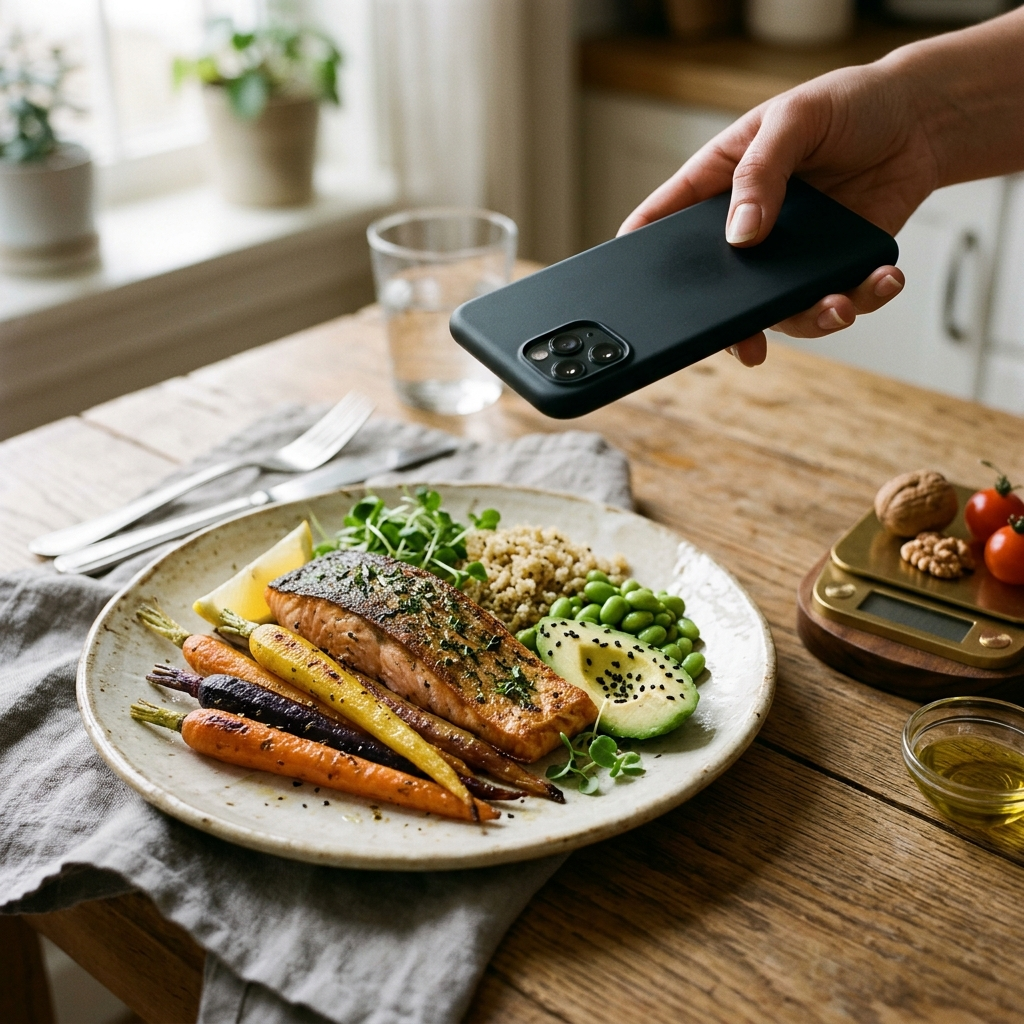
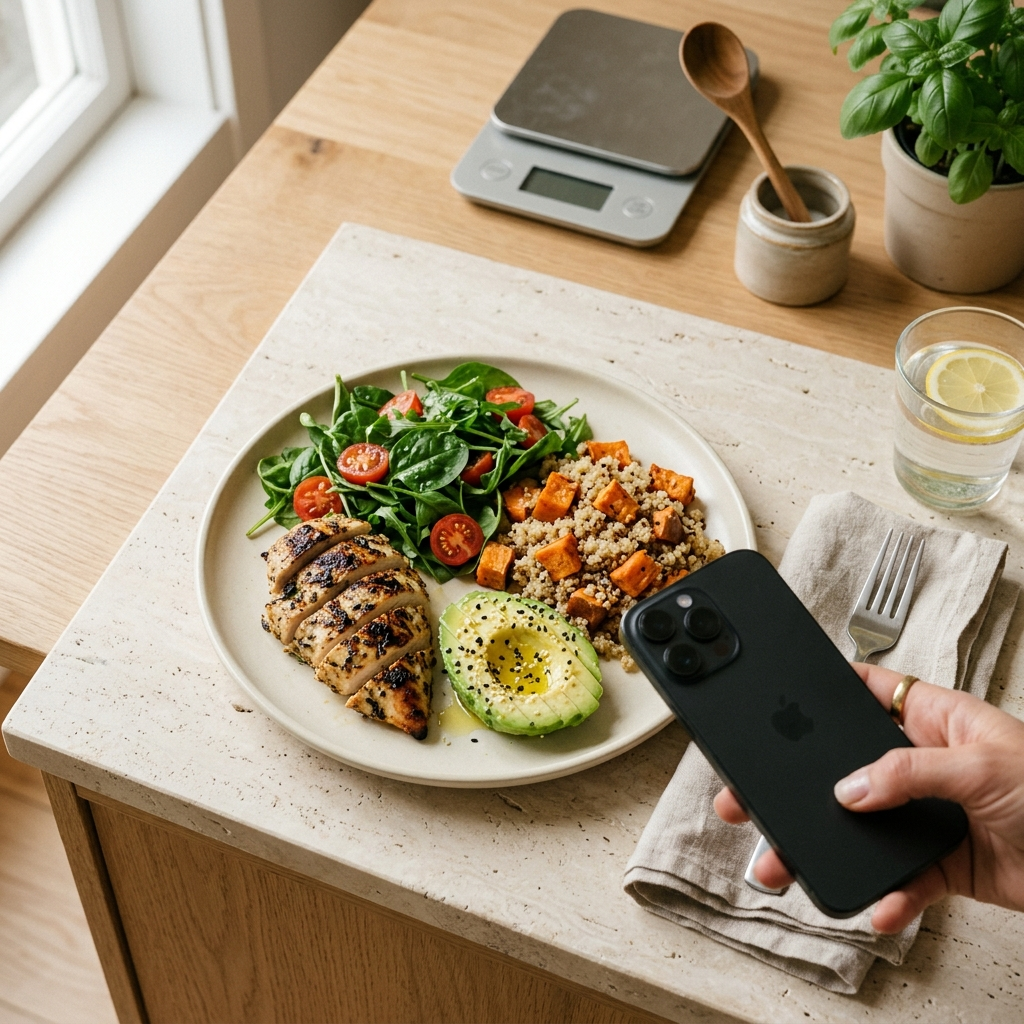
Best Yazio Alternatives for Automatic Photo Meal Logging
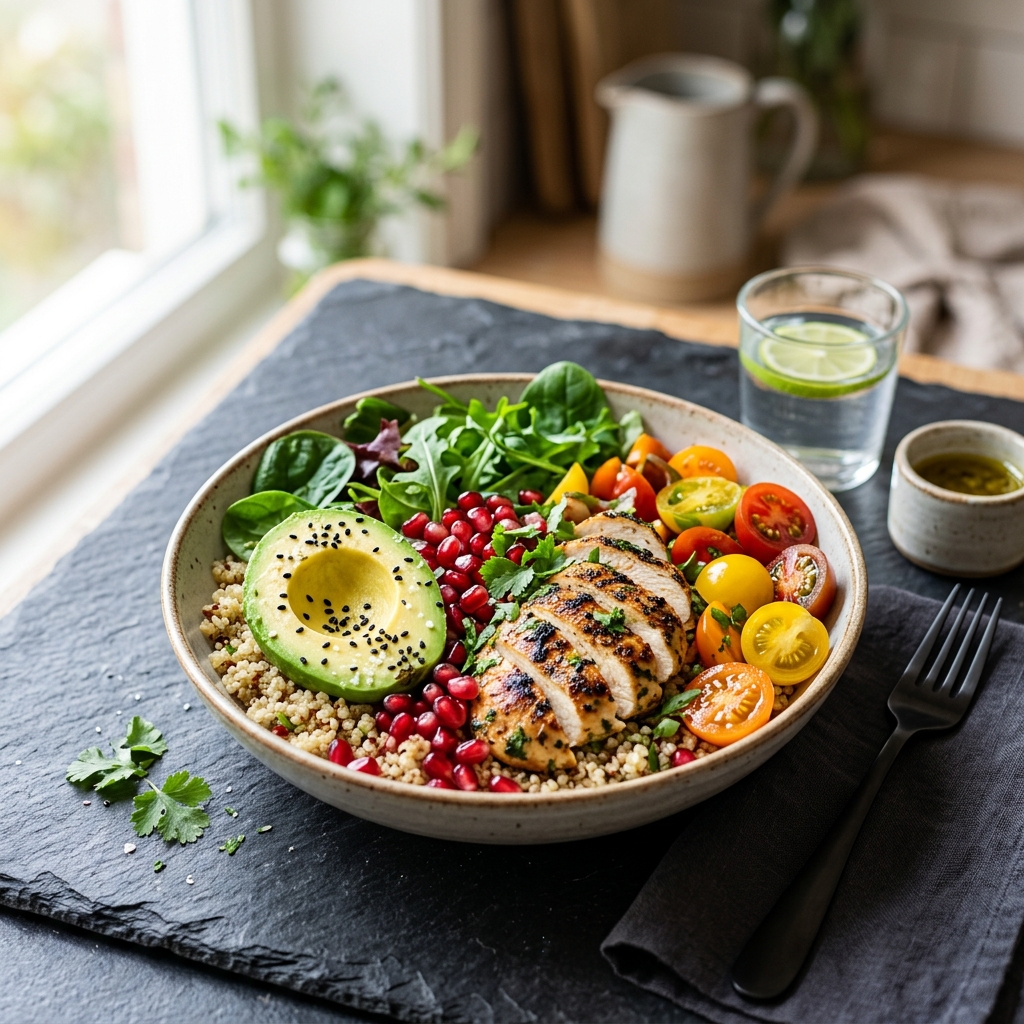
The most effective alternatives to Yazio for automated photo meal logging combine multi-item visual segmentation with volumetric depth estimation. While Yazio remains popular for conventional calorie tracking, applications engineered around dedicated computer vision deliver faster logging and require fewer corrections on complex, multi-ingredient meals. Choosing an alternative requires assessing how effectively its engine identifies hidden ingredients, estimates portion sizes, and reconciles entries with verified nutrition databases.
The Friction of Manual Entry and the Limits of Conventional Trackers
Dietary tracking consistently falters because of interface friction. Traditional workflows require manual database searches, barcode scans, and digital scale measurements for every item on a plate. This approach functions well for packaged goods, but it deteriorates when applied to home-cooked meals or restaurant dining.
Although Yazio simplified parts of this process through recipe imports and lifestyle metrics, its photo-recognition feature still demands significant post-capture correction. When users must audit and correct every ingredient line by line, image recognition functions primarily as a visual placeholder rather than an automated tool. A practical alternative must advance beyond label classification to accurately evaluate portion volume and preparation methods.
Key takeaway: The utility of photo logging depends entirely on post-capture correction time; if manual adjustments take longer than direct search, visual logging yields no productivity gain.
Architectural Requirements for Accurate Computer Vision Logging
Accurate visual tracking depends on three sequential computational steps. An underlying model cannot merely classify broad categories like "pasta"; it must isolate distinct textures and infer spatial scale.
- Instance Segmentation: Isolates individual meal components—such as separating grilled chicken breast, roasted asparagus, and wild rice into discrete coordinate masks on a single plate.
- Volumetric and Density Inference: Compensates for flat 2D perspective by calculating cubic volume against known dishware dimensions or contextual table references.
- Database Mapping: Links segmented components to verified reference databases rather than uncurated, user-submitted entries prone to error compounding.
Without calibrated depth models, visual trackers systematically underestimate calorically dense, low-volume additions such as cooking oils and dressings. Robust alternatives mitigate this by prompting for preparation methods rather than assuming baseline values.
Key takeaway: Automation requires boundary segmentation and spatial reference modeling, not top-down category classification.
Evaluating the Leading Alternatives to Yazio
Several platforms specialize in automated image recognition, each applying different engineering trade-offs to dietary tracking.
SnapCalorie
SnapCalorie uses depth-mapping algorithms designed to overcome 2D smartphone camera constraints. Rather than relying solely on user intervention, it benchmarks food volume against standard utensil dimensions. The application handles composite meals effectively, though its interface is strictly utilitarian compared to community-oriented competitors.
Passio Nutrition-AI Implementations
Applications integrating Passio's software development kit run recognition models directly on-device. This local edge computing minimizes latency by removing round-trip server requests for basic food classifications. However, cloud processing remains necessary to map regional items to granular nutrient databases.
MyFitnessPal and Cronometer Visual Features
Both platforms have added visual search tools to their legacy architectures. While their verified databases offer extensive micronutrient coverage, their photo tools serve primarily as heuristic search filters rather than automated tracking engines. They suggest potential food matches but still require users to assess and enter portion sizes manually.
Key takeaway: Select dedicated image-first engines for faster logging, or legacy database platforms when micronutrient precision is the governing priority.
A Framework for Auditing Logging Accuracy
To evaluate whether an alternative suits your routine, conduct a five-day comparative audit using standard meals:
- Record a Baseline: Weigh and record all ingredients for three standard meals (for example: an oatmeal bowl with seeds, a layered sandwich, and a composite stir-fry).
- Capture Parallel Photos: Photograph each meal under identical lighting using both the candidate application and your current tool.
- Document Discrepancies: Log differences in total calories, protein, and carbohydrates before making manual edits.
- Quantify Correction Time: Record the exact time spent correcting items, adjusting serving units, or adding missed components.
- Assess Meal Complexity: Evaluate application performance on restaurant dishes featuring opaque sauces, batters, and mixed ingredients.
Tools that maintain within a 15 percent margin of error on whole foods while reducing logging time to under 20 seconds per meal represent an operational improvement over manual logging.
Key takeaway: Structured, empirical testing across consistent meal types is the only reliable way to evaluate machine-vision accuracy against your specific dietary pattern.
Managing Inherent Limitations in Visual Nutrition Tracking
Computer vision faces unavoidable physical limitations with food preparation. Cooking oils, butter, sweeteners, and emulsified fats become invisible to optical sensors once incorporated into dishes. A sautéed fillet can appear identical whether cooked with 5 grams or 25 grams of oil.
To protect logging accuracy while utilizing automated tools, apply these best practices:
- Photograph meals before applying opaque sauces or dressings when practical.
- Configure standard baseline presets for added cooking oils within your chosen tracker.
- Photograph plates at a 45-degree angle rather than directly overhead to capture depth and vertical elevation profiles.
Key takeaway: Methodological user consistency compensates for the inherent gap between optical surface scans and chemical macronutrient composition.
Conclusion
Replacing manual tracking requires software that treats computer vision as a foundational measurement system rather than a secondary feature. While legacy database tools provide deep analytical utility, contemporary image-first applications deliver significant time savings for consistent logging. Platforms like Food Ai highlight this transition, using visual recognition to extract accurate nutritional data from images and eliminating the routine friction of manual entry.