Best Calorie Deficit Apps for Weight Loss Beginners in 2026
Selecting the best calorie deficit app in 2026 depends on database accuracy, logging friction, and behavioral feedback. Beginners achieve the highest adherence rates with platforms that minimize manual entry while maintaining precise macronutrient tracking. Establishing a manageable daily energy deficit remains the foundation of sustainable fat loss.
The Role of Energy Balance in Sustainable Weight Loss
A calorie deficit occurs when daily energy expenditure exceeds total calorie intake. Sustainable weight loss relies on maintaining a moderate deficit of 300 to 500 calories per day, which promotes fat loss while preserving lean muscle mass. Extreme calorie restriction elevates ghrelin levels, causing increased hunger and fatigue.
Digital tracking tools eliminate reliance on subjective estimation, which routinely undercounts daily intake by 20 to 40 percent. By logging every meal, beginners establish an objective baseline of their nutritional habits. Understanding baseline intake allows users to make structured adjustments rather than relying on restrictive elimination diets.
Takeaway: Accurate tracking removes guesswork from weight loss, establishing an objective foundation for consistent progress.
Evaluating Calorie Deficit Apps for Beginners
Not all nutrition apps suit a beginner's needs. Complex interfaces with exhaustive body metrics often cause user burnout within the first month. The ideal platform prioritizes rapid logging workflows, clear visual feedback, and reliable ingredient databases.
Key features to evaluate before choosing a platform include:
- Database Quality: Verified nutrition entries prevent inaccurate calorie reporting caused by unverified user submissions.
- Input Efficiency: Barcode scanning, photo recognition, and voice entry lower daily interaction time.
- TDEE Adjustments: Automatic updates to daily calorie targets as body weight and activity levels change.
- Macronutrient Breakdown: Clear display of protein, carbohydrate, and fat ratios alongside total energy intake.
Takeaway: Prioritize apps with verified databases and minimal logging friction to build consistency without fatigue.
Top Calorie Deficit App Categories in 2026
The digital health landscape in 2026 offers distinct categories tailored to user preferences and tracking styles. Understanding these categories helps beginners select software aligned with their daily routines.
1. Traditional Database Platforms
Legacy tracking tools rely on extensive food libraries and manual entries. While comprehensive, these platforms require users to weigh ingredients and search item lists manually. They suit users who prepare structured recipes at home and prefer granular control over every ingredient.
2. Automated and AI-Powered Trackers
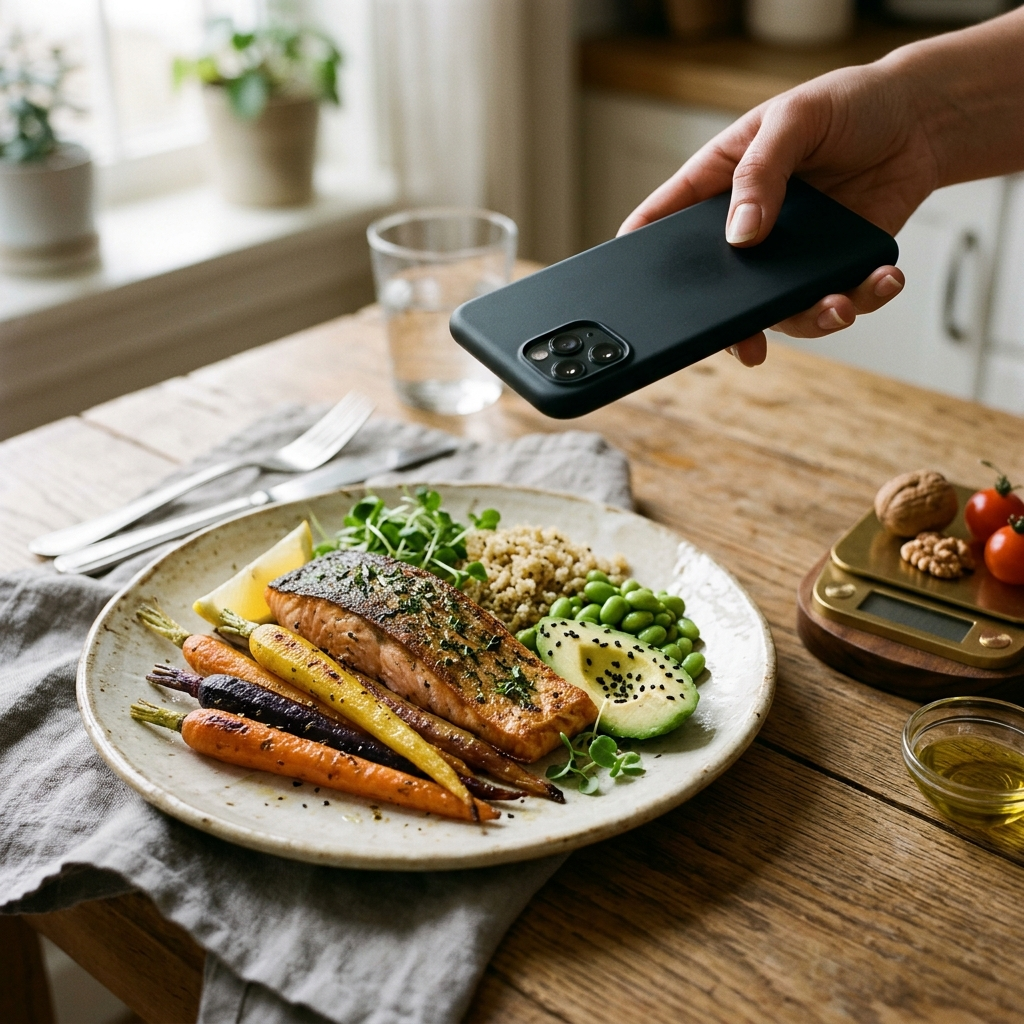
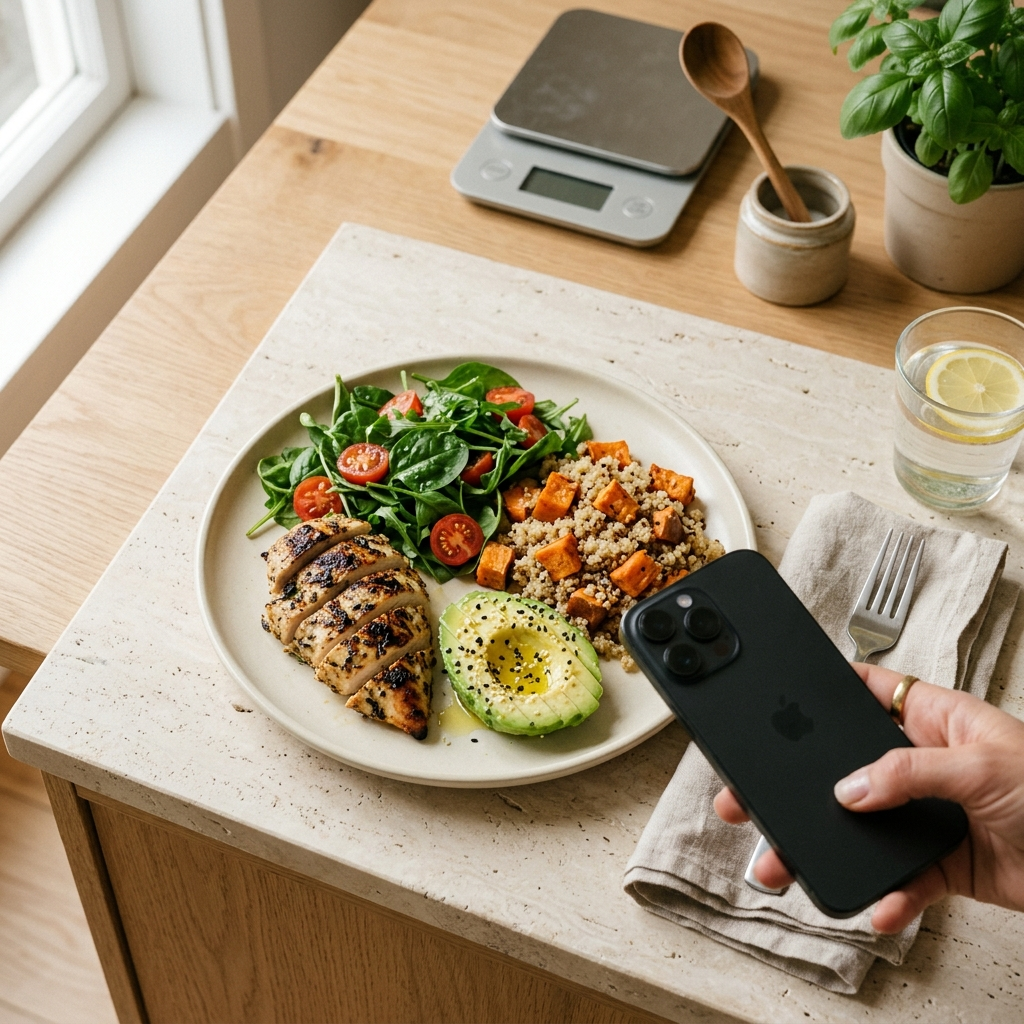
Modern applications leverage computer vision and natural language processing to identify meal components instantly. These platforms analyze food photos or text descriptions to calculate caloric values in seconds, significantly reducing the time required for daily entry.
3. Behavioral Coaching Applications
Behavioral applications combine calorie logging with psychological insights and habit lessons. Rather than focusing solely on numbers, they address emotional eating and hunger cues. These tools work well for individuals who have struggled with long-term diet adherence.
Takeaway: Choose automated tools for speed, traditional platforms for granular control, or behavioral tools for habit restructuring.
Essential Steps for Beginner Calorie Tracking Success
Adopting a new tracking routine requires structured onboarding to prevent common errors. Following a methodical approach ensures reliable data collection from day one.
- Calculate Total Daily Energy Expenditure (TDEE): Input accurate age, height, weight, and activity level to determine baseline maintenance calories.
- Set a Realistic Target: Subtract 300 to 500 calories from your TDEE to establish a safe daily target.
- Log Consistently for Seven Days: Track every item consumed without altering normal habits to establish an accurate baseline.
- Use a Digital Food Scale: Weigh high-density items like oils, nuts, and meats to ensure logged portions match actual intake.
- Review Weekly Trends: Evaluate progress using seven-day average body weight rather than daily fluctuations.
Takeaway: Systematic preparation and consistent portion measurement ensure predictable weight loss outcomes.
Common Pitfalls in Digital Calorie Counting
Beginners frequently encounter friction points that compromise tracking accuracy. Cooking fats, sauces, and liquid calories represent the most frequent sources of uncounted energy intake. A single tablespoon of olive oil adds approximately 120 calories, which can significantly narrow an intended deficit if unlogged.
Another common mistake is adding back estimated exercise calories burned. Most fitness wearables overestimate active energy expenditure by up to 30 percent. Consuming extra calories based on wearable output often offsets the daily energy deficit completely. Keep exercise logging separate from dietary targets to maintain an effective buffer.
Takeaway: Log cooking fats, ignore unverified exercise calorie bonuses, and rely on weekly weight averages to measure progress.
Conclusion
Choosing the right calorie deficit platform allows beginners to convert dietary goals into predictable daily actions. By emphasizing database accuracy and low-friction logging, users can focus on building sustainable nutrition habits rather than spending excessive time on manual data entry. For those seeking a streamlined computer vision experience, tools like Food Ai demonstrate how modern artificial intelligence makes meal logging effortless and precise.
Frequently Asked Questions
A safe and sustainable calorie deficit for beginners is between 300 and 500 calories below total daily energy expenditure (TDEE). This rate supports steady fat loss of approximately 0.5 to 1 pound per week without causing excessive hunger or fatigue.
Yes. Most free tracking apps rely on standardized, verified food databases such as USDA FoodData Central. Accuracy primarily depends on precise portion measurement rather than the app software itself.
Photo-based logging powered by artificial intelligence estimates ingredients and volume for standard meals. However, users should manually verify portion sizes for calorie-dense items like cooking oils and nuts.
Beginners should focus initially on overall calorie intake and daily protein targets. Tracking all three macronutrients immediately can add unnecessary complexity during the first few weeks of habit formation.