Best AI Food Tracker Apps for iPhone and Android (2026 Comparison)
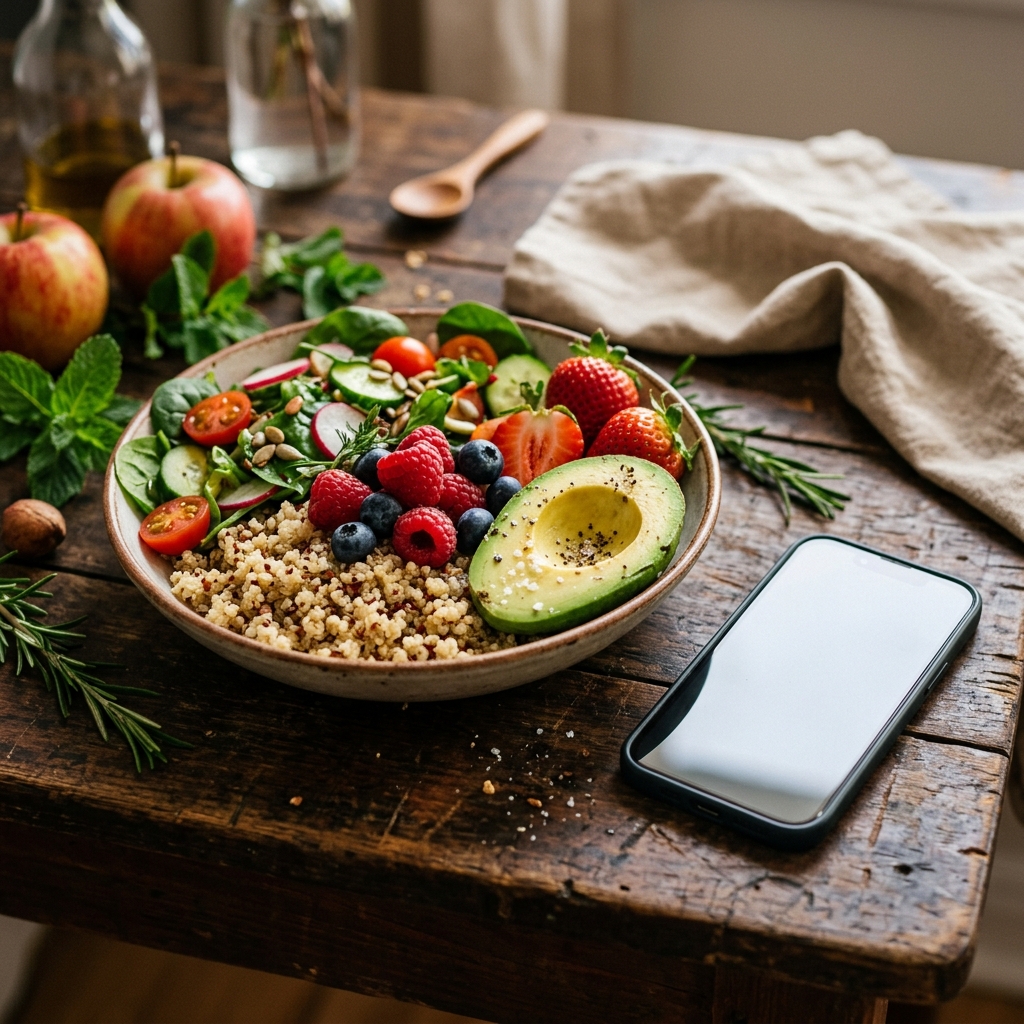
AI food tracking apps in 2026 use computer vision and natural language processing to log meals from photos or voice descriptions, eliminating manual entry. Leading platforms identify portion sizes, micronutrient profiles, and mixed-ingredient dishes with minimal user intervention. Choosing the right application depends on whether you prioritize visual recognition accuracy, macro customization, or seamless ecosystem integration across iOS and Android.
The Shift from Manual Logging to Computer Vision
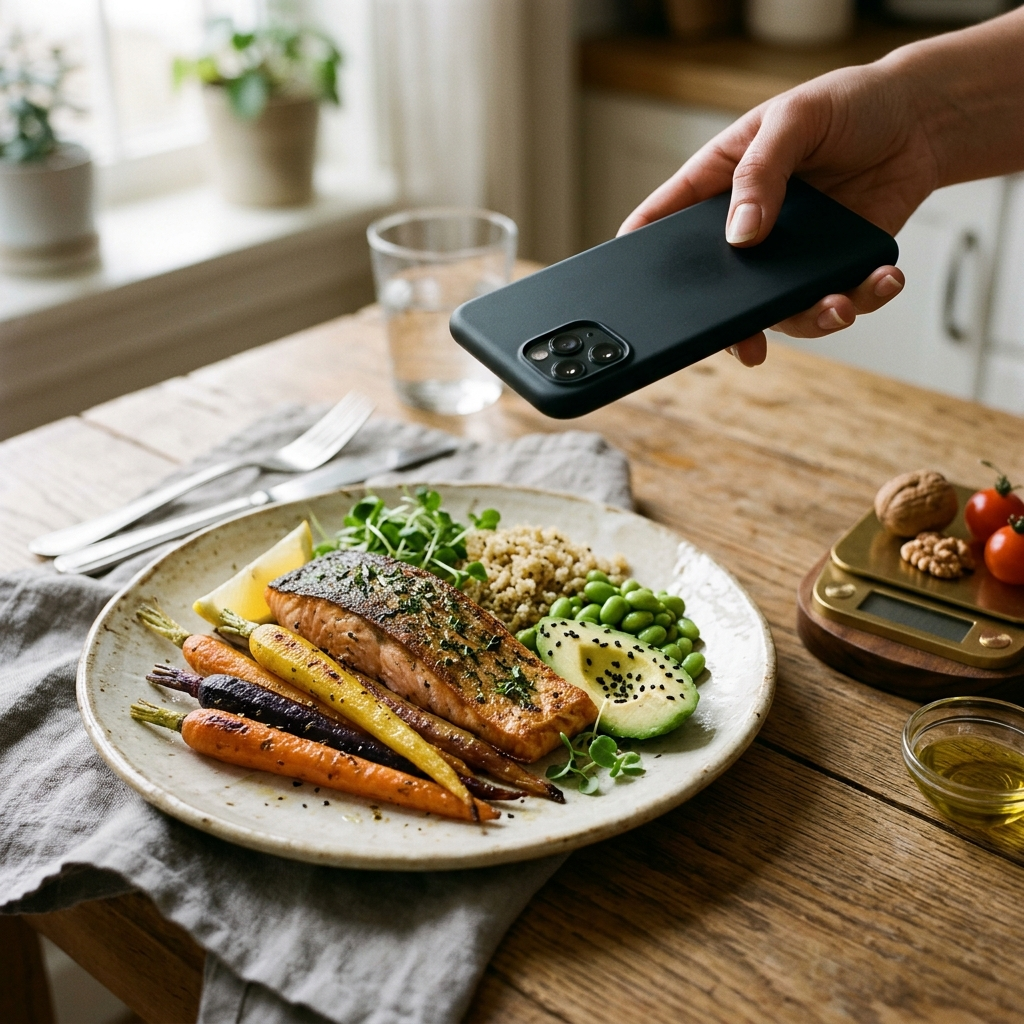
Traditional nutrition tracking required manual searching, weighing ingredients, and logging individual items line by line. This friction causes high drop-off rates among users striving to maintain dietary consistency. Modern food tracking leverages multimodal AI models trained on extensive nutritional databases, reducing meal logging time from minutes to seconds.
By scanning visual depth cues and analyzing plate geometry, top applications estimate ingredient mass and macro splits accurately. This shift allows health professionals and individuals to focus on metabolic outcomes rather than database management.
- Speed: Photo recognition reduces logging overhead by over 80 percent compared to text search.
- Accuracy: Advanced depth-mapping algorithms account for hidden fats and cooking oils more reliably than guesswork.
- Adherence: Frictionless logging directly correlates with long-term tracking consistency.
Key Criteria for Evaluating AI Nutrition Applications
Evaluating AI nutrition software requires looking past basic photo scanning. High-performing apps maintain comprehensive database integrity, sync bi-directionally with wearable hardware, and adapt macro recommendations based on physiological feedback.
1. Visual Recognition and Portion Estimation
An app must distinguish complex mixed meals, such as casseroles or curries, and separate component ingredients. Superior models ask targeted follow-up questions regarding preparation methods, such as whether a protein was grilled or fried, to refine caloric precision.
2. Data Privacy and Platform Synchronization
Health data privacy remains paramount. Reliable platforms comply with strict data protection standards and offer localized on-device processing where possible. Furthermore, robust two-way syncing with Apple Health and Health Connect ensures daily caloric expenditure automatically adjusts based on active burn.
- Look for platforms supporting exportable CSV or PDF records for dietitian reviews.
- Ensure integration with major wearable ecosystems like Apple Watch, Wear OS, and Garmin.
Top AI Food Tracking Applications in 2026
The market has matured into distinct solutions tailored to specific tracking philosophies, ranging from strict macro management to behavioral coaching.
MacroFactor: Best for Algorithmic Macro Optimization
MacroFactor combines visual and text-based logging with an adherence-neutral algorithm. Instead of penalizing unlogged meals or overages, it calculates total daily energy expenditure (TDEE) dynamically based on weight trends and intake data.
Key Takeaway: Ideal for athletes and lifters who require precise expenditure adjustments without emotional feedback loops.
Lose It!: Best for Usability and Meal Scanning Efficiency
Lose It! leads in user-friendly interface design. Its Snap It visual tracking feature identifies primary food items quickly, making it a reliable option for general weight management across iOS and Android.
Key Takeaway: Best for casual trackers who prioritize quick entry and community challenge features over deep metabolic analytics.
MyFitnessPal: Best for Database Breadth and Global Brands
MyFitnessPal relies on an extensive database, enhanced by image-recognition capabilities. While visual scanning continues to improve, its primary strength remains its unmatched database of global packaged foods and restaurant menu items.
Key Takeaway: Essential for frequent travelers and dining out where barcode scanning and branded menu items are necessary.
Implementation Guide: Transitioning to AI Meal Tracking
Adopting an AI-driven workflow requires minor adjustments to how you capture meal data for optimal accuracy.
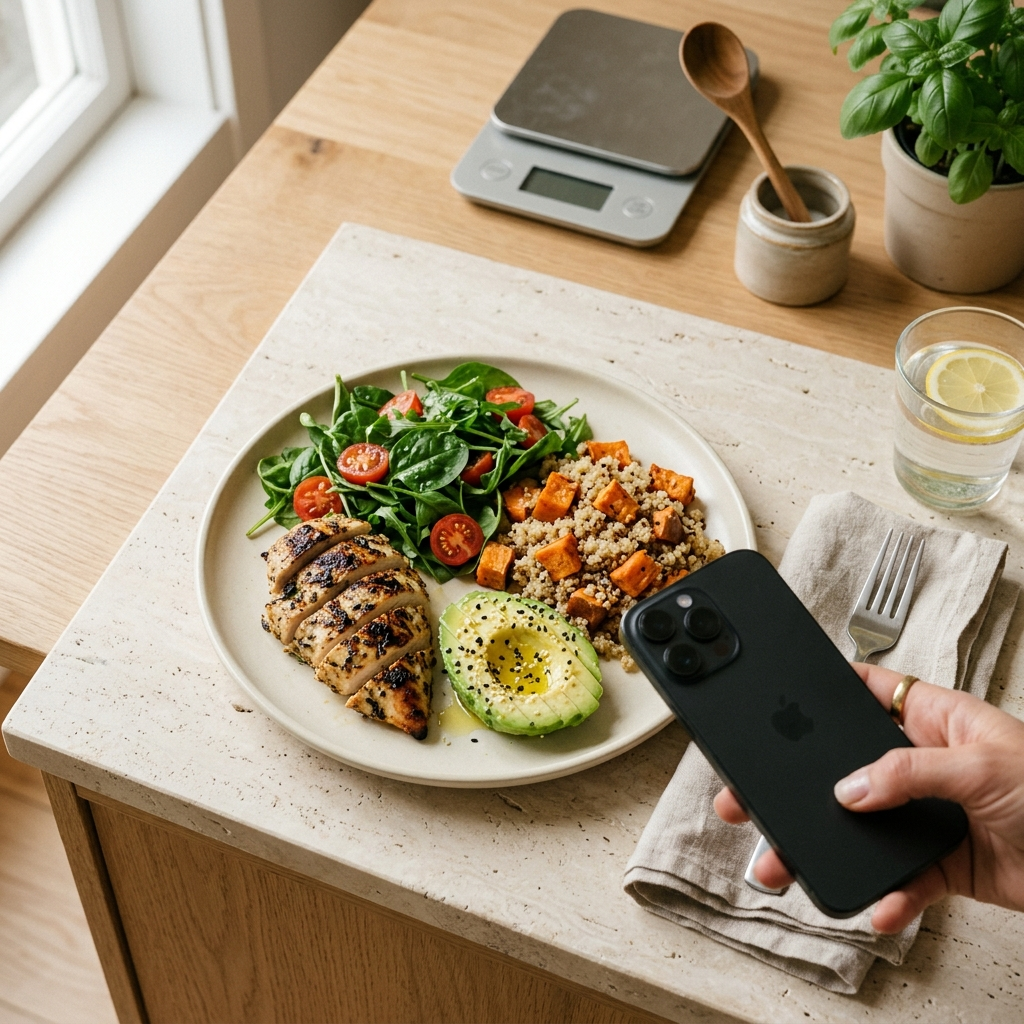
- Capture clear overhead lighting: Position the camera directly above the plate to give the depth algorithm maximum surface area data.
- Specify cooking fats verbally or via text prompt: If a meal contains added butter or oil not visible on the surface, add a quick note like "cooked in 1 tbsp olive oil."
- Audit initial entries: Cross-reference AI portion estimates against scale weights during the first week to calibrate confidence in the app's baseline accuracy.
- Review weekly averages: Focus on seven-day caloric and macronutrient averages rather than daily fluctuations to guide adjustments.
Conclusion
AI food tracking tools have transformed nutrition management by removing manual friction while enhancing logging accuracy across iOS and Android ecosystems. Selecting the best platform depends on your specific goals—whether that means algorithmic TDEE calculations, massive barcode databases, or instant photo recognition. For users seeking a streamlined mobile experience, solutions like Food Ai offer intelligent photo analysis to help achieve daily health targets efficiently.
Frequently Asked Questions
Modern AI food tracking apps achieve high accuracy for whole foods and standard portion sizes. For complex mixed dishes, specifying cooking oils or hidden ingredients via quick text notes ensures optimal precision.
Most AI image processing requires cloud server connectivity for heavy machine learning model inference, though basic database searching and manual entry often work offline.
Yes, major AI nutrition applications maintain feature parity across both iPhone and Android devices, syncing seamlessly with Apple Health and Google Health Connect.