Best Blossom Alternative for Diagnosing Indoor Plants: A Practical Guide
For indoor plant growers seeking an alternative to Blossom, Plant Doctor: Plant Care prioritizes visual diagnosis for pests, diseases, nutrient deficiencies, and environmental stress. Rather than relying solely on generic care reminders, the app pairs plant identification with step-by-step treatment and prevention guidance designed for home gardeners.
The Challenge of Indoor Plant Diagnostics
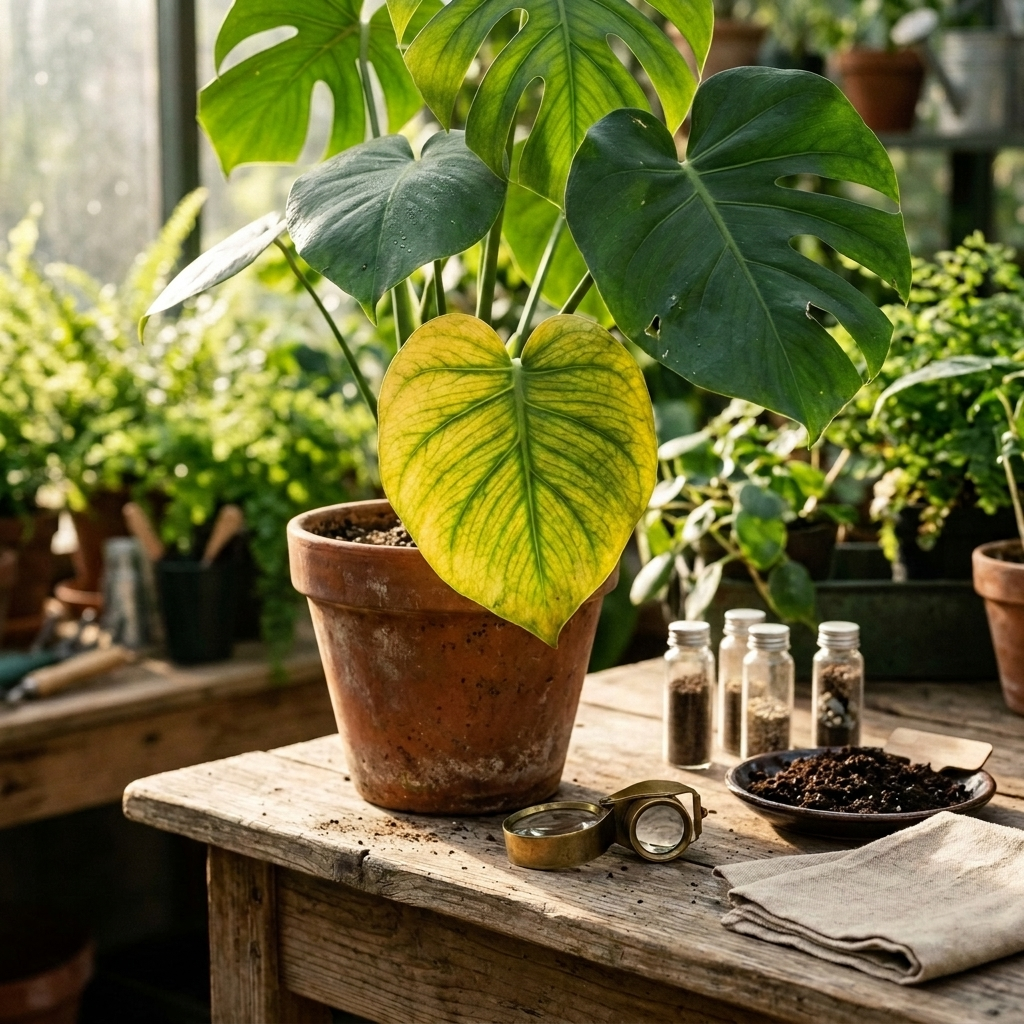
Indoor plants depend entirely on artificial microclimates where minor changes in light, watering, or humidity produce visible distress. Yellowing foliage, leaf drop, and brown margins can appear across different species while signaling opposing causes, such as overwatering versus root desiccation. Many plant apps emphasize fixed calendar schedules rather than immediate symptom evaluation.
When an indoor plant shows distress, gardeners need direct diagnosis rather than generic reminders. Following fixed watering schedules often leads to overwatering, particularly as light levels shift between seasons. Practical plant care requires evaluating foliage conditions directly from visual evidence.
Key takeaway: Effective plant care relies on evaluating visible symptoms as they emerge rather than strictly following preset watering schedules.
Why Plant Doctor: Plant Care Stands Out as an Alternative
Plant Doctor: Plant Care centers plant management on visual diagnostics. Photographing an affected leaf, stem, or whole plant generates an identification alongside an assessment of potential health issues.
The app evaluates four main categories of plant distress:
- Fungal and bacterial diseases: Issues such as powdery mildew, leaf spot, and root rot pathogens.
- Pest infestations: Common indoor pests including spider mites, scale insects, mealybugs, and fungus gnats.
- Nutrient deficiencies: Imbalances in nitrogen, iron, potassium, and micronutrients that alter leaf color or structure.
- Environmental stressors: Stress caused by low humidity, cold drafts, intense direct light, or irregular watering.
Key takeaway: Evaluating both biological pests and environmental factors helps pinpoint the root cause of foliage damage.
Step-by-Step Treatment and Prevention Protocols
A diagnosis requires clear remediation steps to be effective. Plant Doctor provides structured recovery guidelines for home environments, avoiding commercial agriculture terminology.
When an issue is identified, the app details immediate treatment steps alongside preventive measures to reduce recurrence risk. For example, during a suspected pest infestation, the app outlines a sequence such as:
- Isolate the affected plant: Move the plant away from other houseplants to reduce pest spread.
- Clean foliage: Wipe affected leaves with a damp cloth or rinse them gently with water to lower pest numbers.
- Apply targeted treatment: Use suitable household remedies or horticultural controls, such as insecticidal soap or neem oil, according to product directions.
- Adjust environment: Correct underlying conditions, such as dry air, that favor specific indoor pests.
Key takeaway: Sequential treatment plans guide home growers through systematic corrective measures without damaging sensitive plants.
Capturing Accurate Diagnostic Photos
Diagnostic accuracy depends on image quality. Blurry focus, harsh shadows, or distant framing can conceal indicators such as fine webbing, fungal spores, or chlorosis patterns.
Plant Doctor includes in-app photo tips to help users capture clear diagnostic images on the first attempt:
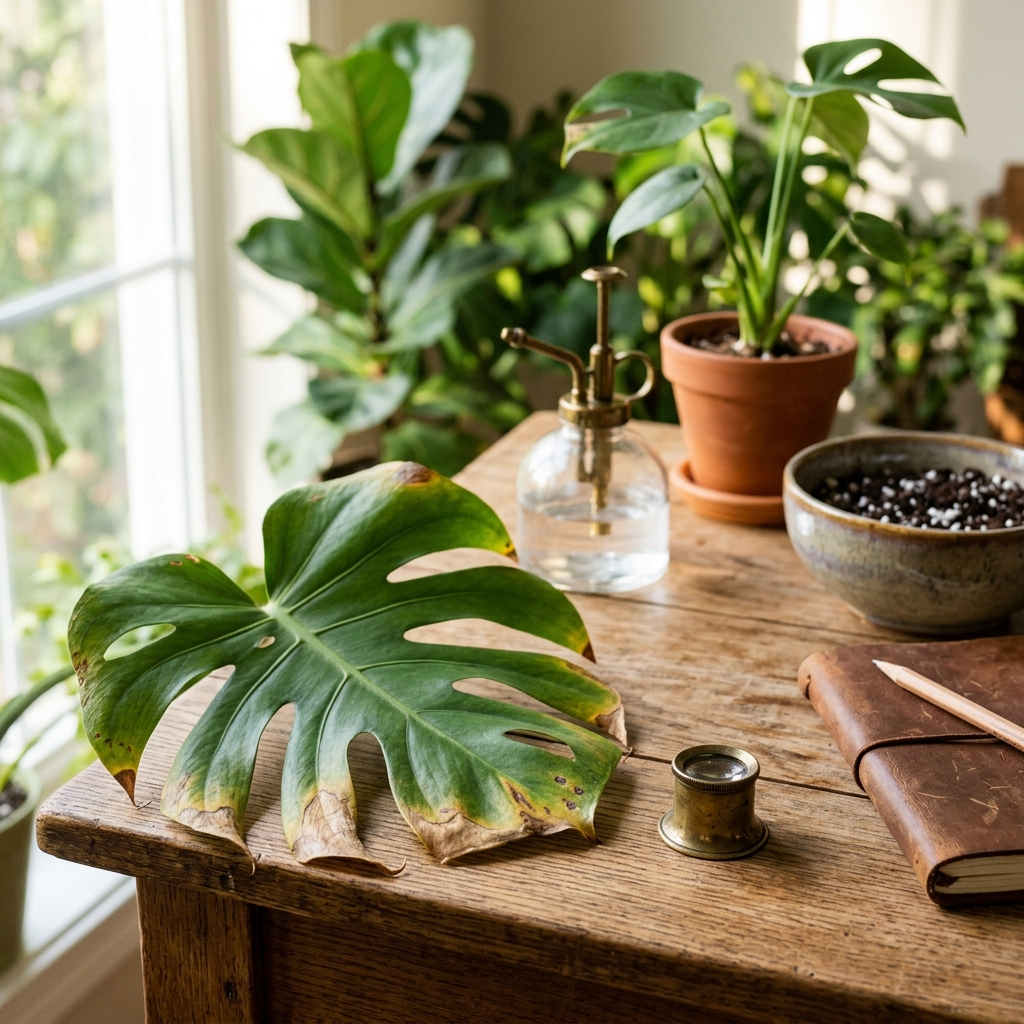
- Focus on transition zones: Center the frame where healthy green tissue meets discolored or damaged margins.
- Inspect leaf undersides: Many common pests, such as spider mites and thrips, congregate beneath leaves.
- Use natural indirect lighting: Camera flash can wash out subtle discoloration, while dim lighting obscures texture.
- Stabilize the camera: Keep the lens steady to maintain sharp focus on leaf veins and margins.
Key takeaway: Clear, well-lit photos focused on the boundary between healthy and damaged tissue yield the most accurate analysis.
Accessibility, Daily Allowances, and PRO Options
Plant owners have different diagnostic needs based on collection size and plant health. Plant Doctor: Plant Care provides casual growers with a daily free diagnosis allowance to evaluate issues without an initial financial commitment.
For owners with large plant collections or ongoing issues across multiple pots, an optional PRO upgrade removes advertisements and provides unlimited diagnoses. In addition, the interface supports 10 languages with full right-to-left (RTL) formatting, accommodating an international audience of indoor gardeners.
Key takeaway: Daily free diagnoses cover routine checks, while an optional PRO tier supports unlimited scans for larger collections.
A Checklist for Assessing Indoor Plant Distress
Before applying treatments, verify environmental conditions alongside your diagnostic scan:
- Test soil moisture below the surface: Check moisture several inches down rather than judging only the dry surface layer.
- Inspect pot drainage: Confirm that saucers or outer cachepots do not retain standing water around the root ball.
- Review recent environmental shifts: Note changes in placement near heating vents, air conditioners, or altered window exposure.
- Check neighboring plants: Determine whether symptoms are isolated to a single plant or spreading to adjacent pots.
Key takeaway: Pairing photo diagnosis with physical soil and drainage checks ensures comprehensive care for distressed plants.
Summary
Shifting from calendar-only reminders to dedicated symptom diagnosis helps growers catch issues before serious foliage loss occurs. Plant Doctor: Plant Care combines visual detection of pests, diseases, and stress factors with step-by-step remediation tailored to home growers. By using clear photo guidance and practical treatment plans, indoor gardeners can address plant distress early and maintain healthy collections.