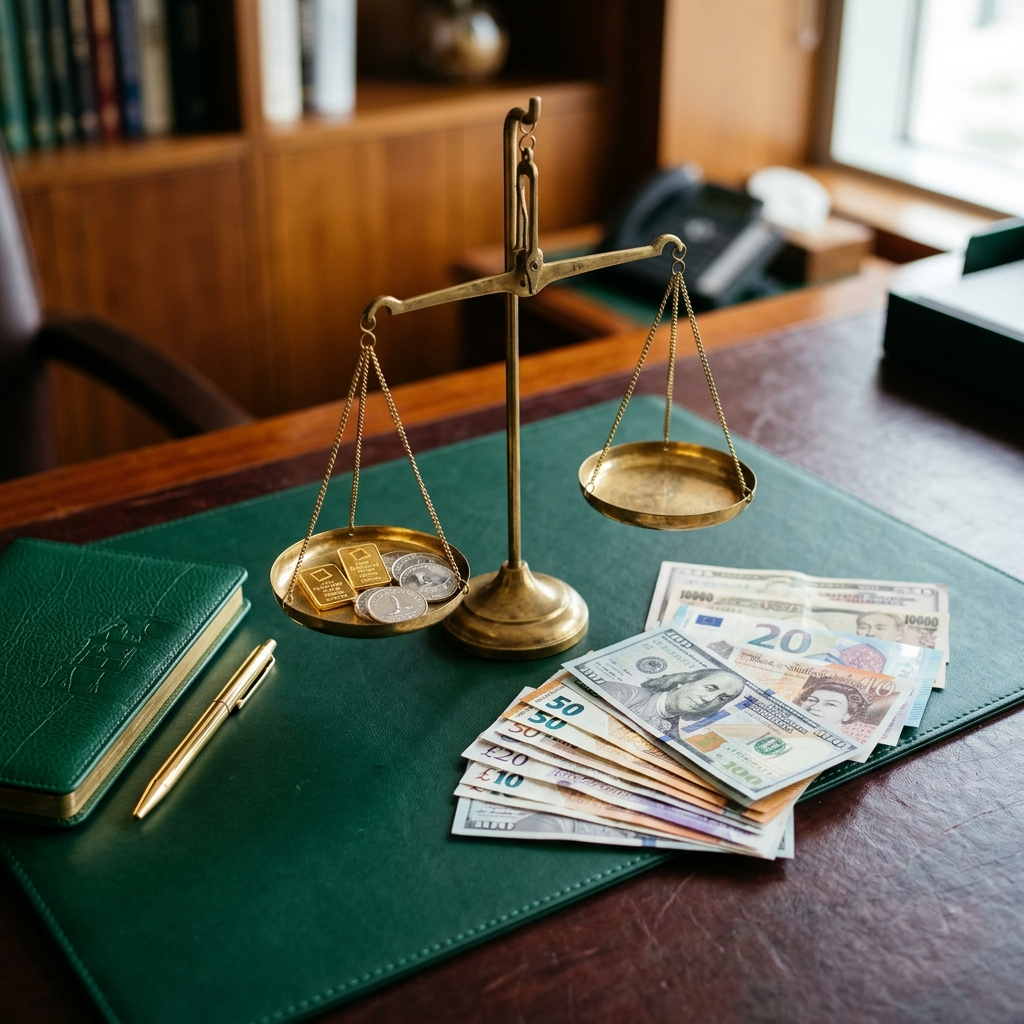
Gold vs Silver Nisab: Which Standard to Use for Zakat in 2026
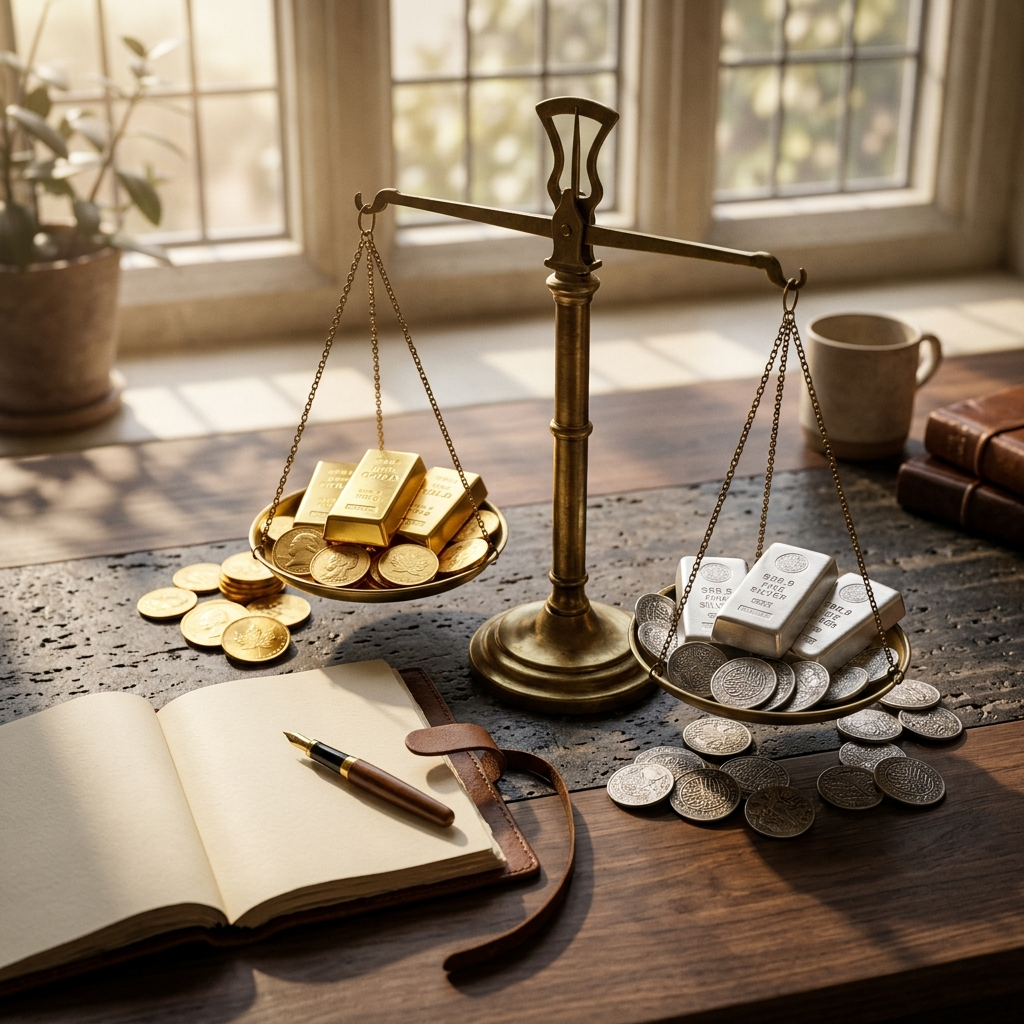
For Muslims calculating Zakat on cash, savings, and liquid wealth in 2026, the silver standard remains the benchmark recommended by the majority of classical scholars and contemporary fiqh councils because it maximizes support for the poor. However, if your holdings consist entirely of physical gold, your threshold is measured against the gold standard alone. Choosing between the two standards requires reviewing your asset mix, consulting applicable scholarly guidance, and using consistent precious metal valuations.
The Core Difference: Classical Weight vs Modern Metal Values
Nisab is the minimum threshold of qualifying wealth a Muslim must hold for one full lunar year (hawl) before Zakat is due at the 2.5% rate. Prophetic tradition defines two distinct commodity weights for this baseline: 20 dinars of gold (approximately 85 grams of pure gold) and 200 dirhams of silver (approximately 595 grams of pure silver). In the early Islamic period, 85 grams of gold bought roughly the same basket of goods as 595 grams of silver, maintaining near parity in purchasing power.
Over centuries, the market gold-to-silver price ratio diverged significantly. Because global financial and industrial markets value gold considerably higher per gram relative to the classical ratio, the currency value of 595 grams of silver is now substantially lower than that of 85 grams of gold. Consequently, your chosen standard directly affects whether your wealth meets the threshold for obligation:
- Gold Nisab (approx. 85g pure gold): Sets a higher monetary threshold, exempting individuals with moderate savings.
- Silver Nisab (approx. 595g pure silver): Sets a lower monetary threshold, establishing liability earlier to extend community support.
When to Use the Silver Standard for 2026 Zakat
Scholars predominantly advise using the silver standard for liquid cash balances, business inventory, tradable investments, and digital assets. The Hanafi school of jurisprudence and several international fiqh councils emphasize that adopting the silver threshold fulfills the core purpose of Zakat (anfa' lil-fuqara) by providing broader relief to eligible recipients.
If your net liquid assets equal or exceed the market value of 595 grams of silver on your Zakat calculation date, your wealth satisfies the entry requirement. Because silver prices fluctuate constantly in commodity markets, tracking this figure requires updated spot rates. Tools like the Zakat Calculator & Nisab app help streamline this step by applying current silver prices and converting values into your chosen base currency.
When the Gold Standard Applies
The gold threshold applies directly when your qualifying wealth is held entirely in physical gold, such as bullion, investment coins, or qualifying jewelry beyond personal use (depending on your madhhab). If you hold no cash or non-gold assets, you evaluate your gold directly by weight rather than converting it against the silver monetary limit.
Some contemporary scholars also suggest the gold standard for cash holdings in areas experiencing high living costs, reasoning that the silver threshold has fallen low enough in fiat terms to include individuals facing financial strain. While recognized, this remains a secondary view compared to the widespread adoption of silver for liquid assets.
Managing Fluctuations and Foreign Currencies
Precious metal spot rates shift daily across global exchanges. When tracking Zakat across multiple currencies, personal accounts, and investments, conversion discrepancies can quickly complicate your totals without a consistent baseline.
The Zakat Calculator & Nisab app addresses these challenges by anchoring your entries to a single base currency using foreign exchange rates and gold and silver prices. With offline-first local saving, your records remain accessible on your device without requiring continuous internet access.
- Set your base currency: Choose the primary fiat currency in which you manage household expenses and primary accounts.
- Check both thresholds: Review the current currency values for 85 grams of gold and 595 grams of silver.
- Categorize assets: Assess physical gold against the gold limit, and pool cash, receivables, and trade inventory under the silver standard.
- Track the hawl: Use reminders and notifications to review your totals at the completion of your lunar cycle.
Step-by-Step Decision Framework for 2026
To calculate your obligation for the year, use this step-by-step process:
- Inventory liquid assets: Sum checking and savings balances, cash reserves, foreign currency holdings, business goods for sale, and tradable investments.
- Subtract short-term liabilities: Deduct immediate living debts, overdue utility bills, and commercial payments due immediately.
- Apply the silver standard benchmark: Compare your net balance against the current price of 595 grams of pure silver in your base currency.
- Evaluate standalone gold: If you hold physical investment gold separate from cash, compare its weight directly against the 85-gram threshold.
- Record and retain notes: Use local saving to keep notes and calculation records for future comparison.
Conclusion
Selecting between the gold and silver nisab depends on the composition of your assets and your scholarly guidance. For physical gold holdings, the 85-gram gold standard is the direct benchmark. For cash, foreign balances, and diverse investments, the 595-gram silver standard is the most widely adopted measure to support those in need. The Zakat Calculator & Nisab app keeps your currency conversions, metal tracking, and annual reminders organized in one offline-first tool. Because calculations are estimates, consult a qualified scholar regarding complex portfolios or specific exemptions.
Frequently Asked Questions
For cash savings, investments, and commercial inventory, most scholars recommend using the silver nisab (the value of 595 grams of pure silver). This lower threshold ensures greater support reaches eligible Zakat recipients.
The classical threshold for gold is 20 dinars, which corresponds to approximately 85 grams of pure gold. The threshold for silver is 200 dirhams, which equals approximately 595 grams of pure silver.
According to standard scholarly consensus, your wealth must meet or exceed the nisab threshold at both the beginning and the end of your lunar year (hawl), without reaching zero in the intervening period.
Yes. When you hold multiple asset types such as cash, foreign currency, and trade goods alongside precious metals, their total monetary value is pooled and generally measured against the silver nisab threshold.