Speaker Cleaner vs Water Eject: Which Cleans Phone Speakers Better?
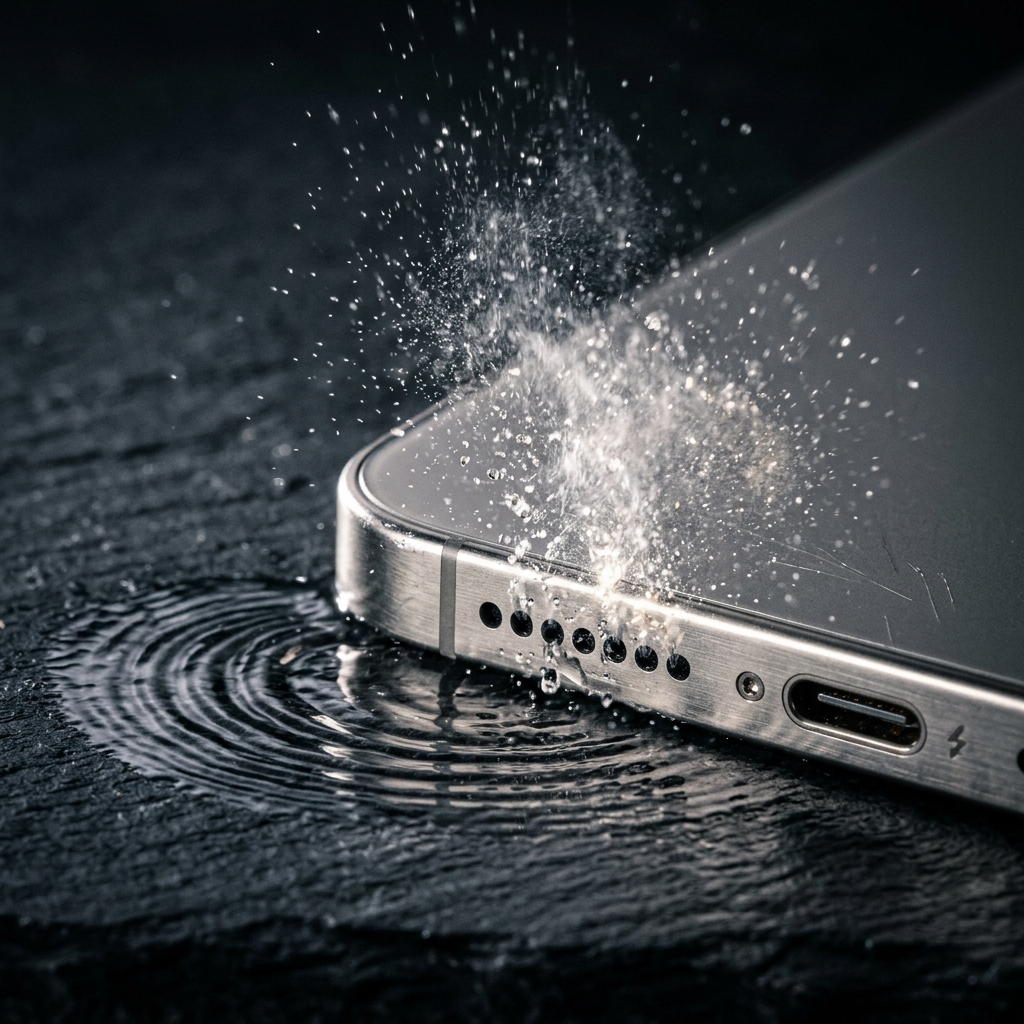
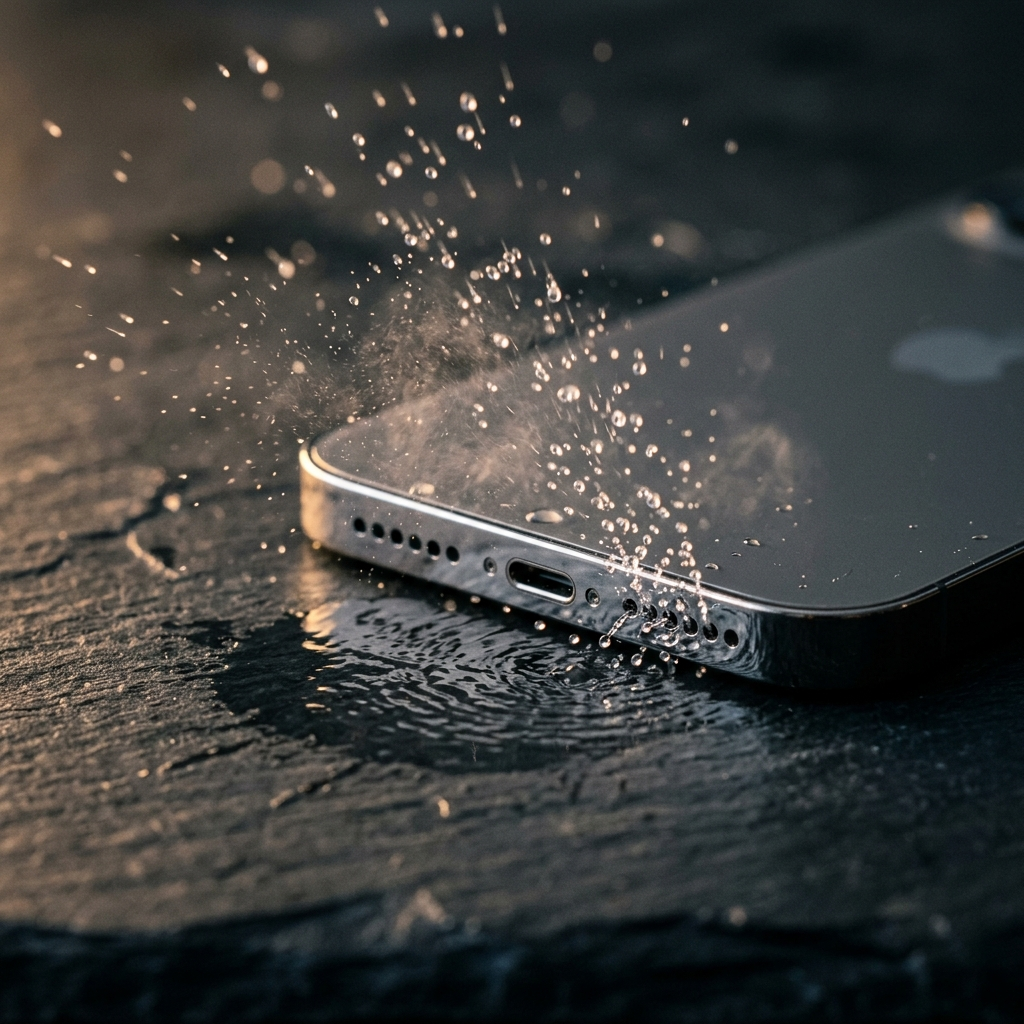
Deciding between a general speaker cleaner and a dedicated water ejection tone depends on whether the blockage is trapped liquid or dry particulate buildup. Low-frequency acoustic waves around 165 Hz generate physical vibration to push moisture droplets out through the speaker grille. Broader acoustic sweeps can help loosen dry dust and lint, though physical debris often requires gentle surface cleaning as well. For smartphones exposed to liquid, focused water ejection tones provide the mechanical movement needed to clear the speaker cavity without dismantling the hardware.
The Acoustic Challenge: Moisture Versus Dry Debris
Smartphone speaker ports rely on fine mesh barriers to shield internal voice coils and magnets from water and debris. When water enters, surface tension causes droplets to cling to the micro-perforations, muffling output and distorting audio playback. Dry dust and lint settle on the exterior grille over time, eventually restricting airflow.
Because liquid and dry matter behave differently, each requires a different removal method. Using compressed air or brushes on trapped water often forces moisture deeper toward internal circuitry. In contrast, low-frequency sound creates rapid air displacement that pushes fluid outward through the grille.
Key takeaway: Liquid blockages require acoustic kinetic energy to break surface tension, while dry buildup primarily requires gentle surface loosening and removal.
How Sound-Based Water Ejection Operates
Sound waves travel through alternating compression and rarefaction of air. Dedicated water ejection utilities use low-frequency sound waves, typically near 165 Hz, to maximize diaphragm movement within the micro-speaker assembly without overdriving the component.
At approximately 165 Hz, the speaker diaphragm generates rapid, high-amplitude vibrations that transfer kinetic energy to trapped fluid. This repetitive force breaks the adhesive bond between water droplets and the speaker mesh. As pressure builds within the speaker cavity, the moisture is pushed out through the exterior grille openings.
- Low-frequency resonance: Tones around 165 Hz maximize physical cone movement within safe operating limits.
- Pressure pulses: Rapid pressure changes dislodge water droplets held by surface tension and capillary action.
- Moisture expulsion: Ejecting fluid quickly helps prevent minerals and moisture from settling against internal driver components.
Key takeaway: Low-frequency tones convert audio signals into mechanical air displacement, driving trapped moisture out of the speaker enclosure.
General Speaker Cleaners: Addressing Dust and Particulate Buildup
General speaker cleaning typically targets dry debris such as lint, dust, and particulate matter. Unlike liquid, which acts as a cohesive mass held by surface tension, dry buildup consists of individual particles adhering through friction, static, or residue.
Acoustic routines designed for general cleaning often sweep across varying frequency ranges. While sound vibration can shake loose dry dust particles resting on the mesh, audio alone rarely removes heavily compacted lint. In these cases, acoustic vibration serves primarily to loosen debris before light external brushing.
- Frequency variation: Sweeps shift across different tones to agitate particles of varying sizes.
- Limitations on solids: Acoustic vibrations cannot dissolve adhesive residue, oils, or tightly wedged lint.
- Component safety: Sound-based clearing avoids the risk of puncturing the acoustic mesh associated with sharp tools.
Key takeaway: Acoustic sweeps help loosen dry particles, but heavily compacted buildup generally requires careful surface brushing alongside vibration.
Direct Comparison: Efficacy, Risk, and Application
Choosing between a water ejection tone and a general cleaning sweep depends on what is obstructing the speaker. Dedicated low-frequency water ejection is designed for immediate post-exposure recovery, producing focused, repetitive kinetic force. General cleaner profiles cycle across broader frequencies to help loosen superficial dust.
Liquid Extraction Performance
For fresh water exposure, low-frequency tones around 165 Hz are more effective. Higher frequencies lack the physical cone movement necessary to overcome surface tension and displace water droplets. Sustained, clear pulses at 165 Hz create the required mechanical force to clear blocked speaker ports.
Debris Dislodgement Performance
For pocket lint and dry dust, broad-spectrum sound provides moderate results. It loosens surface dust so it can be wiped away safely. However, dry cleaning should avoid prolonged, continuous high-volume tones when no moisture is present to avoid unnecessary thermal strain on small drivers.
Key takeaway: Water ejection sound profiles excel at liquid removal through high diaphragm movement, while general cleaning sweeps offer light maintenance across multiple frequencies.
Standard Procedure for Clearing a Blocked Phone Speaker
If your device sounds muffled following water exposure or daily use, follow these conservative steps to clear the speaker safely.
- Inspect the speaker port: Check the speaker grille under direct light to determine whether the obstruction is trapped moisture or compacted dust.
- Position the device: Turn the phone so the affected speaker grille faces downward toward a dry, absorbent cloth. Gravity helps guide the liquid outward during playback.
- Run the acoustic ejection cycle: Set media volume to a high level and run the 165 Hz tone using the Speaker Cleaner: Water Eject app. Keep the device facing downward throughout the cycle.
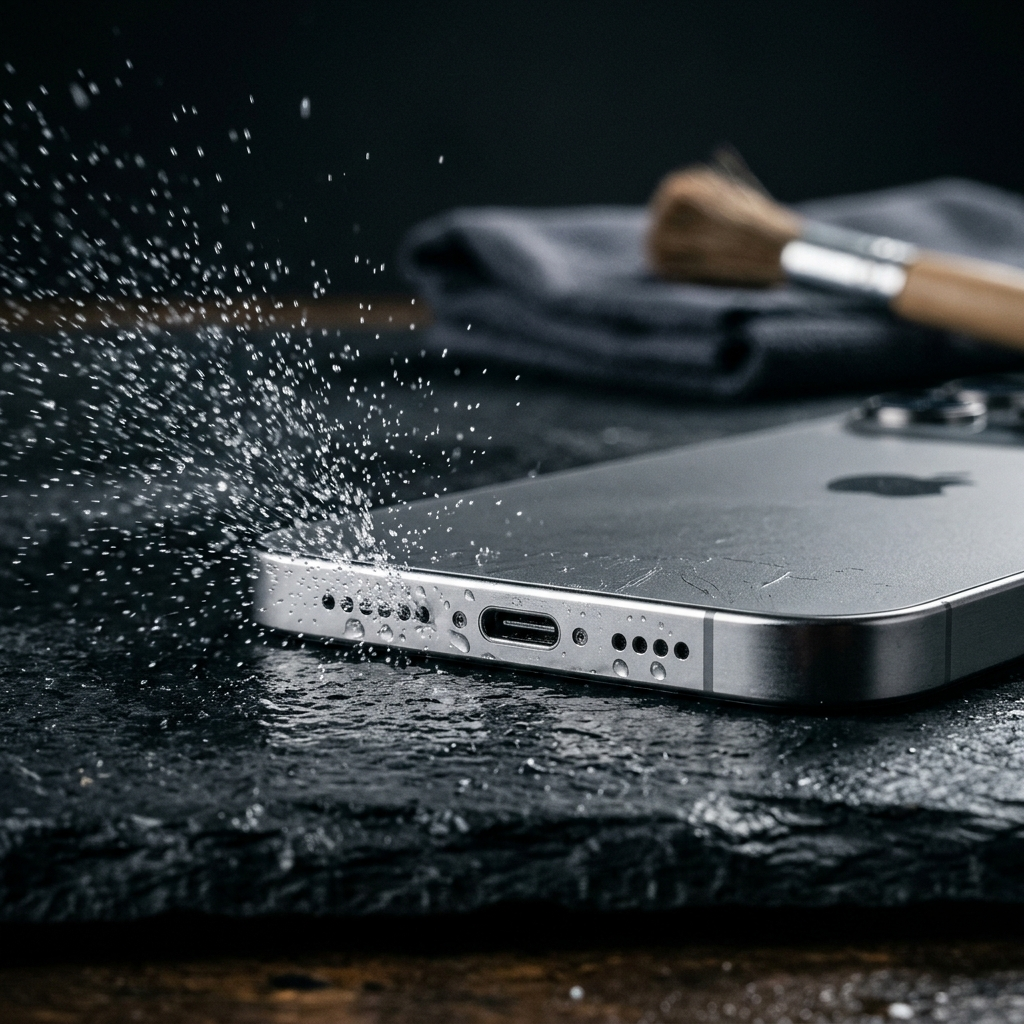
- Wipe exterior moisture: Use a clean, lint-free microfiber cloth to absorb droplets as they appear on the grille.
- Clear remaining dry dust: If the sound remains muffled after fluid is removed, lightly sweep the exterior grille with a clean, soft-bristled brush to remove loosened debris.
Key takeaway: Positioning the speaker downward while playing low-frequency tones maximizes liquid expulsion and keeps moisture away from other device seams.
Preserving Speaker Health: Maintenance Best Practices
Smartphone speakers use delicate micro-components, including thin diaphragms, voice coils, and water-resistant seals. Proper care helps preserve sound quality without damaging the hardware.
- Avoid compressed air: High-pressure air can rupture internal water-resistant membranes and force moisture or debris deeper into the device.
- Avoid sharp objects: Inserting needles, pins, or paperclips into speaker openings can puncture the protective mesh and tear the driver diaphragm.
- Run ejection cycles promptly: Run an acoustic clearing cycle shortly after water exposure rather than waiting for moisture to evaporate, which can leave mineral deposits behind.
- Do not apply external heat: Hair dryers or heat guns can warp internal components and weaken water-resistant adhesives.
Key takeaway: Prompt acoustic ejection and gentle surface care protect speaker integrity far better than sharp tools, compressed air, or applied heat.
Frequently Asked Questions
Low-frequency sound waves around 165 Hz cause the speaker diaphragm to vibrate with high physical amplitude. This movement creates rapid pressure pulses in the acoustic chamber that overcome surface tension, pushing trapped liquid droplets out through the grille.
Acoustic vibration can agitate and loosen superficial dry dust on the speaker mesh. However, it cannot dissolve oils or clear heavily compacted lint, which typically requires gentle external sweeping with a soft brush.
Frequencies near 165 Hz provide an effective balance for smartphone micro-speakers, generating substantial cone movement and air displacement while staying within safe physical limits for the driver assembly.
Short cycles at high volume are safe and necessary to create sufficient physical force to displace water droplets. The sounds should be played in brief, recommended cycles as needed rather than continuously.