Sonic vs Speaker Cleaner: Which Frequency Generator Is Best for Water Ejection?
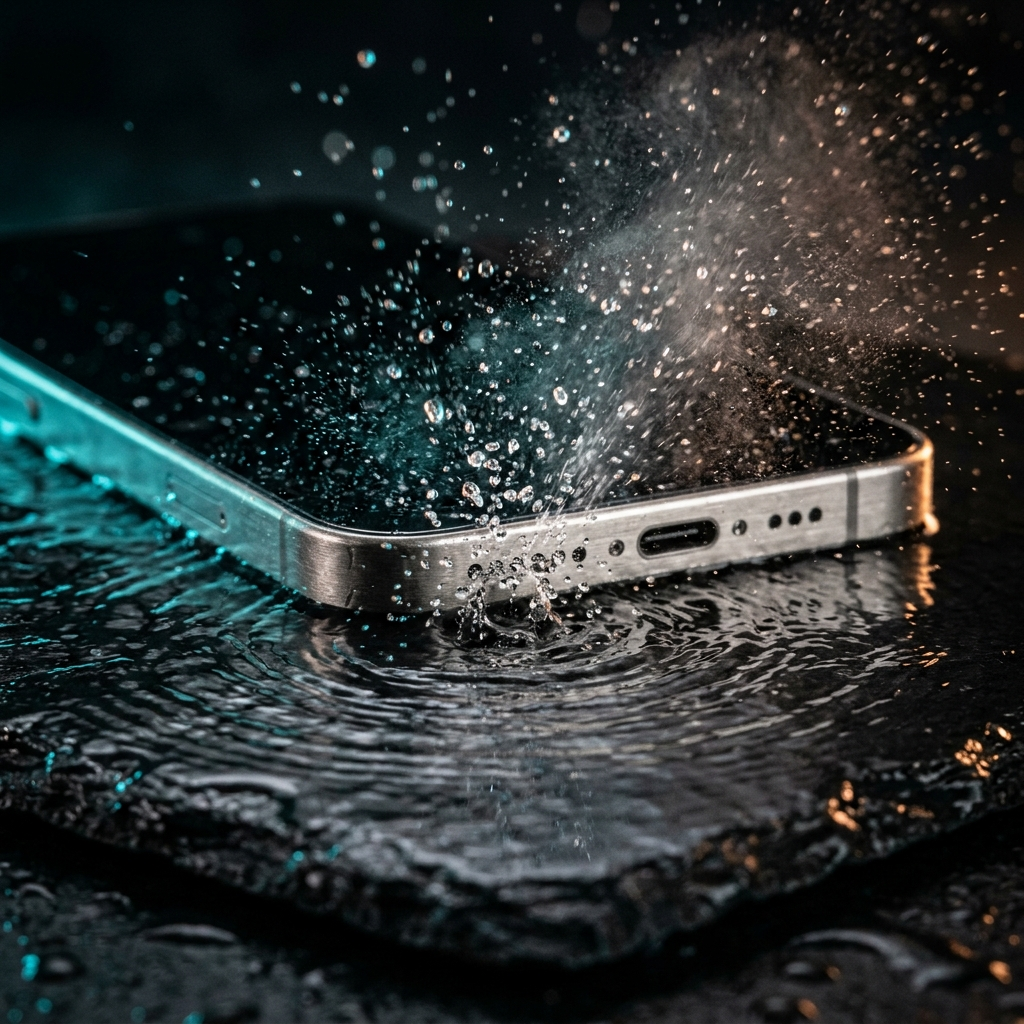
Choosing between Sonic and Speaker Cleaner: Water Eject depends on whether you need a versatile tone generator or an automated ejection tool. Sonic provides manual frequency adjustments across the audible spectrum, whereas Speaker Cleaner: Water Eject plays targeted low-frequency sound waves around 165 Hz to vibrate trapped moisture and dust out of speaker grilles.
The Core Difference Between General Tone Generators and Ejection Tools
General tone generators let users select frequencies across the audible range (typically 1 Hz to 20,000 Hz). These utilities are designed for audio testing, equipment calibration, and acoustic experiments. However, manually finding the right frequency to dislodge trapped water requires trial and error.
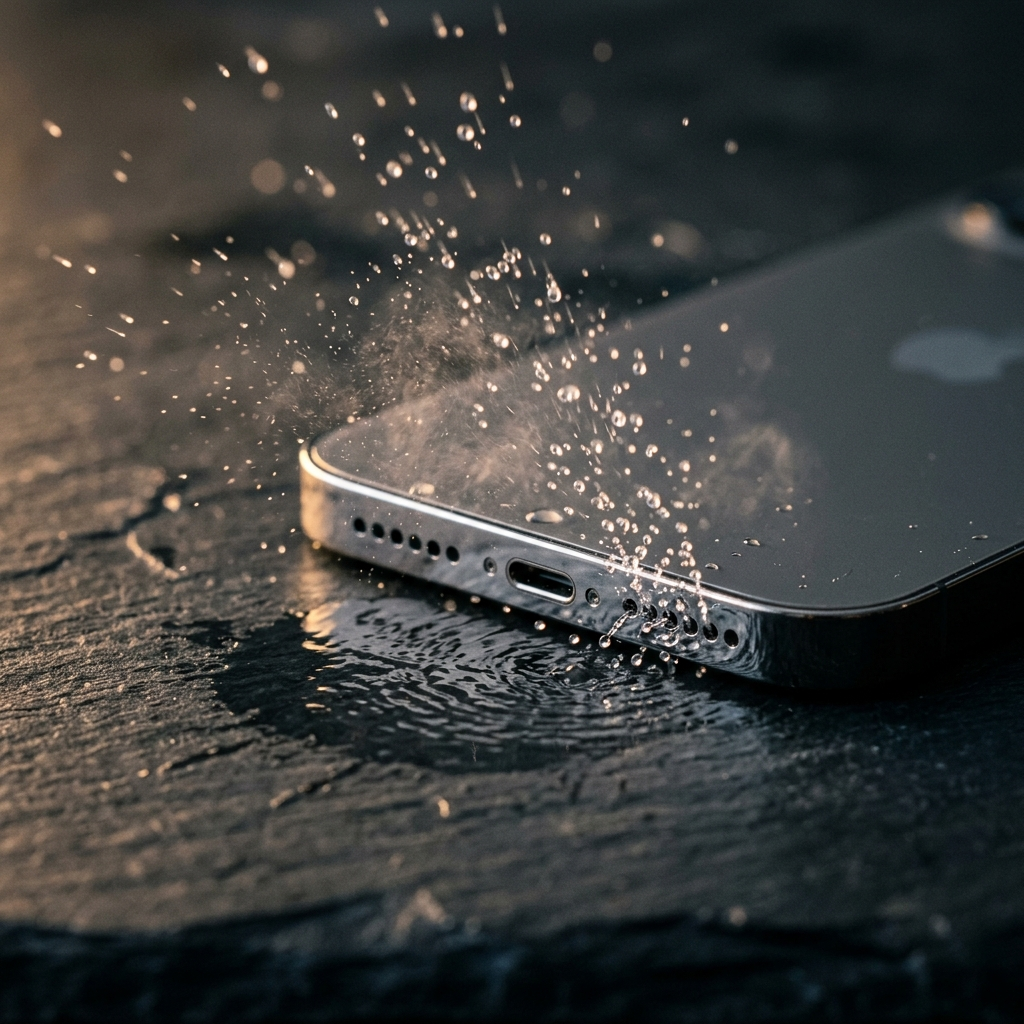
Speaker Cleaner: Water Eject focuses on mechanical vibration. Rather than requiring manual tuning, it plays loud, low-frequency sound waves around 165 Hz. This targeted frequency physically vibrates the speaker diaphragm to help expel trapped moisture and debris.
Key Takeaway: General tone generators offer broad controls for audio testing, while dedicated cleaner apps focus on specific low frequencies designed to dislodge physical obstructions.
The Mechanics of Acoustic Water Ejection
When water enters a smartphone speaker grille, surface tension often prevents it from draining naturally through the fine mesh.
Removing trapped liquid requires physical motion. Sound waves travel as pressure waves through air. At lower frequencies, such as 165 Hz, the speaker diaphragm undergoes greater physical excursion than it does at higher frequencies. This mechanical movement pushes air and vibrations through the grille, helping break surface tension and expel droplets.
- High Frequencies (1,000 Hz to 10,000 Hz): Produce rapid, small diaphragm vibrations that displace minimal air.
- Low Frequencies (130 Hz to 200 Hz): Produce larger physical diaphragm movements, generating the vibrations necessary to dislodge liquid droplets.
- Resonance Matching: Frequencies around 165 Hz provide significant diaphragm movement suitable for small mobile speakers.
Key Takeaway: Dislodging trapped water relies on physical diaphragm vibration rather than sheer volume alone, making low-frequency sound waves essential.
Feature Comparison: Manual Sweep vs Purpose-Built Ejection
The choice between these two approaches comes down to manual control versus focused automation. A manual app like Sonic requires selecting and sweeping frequencies manually to find what works.
In contrast, Speaker Cleaner: Water Eject targets the task directly by playing sound waves around 165 Hz, eliminating the need to experiment with different settings.
- Setup Speed: Dedicated cleaning utilities play the target frequency immediately, whereas manual generators require adjusting sliders and settings.
- Driver Safety: Sustained playback of arbitrary tones at maximum volume on manual generators can place unnecessary strain on small mobile speakers.
- Particle Removal: The physical vibration produced by low-frequency sound waves around 165 Hz also helps shake loose dry dust and lint trapped in the speaker mesh.
Key Takeaway: Manual tone generators suit general audio testing and experimentation, while dedicated cleaning apps provide a streamlined option for clearing speaker blockages.
Step-by-Step Procedure to Clear a Waterlogged Speaker
To clear trapped moisture safely, use a conservative cleaning procedure. Never insert objects like pins, needles, or cotton swabs into the grille, as they can puncture the speaker mesh or push debris further inside.
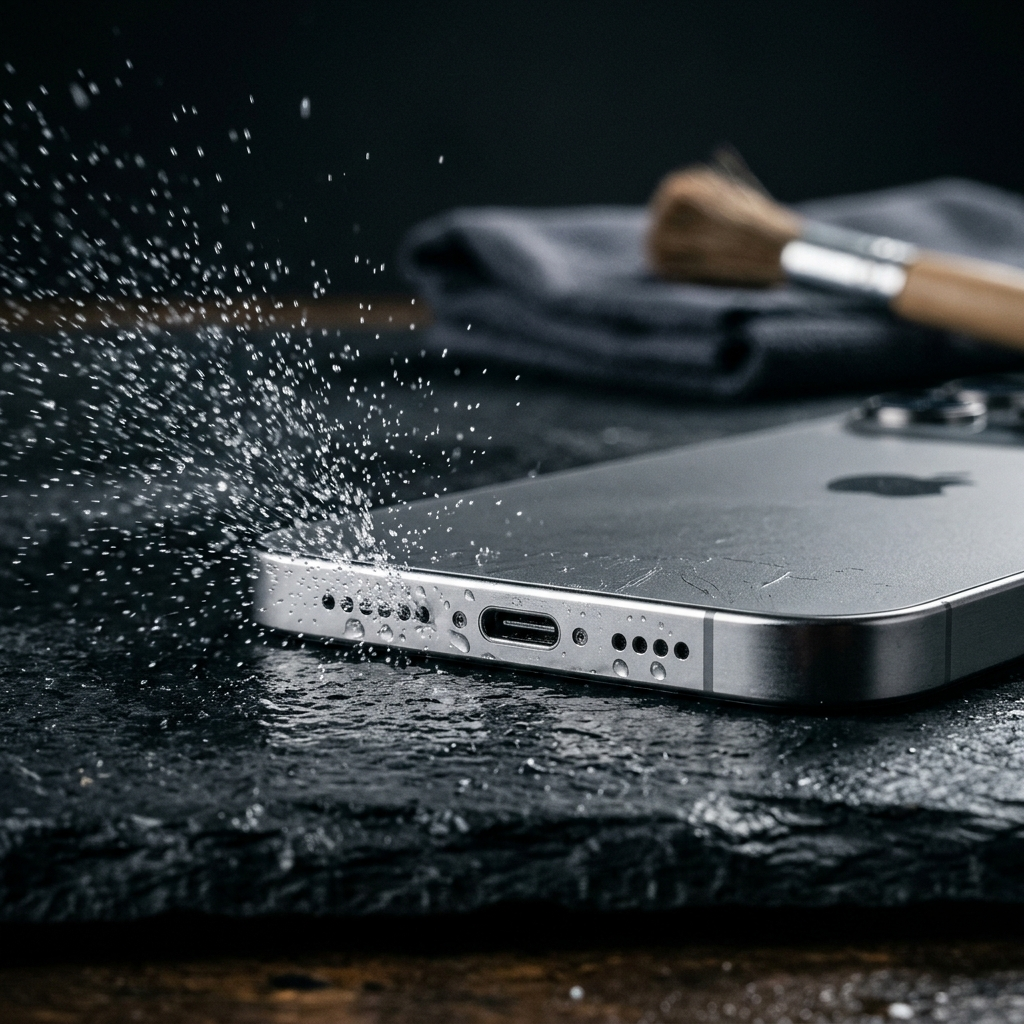
- Wipe the Exterior: Dry the outside of your phone with a clean, lint-free cloth.
- Orient the Device: Position the phone with the affected speaker grille facing downward toward an absorbent cloth so gravity assists the process.
- Set Device Volume: Turn media volume up to ensure adequate speaker vibration.
- Run the Frequency Cycle: Open Speaker Cleaner: Water Eject and play the low-frequency sound waves (around 165 Hz). Watch for droplets emerging from the grille.
- Inspect and Repeat: Gently wipe away any expelled moisture. If audio remains muffled, allow the speaker to rest briefly and run the cycle once more.
Key Takeaway: Low-frequency ejection is most effective when the phone is angled downward and expelled moisture is wiped away immediately.
When Acoustic Ejection Is Not Enough
Sound waves can dislodge surface-level moisture and debris from the speaker mesh and acoustic chamber. However, they cannot fix physical hardware damage or internal liquid ingress.
If sound remains muffled or distorted after running a cleaning cycle, place the device in a dry, well-ventilated space to dry naturally. Do not expose the phone to direct heat from hair dryers, and avoid placing it in uncooked rice, which can introduce dust and starch into ports. If audio issues persist, consult the device manufacturer or an authorized repair technician.
Key Takeaway: Acoustic vibration helps clear physical blockages at the speaker grille but cannot repair internal liquid damage.
Final Verdict: Which Tool Fits Your Needs?
If you need an audio utility for testing equipment, tuning, or general frequency generation, Sonic offers complete manual control across the audible spectrum.
If your goal is to clear muffled sound caused by water or dust in your speaker, Speaker Cleaner: Water Eject is the more practical tool. It plays the specific, low-frequency sound waves around 165 Hz needed to vibrate trapped moisture and particles out of the speaker grille without manual configuration.
Frequently Asked Questions
Low-frequency sound waves around 165 Hz cause the speaker diaphragm to vibrate with greater physical movement. These vibrations help overcome surface tension and push trapped moisture out through the speaker grille.
Playing sustained tones at maximum volume for extended periods can strain compact mobile speakers. Using short, focused sound cycles reduces unnecessary stress on the driver.
Low frequencies around 165 Hz provide significant physical diaphragm movement, producing the vibrations needed to dislodge trapped droplets.
Yes. The physical vibrations produced by low-frequency sound waves can also help shake loose dry dust and lint caught in the speaker mesh.