How Sound Wave Cleaning Protects Smart Device Speakers
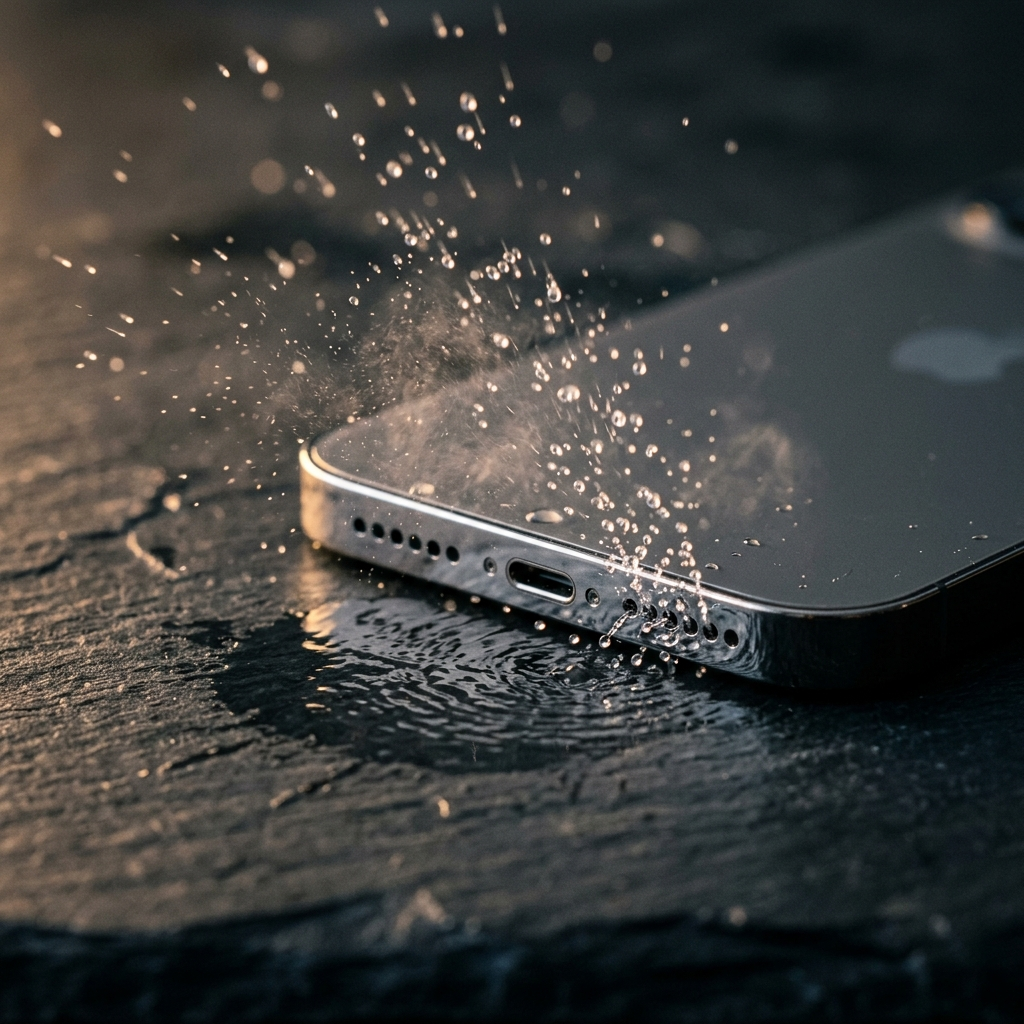
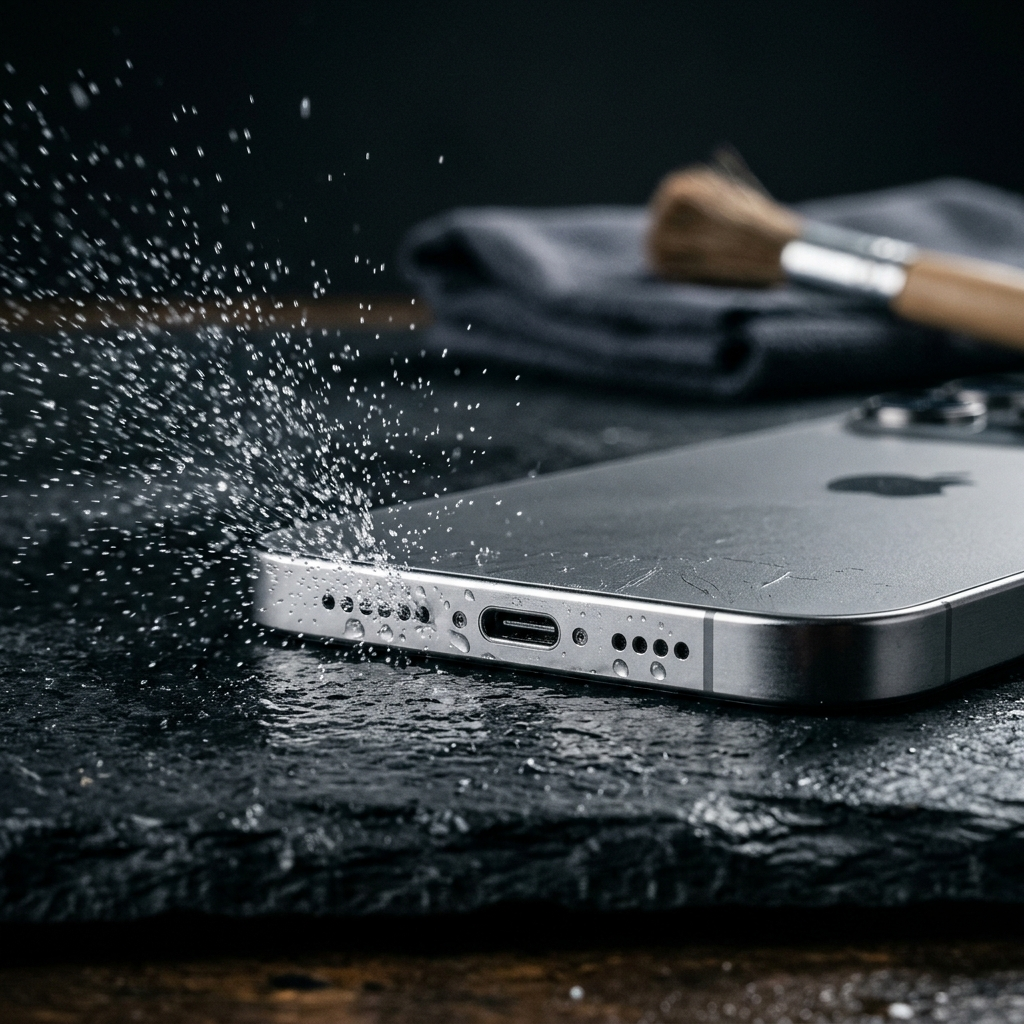
Sound wave cleaning clears smart device speakers by using sustained, low-frequency vibrations—typically around 165 Hz—to displace air and push trapped water and dust out of the speaker enclosure. Rather than applying heat or inserting probes, this approach uses the speaker driver's mechanical movement to remove obstructions before moisture causes corrosion or debris muffles the diaphragm.
The Vulnerability of Modern Device Speakers
Smartphones use sealed enclosures and ingress-resistant gaskets, yet speaker cavities require an acoustic path to the outside environment. Sound passes through exterior grills and fine mesh membranes that remain exposed to moisture and debris.
When liquids reach these channels, surface tension can hold droplets against the mesh. Lint and dust also accumulate over time, creating three common issues:
- Muffled audio: Blocked grills reduce volume and degrade sound quality during calls and media playback.
- Acoustic distortion: Particulate buildup impedes diaphragm movement, leading to rattling or distorted sound.
- Moisture damage: Liquid trapped near internal contacts and voice coils can promote oxidation and damage speaker components.
Common manual cleaning methods introduce additional risks. Cotton swabs, toothpicks, and pins can puncture the protective acoustic mesh, while compressed air can force debris and moisture deeper inward or rupture the diaphragm.
The Physics of Acoustic Displacement
A dynamic speaker relies on a voice coil suspended within a magnetic field. When audio signals pass through the coil, it drives a flexible diaphragm forward and backward, displacing air to produce sound waves.
Low-frequency cleaning uses this motion to push foreign material out of the enclosure. Playing a continuous, calibrated tone moves the diaphragm through wide physical excursions:
- Disrupting surface tension: Rapid diaphragm oscillation breaks the capillary bond holding liquid droplets against the fine speaker mesh.
- Expelling air outward: Forward cone movement creates positive pressure pulses that push dislodged droplets through the grill openings.
- Loosening dry debris: Sustained vibration dislodges compacted lint and dust from the mesh and enclosure walls so particles can fall free.
Key takeaway: Sound cleaning relies on air displacement generated by the speaker's own diaphragm rather than heat or evaporation.
Why Frequency Selection Focuses on 165 Hz
Higher audio frequencies cause rapid vibration with minimal cone excursion, producing sound without generating sufficient air displacement to clear blockages. Conversely, frequencies far below a micro-speaker's operating range can introduce unnecessary electrical strain without driving effective movement.
A tone near 165 Hz provides a practical balance for miniature speakers:
- It operates within the lower frequency range where cone excursion achieves significant physical travel.
- It generates enough air velocity to overcome liquid cohesion without overdriving the voice coil.
- It creates directional air movement out through the grill rather than localized turbulence inside the chamber.
Using an app like Speaker Cleaner ensures the device plays a continuous tone around 165 Hz suited for acoustic displacement, rather than the variable frequencies found in speech or music.
Key takeaway: A sustained 165 Hz tone maximizes diaphragm displacement to clear water and dust within safe operating limits.
Best Practices for Effective Speaker Evacuation
Proper device positioning helps dislodged water exit cleanly without settling back into the enclosure:
- Remove obstructions: Disconnect charging cables and remove cases that cover or sit flush against speaker ports.
- Face speaker grills downward: Hold or prop the device so the affected speaker faces down, allowing gravity to assist the acoustic pulses in carrying droplets away from the phone.
- Set media volume high: Open Speaker Cleaner and raise the media volume to ensure sufficient diaphragm excursion.
- Run the cleaning cycle: Play the low-frequency tone through one or more cycles, watching for small droplets emerging along the grill.
- Wipe away expelled liquid: Dab escaping moisture with a lint-free cloth without pressing the cloth into the grill openings.
Key takeaway: Keep the speaker pointing downward during the cleaning cycle so gravity carries ejected moisture clear of the device.
Preventative Maintenance and Hardware Limits
Acoustic evacuation is a targeted maintenance measure for clearing loose debris and surface moisture. Understanding its scope prevents misdiagnosing deeper component issues.
When Acoustic Cleaning Is Useful
- Clearing freshwater droplets after light rain, splashes, or accidental exposure.
- Dislodging dry lint and surface dust accumulated from daily pocket carry.
- Clearing obstructions when call or speaker audio suddenly sounds muffled following water contact.
When Hardware Service Is Required
- Residue from non-water liquids: Saltwater, chlorinated water, or sticky beverages leave deposits behind when dry. While vibrations can eject standing liquid, residue often requires professional cleaning.
- Damaged speaker components: If sound remains distorted, crackling, or absent after cleaning, the diaphragm or voice coil may be torn or physically damaged.
- Widespread liquid ingress: Moisture that penetrates beyond the speaker chamber to internal logic boards or charging assemblies cannot be addressed through speaker playback.
Using low-frequency sound waves provides a safe, non-contact method to clear water and loose dust from phone speakers, preserving audio clarity without risking mechanical damage to delicate mesh seals.