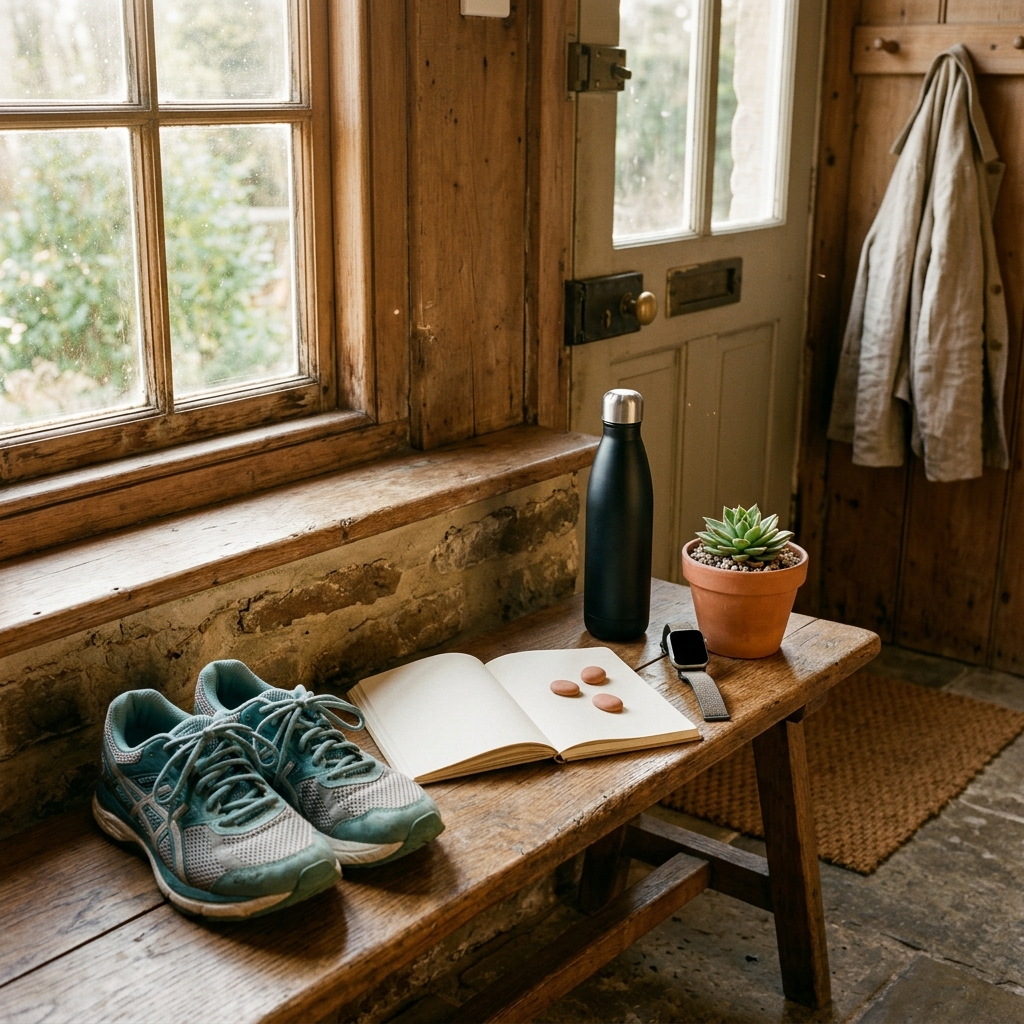
How to Start a Running Routine for Weight Loss: A Structured Guide for Beginners

Starting a running routine for weight loss requires a structured progression of walk-and-run intervals rather than immediate continuous running. By prioritizing consistency, manageable weekly volume, and gradual cardiovascular adaptation, beginners can increase energy expenditure while reducing joint strain. Using a running app like Runly to guide intervals, track calories burned, and maintain daily streaks helps turn occasional workouts into a consistent habit.
Many new runners quit within the first few weeks because they start too fast. Running several miles at a high pace on day one causes excessive fatigue, joint soreness, and long recovery periods that disrupt weekly consistency. Sustainable weight loss depends on cumulative activity over months, making joint protection and routine building your primary early goals.
Why Walk-Run Intervals Outperform Continuous Running for Beginners
For weight management, workout duration and frequency matter more than top speed. Continuous running places high mechanical stress on tendons, ligaments, and bones before they adapt to repetitive impact. Walk-and-run workouts distribute this load by alternating brief running efforts with active recovery walks.
In Runly, beginner-friendly plans—such as Beginner Running and Couch to 5K—use structured walk-and-run workouts. Instead of guessing when to slow down, you follow guided audio coaching with prompts like "Start running" and "Recovery walk" until you hear "Workout complete." This removes the need to watch a clock and helps prevent starting too fast.
- Lower injury risk: Scheduled walking breaks reduce cumulative impact on knees and ankles while tissues adapt.
- Higher total volume: Alternating intervals lets you exercise for 25 to 30 minutes, burning more total calories than a brief all-out run that ends early.
- Controlled effort: Audio prompts help keep your effort steady so you can complete multiple sessions each week.
Key Takeaway: Structured walk-and-run intervals help beginners spend more total time moving and burn calories while reducing the risk of burnout or overuse injuries.
Setting Up Your Four-Week Foundation Plan
A sustainable weight loss running routine balances workouts with recovery days. Rather than running every day immediately, aim for three to four structured sessions per week, using the remaining days for light walking or rest.
- Choose a starting plan: Open Runly and select either the Beginner Running plan or the Couch to 5K program based on your current fitness level.
- Set weekly goals: Commit to specific days and set weekly goals in the app, using motivation reminders to keep sessions on your schedule.
- Follow the audio cues: During your workout, let Runly's voice guidance direct each transition. Take every scheduled recovery walk when prompted, even if you feel energetic early on.
- Log your route with GPS: Enable GPS run tracking to record distance, running time, steps, and route data for each session.
- Review post-run metrics: After hearing "Workout complete," check your summary to review pace and calories burned before scheduling your next workout.
Key Takeaway: Following a Beginner Running or Couch to 5K plan with voice prompts removes guesswork and builds a repeatable weekly schedule.
Tracking Metrics That Support Weight Loss
Weight loss happens when sustained energy expenditure supports a consistent calorie deficit over time. Because daily scale weight fluctuates with water retention, tracking objective workout metrics gives a clearer picture of your progress.
Monitoring Energy Output and Volume
Runly's GPS run tracking and progress charts record the data points that reflect your activity levels. During and after each session, you can view live and historical statistics including calories burned, steps, running time, and weekly distance. An upward trend in weekly distance and total runs over a month confirms that your overall energy output is increasing.
Evaluating Cardiovascular Efficiency
As your endurance improves, you will see changes in your pace improvements and longest run metrics in Runly's charts. Keep your early pace comfortable; as fitness builds, you will cover more distance in the same 30-minute window. Covering more distance in the same time increases calories burned per session without extending your workout duration.
Key Takeaway: Track weekly distance, total runs, and calories burned in your progress charts to measure activity trends more reliably than daily scale weight alone.
Building Consistency Through Habit Mechanics
Running supports weight loss best when it becomes a regular routine. Occasional intense workouts produce limited results if followed by long breaks. Focusing on long-term consistency rather than single-workout intensity helps build a lasting habit.
Runly supports consistency through daily streaks, habit tracking, and weekly goals. Checking your streak and using motivation reminders adds accountability to help you stay on schedule. After completing the Beginner Running or Couch to 5K plans, you can move into 10K Training, Half Marathon, or Marathon Training programs in the app to continue building endurance.
- Pair your run with a daily cue: Attach your workout to an existing daily routine, supported by Runly's motivation reminders.
- Maintain your streak: Show up for your scheduled session even when energy is low; a slower walk-and-run workout still maintains your habit record.
- Progress gradually: Check your progress charts to confirm you are meeting your current weekly goals consistently before moving to a longer training plan.
Key Takeaway: Using habit tracking, daily streaks, and progressive training plans helps you stay consistent long enough to support steady weight loss.
Conclusion
Starting a running routine for weight loss does not require exhausting daily sprints. By combining walk-and-run workouts, guided audio coaching, and progress tracking, you can increase calorie burn while building endurance at a manageable pace. Use Runly to choose a beginner plan, track your routes with GPS, and build a consistent running routine one step at a time.
Frequently Asked Questions
Beginners should start with structured walk-and-run workouts rather than continuous running. Using a program like Runly's Beginner Running or Couch to 5K plan with guided audio coaching lets you alternate running intervals with recovery walks to burn calories and build endurance gradually.
Focus on consistency and volume metrics such as weekly distance, total runs, running time, steps, and calories burned. Tracking these statistics over time in Runly's progress charts shows your cumulative energy output and pace improvements.
Build consistency by setting realistic weekly goals, using motivation reminders, and maintaining daily streaks. Tracking your habits and following voice prompts like 'Start running' and 'Recovery walk' removes guesswork so you can focus on completing each workout.
After completing a Beginner Running or Couch to 5K plan, you can maintain your routine and build further endurance by moving to 10K Training, Half Marathon, or Marathon Training plans.