Top Free Plant Identification and Pest Scanner Apps for Home Gardeners
Reliable free plant identification and pest scanner apps help home gardeners identify plant species and diagnose health problems before damage spreads. While basic plant apps focus solely on botanical names, diagnostic apps like Plant Doctor evaluate visual symptoms to detect insect pests, fungal diseases, nutrient deficiencies, and environmental stress. For home growers, selecting an app with an accessible free tier enables accurate diagnosis without requiring an immediate paid subscription.
The Dual Challenge: Species Recognition Versus Health Assessment
Identifying a plant species solves only part of a plant care problem. For example, a pothos suffering from root rot and a philodendron infested with spider mites require completely different care, yet their initial symptoms can look identical. Yellowing foliage, slowed growth, and sudden leaf drop are common responses to multiple distinct stressors.
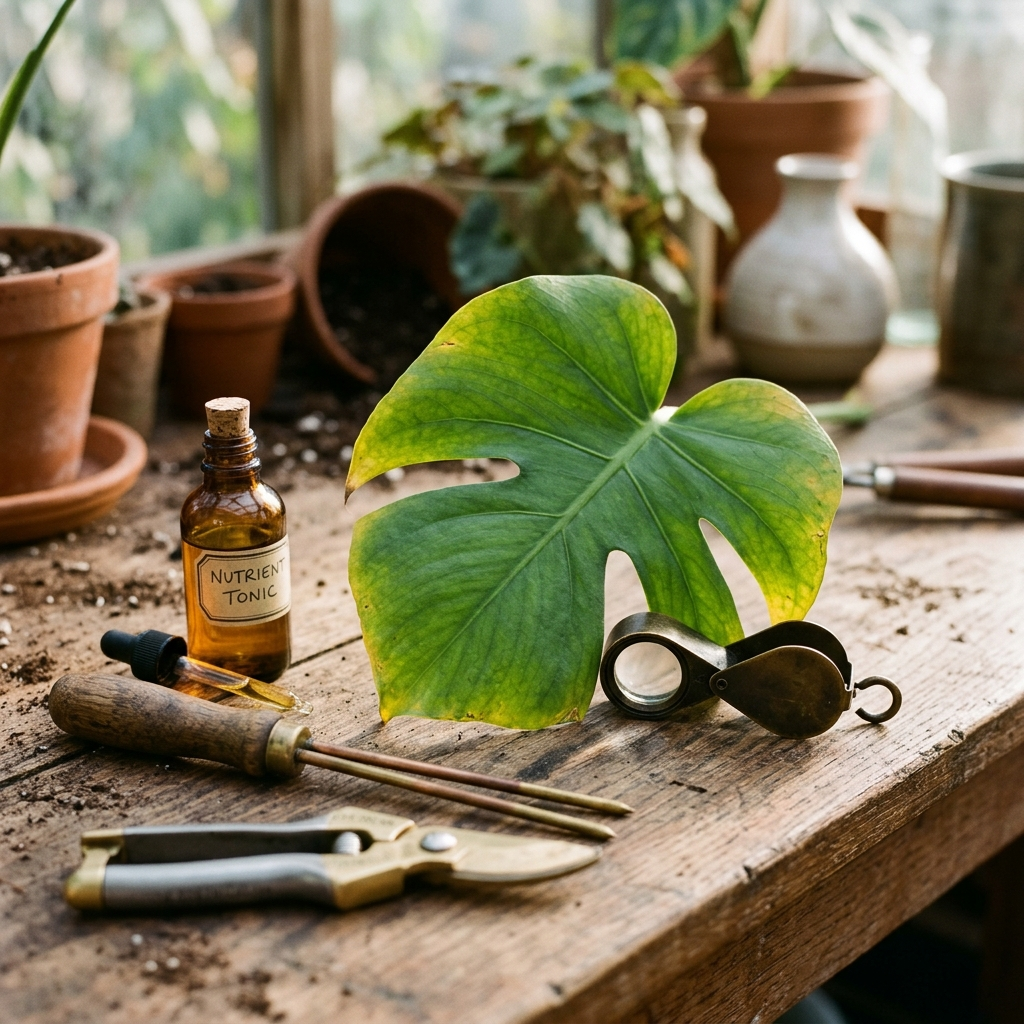
Basic plant identification tools catalog leaf shapes and flower structures, which does not help when distinguishing between drought stress and root disease. Effective pest and disease scanners identify specific visual markers: stippling from sap-feeding insects, sooty mold, interveinal chlorosis from nutrient deficiencies, and fungal lesions. Relying solely on species identification delays needed treatment and risks allowing localized pests to spread to neighboring plants.
Essential Criteria for Evaluating Free Diagnostic Scanning Apps
Free plant health apps differ in diagnostic capabilities, usability, and subscription models. When selecting an app for everyday gardening, consider the following factors:
- Symptom Differentiation: The tool should distinguish between biological issues (pests, fungi, bacteria) and environmental conditions (underwatering, poor drainage, temperature shock).
- Actionable Treatment Steps: Diagnosis should include clear, practical steps for remediation, pruning, or environmental adjustments.
- Daily Free Allowance: A useful free tier provides recurring daily scans so gardeners can monitor routine issues without hitting an immediate paywall.
- Photo Guidance: Integrated tips on framing, lighting, and focus help users capture images that yield reliable diagnostic results.
- Language Support: Broad language availability, including full right-to-left (RTL) text support, ensures instructions are clear and accessible across different regions.
Plant Doctor: Integrated Botanical Recognition and Health Diagnostics
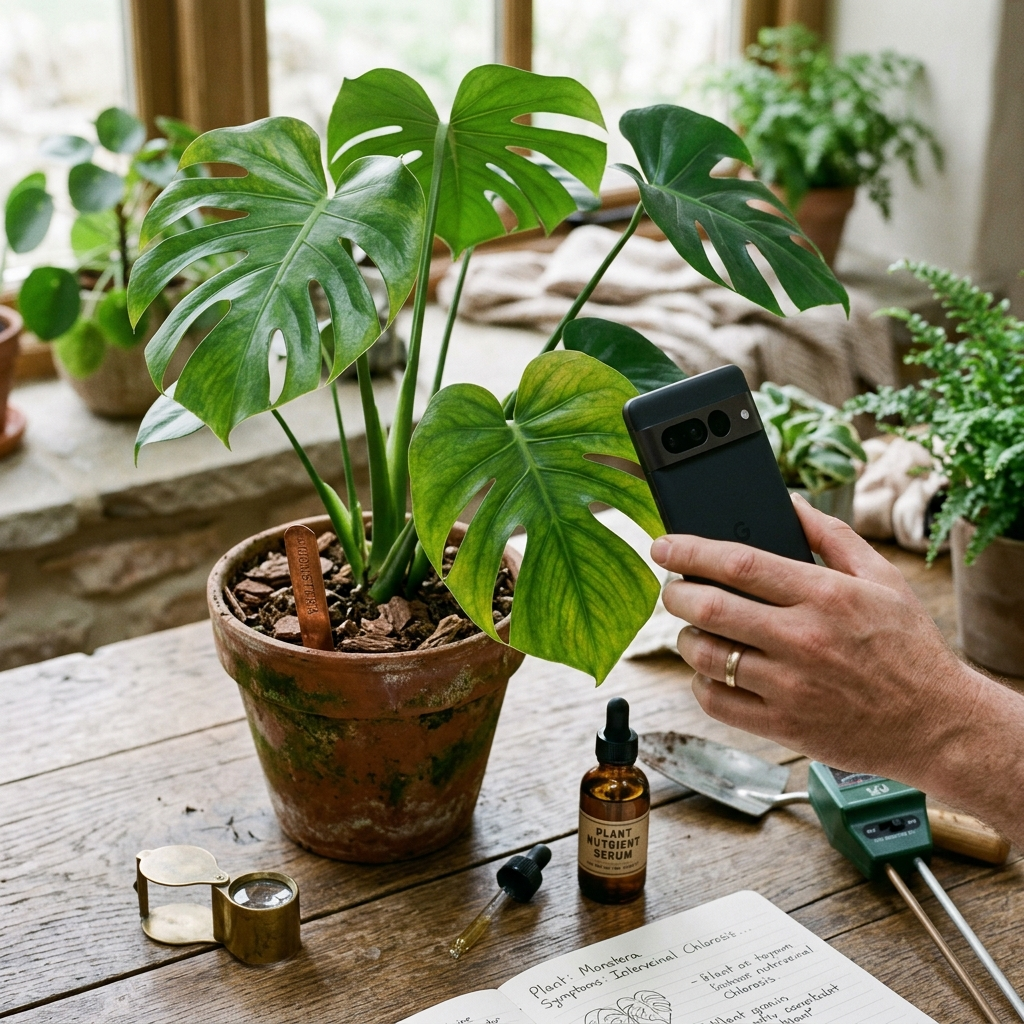
Plant Doctor is an AI-powered plant health app designed to identify plants and evaluate their health in a single step. Gardeners take a photo of an affected plant to receive an immediate diagnosis covering plant identification, active pests, microbial diseases, nutrient deficiencies, and environmental stress.
Alongside the diagnosis, Plant Doctor provides step-by-step treatment protocols and long-term prevention advice tailored to home gardeners. To help users get accurate results, the app includes practical photography tips for framing clear close-up images.
Plant Doctor offers a daily free diagnosis allowance suitable for routine care. For users managing larger collections who need unlimited scans and an ad-free experience, an optional PRO upgrade is available. The app supports ten languages with full right-to-left (RTL) layout support.
Comparative Analysis: General Classifiers Versus Specialized Scanners
Understanding the difference between general plant identification tools and dedicated diagnostic apps helps gardeners choose the right tool for their needs.
Public Taxonomy Repositories
Community biodiversity platforms excel at identifying wild flora and native trees for nature observation and conservation mapping. However, they are designed to catalog species rather than diagnose plant health, meaning they rarely offer pest management advice or soil care guidance.
Automated Health Companions
Diagnostic tools like Plant Doctor evaluate the physical condition of the plant alongside its identification. By assessing visible indicators such as leaf discoloration, pest residue, and abnormal growth patterns, these apps help gardeners identify problems and take corrective action quickly.
Best Practices for Capturing Diagnostic-Quality Photographs
The accuracy of photo-based plant diagnosis depends directly on image clarity. Following these guidelines helps ensure reliable results:
- Capture the Margin: Frame the shot to show both healthy and symptomatic tissue. The boundary between green growth and damaged areas contains the clearest diagnostic cues.
- Inspect Leaf Undersides: Many common pests—including spider mites, aphids, whiteflies, and mealybugs—feed on the undersides of leaves to avoid direct light.
- Use Indirect Natural Light: Harsh direct sun creates glare and deep shadows that obscure leaf texture. Bright, indirect natural light or overcast conditions produce the most accurate colors and contrast.
- Keep the Subject in Focus: Hold the camera steady a few inches from the affected area, ensuring the lens focuses on the damaged tissue rather than background soil or pots.
- Gently Remove Dust: Wipe away loose dust or debris from leaves while leaving any pests or lesions intact so the app can scan the actual symptoms.
Differentiating Symptoms: Pests, Pathogens, and Cultural Deficiencies
Recognizing how different types of plant stress appear helps gardeners verify scan results and choose the right treatment:
- Pest Infestations: Look for fine webbing, stippling, sticky residue (honeydew), or visible insect clusters on stems and fresh growth. Management typically includes isolating the plant, rinsing foliage, or applying insecticidal soap or horticultural oil.
- Fungal and Bacterial Diseases: Often appear as water-soaked spots, concentric rings, powdery coatings, or dark lesions with yellow halos. Management involves pruning infected foliage, improving air circulation, reducing leaf wetness, and applying appropriate fungicides when necessary.
- Nutrient Deficiencies: Frequently appear in predictable, symmetrical patterns across foliage. For example, nitrogen deficiency causes uniform yellowing on older lower leaves, while iron deficiency causes yellowing between the veins of new growth. Remediation involves adjusting soil conditions and applying balanced fertilizer.
- Environmental Stress: Common signs include brown leaf margins from low humidity, sudden leaf drop from cold drafts, or root rot from overwatering and poor drainage. Remediation requires adjusting watering schedules, light levels, or container drainage.
Establishing a Proactive Plant Health Routine
Early detection prevents minor plant issues from developing into severe infestations or plant loss. Checking houseplants and garden beds regularly allows you to isolate and treat problems before they spread to neighboring containers. Combining good cultural practices with Plant Doctor's daily free diagnosis allowance provides a practical, systematic approach to keeping plants healthy throughout the growing season.