How to Identify Plant Diseases from a Photo on Your Phone
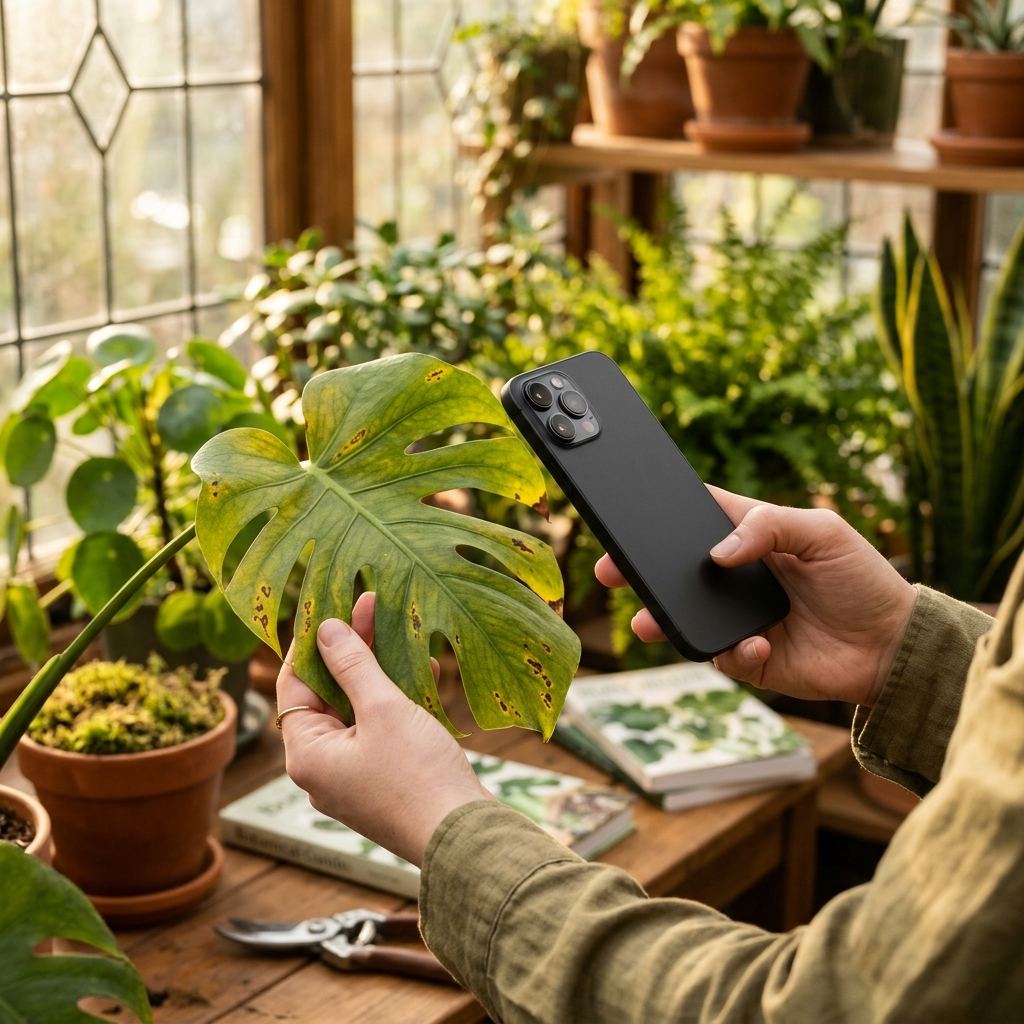
To identify plant diseases from a phone photo, capture a sharply focused close-up of symptomatic tissue in diffused daylight and process it through a specialized diagnostic application. The app compares visual symptoms—such as haloed leaf spots, powdery residue, or chlorotic veins—against botanical pathology databases to return an instant identification and actionable treatment steps. Clear composition, steady focus, and balanced lighting determine the accuracy of the result.
The Cost of Delayed or Misidentified Plant Diagnoses
Plant distress exhibits overlapping physical symptoms that frequently lead to mistaken care decisions. A home gardener who spots yellow foliage might suspect underwatering and increase irrigation, inadvertently accelerating fungal root rot or worsening nutrient chlorosis. Mistaking fungal leaf spots for sun scorch wastes critical treatment time, allowing spores to spread to neighboring plants.
Mobile diagnosis bridges the gap between basic visual inspection and botanical pathology. Instead of thumbing through broad gardening guides or waiting for leaves to drop, photographing early-stage discoloration on your smartphone helps pinpoint the issue while localized pruning or non-chemical management is still practical. Timely action protects plants before root or vascular damage becomes irreversible.
The Core Photography Principles for Diagnostic Accuracy
Diagnostic applications analyze fine textures, color gradients, and structural changes on plant tissue. An unfocused photo taken under harsh artificial light or direct midday glare washes out the details needed to differentiate between bacterial leaf spot and fungal anthracnose.
To capture an image suitable for diagnosis, follow these standard practices:
- Focus on the Margins: Frame the transition line where damaged tissue meets healthy green leaf surface. This active zone displays key markers such as concentric rings, fungal spores, and defined edges that dead, dried-out leaf centers conceal.
- Seek Diffused Natural Lighting: Photograph plants outdoors on an overcast day or indoors near a bright window with indirect light. Direct sunlight casts heavy shadows and bright reflections that obscure lesion colors.
- Stabilize and Fill the Frame: Steady your hands against a solid surface or rest your elbows on a table. Hold the phone 6 to 10 inches from the leaf so the affected area occupies at least one-third of the frame without relying on digital zoom.
- Inspect Leaf Undersides: Pests and diseases—including spider mites, whiteflies, and downy mildew—frequently colonize the undersides of leaves before top symptoms emerge. Capture underside photos if surface discoloration shows no clear source.
Clear, evenly lit photos improve diagnostic accuracy and prevent misidentifying simple physical damage as a pathogen.
Interpreting Symptoms: Pests, Pathogens, and Nutritional Stress
Foliar problems generally stem from four sources: fungal pathogens, bacterial infections, insect pests, and environmental or nutrient stress. Distinguishing between them requires observing how symptoms develop across the leaf.
Fungal and Bacterial Distinctions
Fungal infections usually appear as rounded or irregular spots surrounded by yellow halos, often accompanied by powdery patches, rust pustules, or concentric target rings. Bacterial infections tend to look water-soaked, greasy, and angular, as the bacteria remain confined by the leaf's primary veins.
Pests Versus Abiotic Nutrient Imbalances
Sap-feeding pests cause fine stippling, leaf curling, sticky residue, or webbing. Nutrient deficiencies, by contrast, create broad, symmetrical patterns across the leaf. For example, nitrogen deficiency causes uniform yellowing across older, lower foliage, while iron deficiency causes yellowing between the veins of new growth.
Noting whether symptoms are localized, vein-bounded, or symmetrical helps you evaluate recommendations and confirm findings.
Step-by-Step Diagnostic Workflow with Plant Doctor: Plant Care
Using a dedicated diagnostic app standardizes plant inspection from initial detection through treatment. Plant Doctor: Plant Care identifies plants, diseases, pests, nutrient deficiencies, and environmental stress through a straightforward process:
- Isolate the Subject: Place a neutral surface, such as your hand or a sheet of plain paper, behind the affected leaf or stem so the camera focuses on the symptom rather than garden mulch or background foliage.
- Align and Photograph: Open Plant Doctor: Plant Care and aim the camera. Follow the built-in photo tips to verify framing, focus, and lighting before taking the picture.
- Analyze the Initial Report: The app identifies the plant species first, narrowing the reference library to issues known to affect that variety. It then provides an immediate diagnosis detailing the primary condition and any contributing stress factors.
- Review the Treatment Protocol: Review the step-by-step guidance, which includes non-chemical adjustments (such as modifying watering frequency or soil drainage) alongside targeted treatments (such as insecticidal soap or copper spray).
- Track Resolution: Use your daily free diagnosis allowance to recheck the plant after 7 to 10 days to verify recovery. Gardeners managing larger plant collections can upgrade to the PRO tier for ad-free, unlimited diagnoses.
Following an orderly inspection routine ensures consistent results and dependable guidance.
Post-Diagnosis Action: Isolating and Remediating the Infection
An accurate diagnosis is most useful when followed by prompt care. Once you identify the condition, pair chemical or mechanical treatments with basic plant hygiene to keep problems from spreading.
Apply these control steps as soon as an issue is confirmed:
- Quarantine the Plant: Separate affected potted plants from healthy specimens by several feet to prevent leaf-to-leaf contact and limit pest spread.
- Sanitize Pruning Tools: Wipe pruners with 70% isopropyl alcohol between cuts when removing spotted, moldy, or dying leaves.
- Adjust Watering Practices: Water at the soil level rather than over the canopy. Wet foliage encourages fungal spore germination and bacterial growth. Increase airflow around indoor and outdoor containers.
- Dispose of Diseased Foliage Safely: Discard infected leaves and pruning scraps in household trash rather than home compost piles, which rarely reach temperatures high enough to kill persistent spores or insect eggs.
Consistent plant hygiene stops disease transmission while targeted care restores healthy root and foliage growth.
A Reliable Method for Healthier Gardens
Smartphones have turned plant health assessments into a practical, everyday routine for home gardeners. By recognizing common distress signs—such as vein-delimited spots, mildew coatings, and nutrient chlorosis—and capturing clear, well-framed images, gardeners can address pest activity and plant stress before damage spreads. Regular inspection, clean photo framing, and disciplined sanitation form the foundation of lasting plant care.
Frequently Asked Questions
The photo must be sharply focused on the transition boundary between healthy and affected tissue under indirect natural light. Blurry shots, heavy shadows, or digital zoom obscure visual details like fungal spores or fine mite damage.
Yes. Visual diagnostic tools analyze patterns such as stippling, concentric rings, pustules, and webbing to differentiate insect feeding damage from fungal diseases, bacterial infections, and nutrient shortages.
Photograph a leaf showing active, moderate symptoms rather than one that is completely dead. Note whether the discoloration affects older lower leaves or new top growth to help determine whether the issue is systemic or localized.
A single clear diagnostic photo identifies the plant and primary health problem. Apps like Plant Doctor: Plant Care then provide step-by-step treatment and prevention guidance suitable for home gardeners.