How to Get Rid of Mealybugs on Indoor Plants Fast: An Expert Protocol
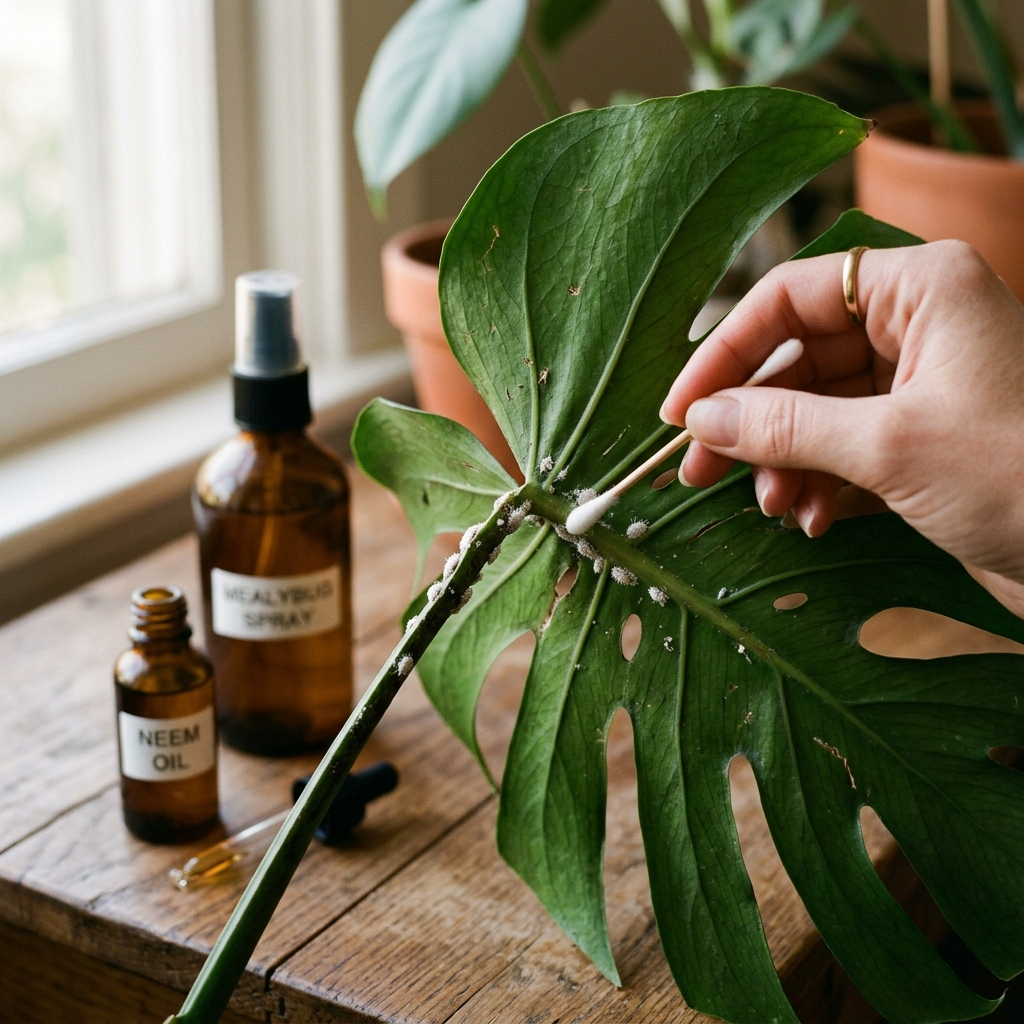
To eliminate mealybugs quickly, isolate the infested plant, remove visible pests directly with a cotton swab dipped in 70% isopropyl alcohol, and thoroughly spray the foliage with insecticidal soap or horticultural oil. Repeat targeted applications every five to seven days for three to four weeks to break the pest life cycle completely.
The Urgency of Mealybug Infestations Indoors
Mealybugs pose a persistent threat to indoor container plants because indoor spaces lack natural predators such as lacewings and ladybugs. These scale insects feed on plant sap through piercing-sucking mouthparts, draining nutrients and weakening vascular pressure. Left unchecked, a small colony multiplies quickly, colonizing leaf axils, root systems, and new growth tips.
As mealybugs ingest phloem sap, they excrete a sticky waste product called honeydew. This substance coats foliage, attracting sooty mold fungus and blocking light from photosynthetic tissue. Unchecked infestations lead to yellowing leaves, leaf drop, stunted growth, and eventual plant loss. Prompt action halts this damage early.
Takeaway: Early intervention preserves plant vigor and prevents honeydew from causing secondary fungal infections.
Diagnostic Confirmation and Immediate Quarantine
Before applying treatments, confirm the pest type. Mealybugs appear as small, oval insects covered in a white, powdery wax that resembles cotton deposits. They typically gather in sheltered areas: leaf joints, leaf undersides, stem crowns, and drainage holes.
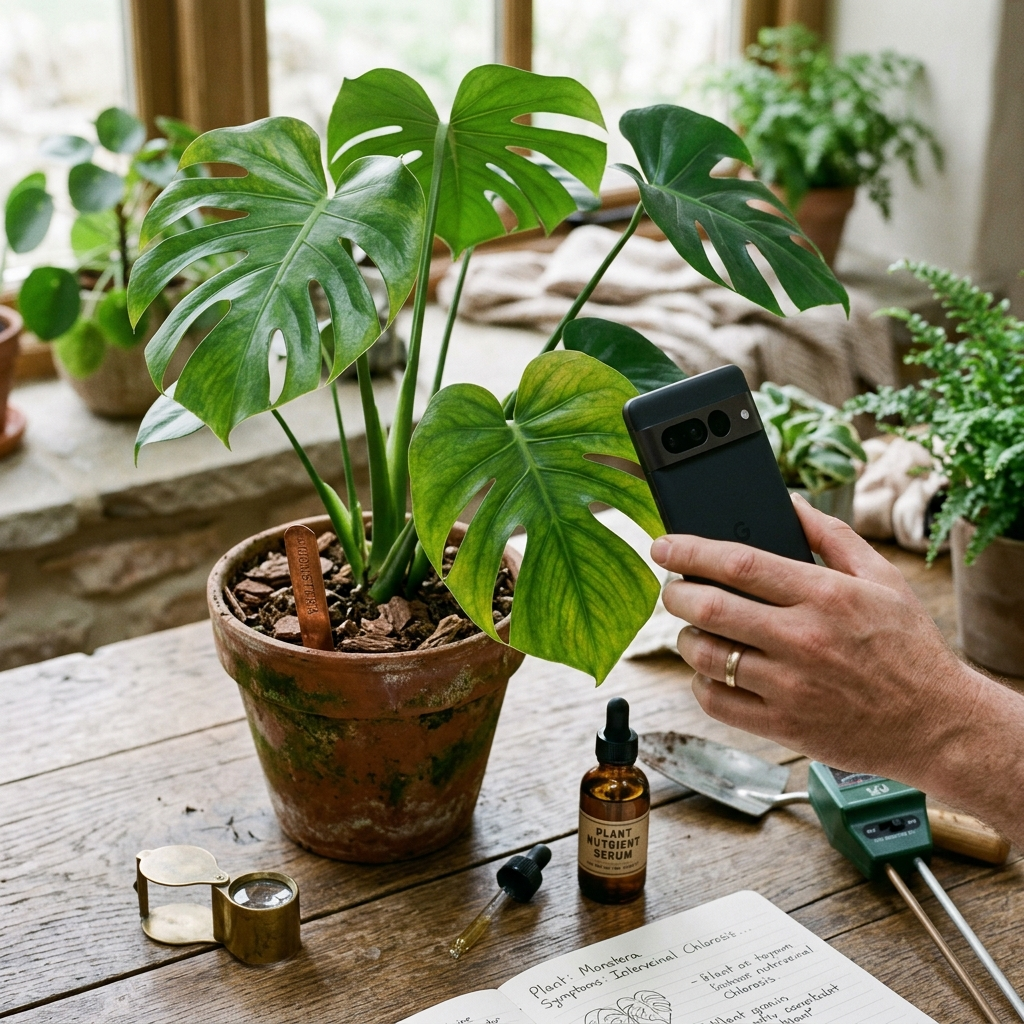
You can confirm the diagnosis by taking a clear photo with the Plant Doctor: Plant Care app. The app checks photographic details against pest and disease indicators, helping you distinguish mealybugs from powdery mildew or root mealybugs while screening for environmental stress. Follow the in-app photo tips—such as focusing directly on the leaf node under bright, indirect light—for accurate results.
Once identified, quarantine the plant immediately:
- Move the plant to a separate room away from other houseplants.
- Inspect nearby plants within a three-foot radius for crawlers.
- Clean nearby shelves, saucers, and windowsills with mild soap and water to remove stray nymphs or eggs.
Takeaway: Immediate physical isolation keeps mobile nymphs from spreading to neighboring plants.
Step-by-Step Eradication Protocol for Fast Results
An effective protocol targets both adult females and mobile nymphs. Combine manual removal with topical contact sprays for consistent results.
Step 1: Direct Spot Treatment with Alcohol
Dip a cotton swab in 70% isopropyl alcohol and dab it directly onto visible mealybugs. The alcohol dissolves their protective waxy coating on contact, killing the pest without damaging mature foliage. Avoid dripping alcohol into the soil, and test a single leaf 24 hours in advance on sensitive plants like maidenhair ferns or African violets.
Step 2: Foliage Rinse
Move the plant to a sink or shower. Using a gentle spray of lukewarm water, rinse the stems and leaf axils to dislodge remaining insects, loose wax, and nymphs. Tilt the pot slightly so water drains away rather than washing insects into the potting soil.
Step 3: Insecticidal Soap or Horticultural Spray
Once the foliage dries, apply ready-to-use insecticidal soap or diluted horticultural oil according to product label directions. Spray all surfaces thoroughly, including leaf undersides, stem bases, and the top layer of potting mix. The soap disrupts insect cell membranes, eliminating surviving crawlers on contact.
Takeaway: Manual spot treatment followed by a complete contact spray reduces pest populations within hours.
Managing the Subterranean Factor: Soil and Roots
Recurring infestations often involve root mealybugs (Rhizoecus species) or nymphs sheltering below the soil surface. If top-growth treatments do not stop new clusters after two weeks, inspect the root system.
Gently slide the plant from its container to check the roots. Root mealybugs look like chalky white deposits along the root fibers and can be mistaken for beneficial mycorrhizal fungi. If root pests are present, gently wash away the old soil, prune dead roots with clean shears, and repot into fresh potting mix and a sanitized container. A diluted neem or insecticidal root drench approved for container plants can also help clear remaining pests.
Takeaway: Clearing above-ground pests is ineffective if a colony remains active in the potting mix.
Maintenance Schedule and Long-Term Prevention
Because mealybug eggs hatch over 7 to 14 days, a single treatment will not prevent reinfestation. Complete control requires regular follow-up across multiple hatching cycles.
- Inspect leaf nodes every two to three days in good lighting.
- Reapply insecticidal soap or horticultural oil every 5 to 7 days for at least three consecutive weeks.
- Keep the plant quarantined until three full weeks pass without visible pests or fresh honeydew.
- Use the Plant Doctor: Plant Care app to capture follow-up photos, track plant recovery, and watch for lingering stress. The free daily diagnosis allowance supports ongoing monitoring, while the optional PRO upgrade provides unlimited diagnoses for larger collections.
To prevent future infestations, quarantine all new houseplants for 14 days before placing them with your collection. Provide adequate humidity and avoid excess nitrogen fertilizer, which encourages tender new growth favored by sap-feeding pests.
Takeaway: Repeating treatments over a three-week window aligns with the egg-hatching cycle to prevent reinfestation.
Conclusion
Clearing mealybugs quickly requires prompt quarantine, targeted alcohol spot treatments, and thorough insecticidal sprays repeated over several weeks. Monitoring recovery and checking root health will help keep your collection pest-free and protect your indoor plants long term.
Frequently Asked Questions
Applying 70% isopropyl alcohol directly to mealybugs with a cotton swab is safe for most houseplants. Avoid saturating the leaves or pouring alcohol into the soil, and test a single leaf 24 hours before wider use on sensitive varieties.
Mealybugs often return because unhatched eggs or small nymphs hide in tight leaf crevices or beneath the soil line where contact sprays missed them. Repeat treatments every 5 to 7 days for at least three weeks to address newly emerged nymphs.
Mealybugs usually enter homes on newly purchased plants, unsterilized soil mixes, or outdoor container plants brought inside for the season. Nymphs can also move between plants on tools or hands.