How to Eliminate Whiteflies on Outdoor Flowers: An Integrated Pest Management Strategy
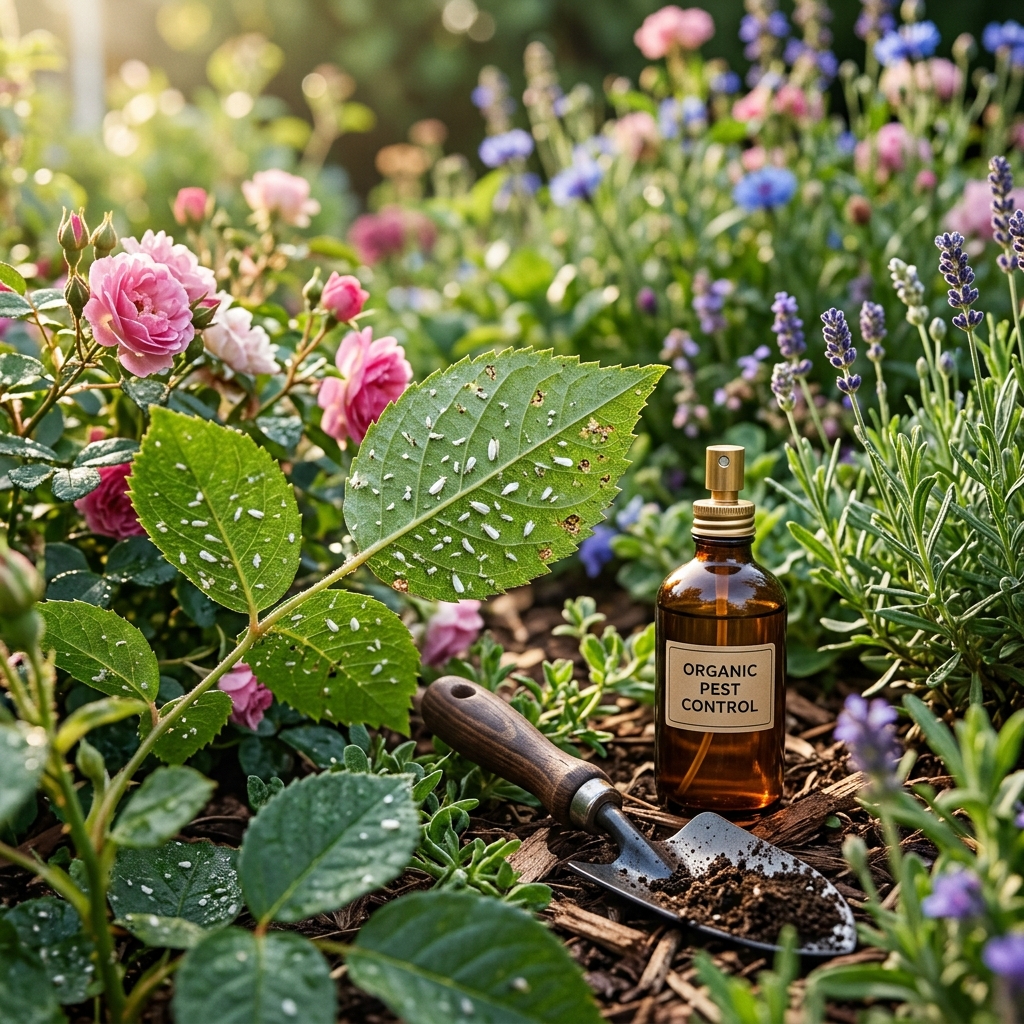
To control whiteflies on outdoor flowers, target both adult flies and under-leaf nymphs using sequential spray treatments, cultural controls, and physical barriers. Begin with a direct stream of water or insecticidal soap to reduce infestation density, then apply horticultural oil to smother eggs and larvae without harming essential pollinators. Maintaining healthy soil, removing infested leaves, and introducing native predatory insects will prevent secondary infestations throughout the growing season.
Understanding the Whitefly Life Cycle and Plant Damage
Whiteflies (family Aleyrodidae) are small, sap-sucking insects closely related to aphids and mealybugs. Although adults are easily spotted fluttering around disturbed foliage, primary structural damage is caused by nymph and larval feeding on leaf undersides. Whiteflies pierce plant tissue to feed on phloem sap, depriving outdoor flowering plants of vital nutrients and moisture.
Left unchecked, heavy infestations cause chlorosis, premature leaf drop, and stunted flower production. Furthermore, whiteflies excrete a sugary waste liquid known as honeydew. This substance attracts ants and serves as a substrate for black sooty mold, which blocks sunlight and impairs photosynthesis. Key takeaway: Effective whitefly management requires early detection of immature stages on leaf undersides before adults establish a reproductive colony.
Step-by-Step IPM Protocol for Whitefly Control
Integrated Pest Management (IPM) offers a structured approach that prioritizes low-toxicity mechanical and biological solutions before resorting to chemical controls. Follow these sequential steps to clear whiteflies from your flower garden:
- Mechanical Blast: Use a firm spray of water from a garden hose to knock adult whiteflies and nymphs off leaf undersides. Repeat every morning for three consecutive days.
- Yellow Sticky Traps: Place yellow sticky cards at canopy height near susceptible flowering plants like fuchsia, hibiscus, and dahlias to capture flying adults and monitor population density.
- Targeted Insecticidal Soap Application: Spray affected foliage thoroughly with potassium salts of fatty acids (insecticidal soap), contacting the undersides of leaves where nymphs harbor.
- Horticultural Oil Treatment: For persistent infestations, apply a 1% to 2% dilution of narrow-range horticultural oil during cooler hours (below 85°F / 29°C) to suffocate eggs and crawler-stage nymphs.
- Pruning and Sanitation: Remove heavily infested leaves and destroy them. Do not compost infested plant material, as whitefly pupae can survive in warm compost piles.
Key takeaway: Consistent application timing—every 5 to 7 days over a three-week window—is essential to interrupt the whitefly breeding cycle as new eggs hatch.
Cultural Practices to Deter Future Infestations
Plant health dictates pest susceptibility. Over-fertilization, particularly with high-nitrogen synthetic fertilizers, creates lush leaf growth that attracts whiteflies and accelerates their reproduction. Use slow-release organic fertilizers or compost to encourage balanced tissue development.
Proper spacing between flowering plants improves airflow and light penetration, creating a microclimate less favorable to humidity-loving pests. Additionally, avoid broad-spectrum chemical insecticides, which eliminate beneficial natural predators faster than whitefly populations. Key takeaway: Balance nitrogen input and optimize garden spacing to build natural resilience against sap-sucking insects.
Encouraging Beneficial Predators in Outdoor Gardens
Biological control provides sustainable, long-term suppression of whitefly numbers in outdoor flower beds. Natural predators consume eggs and nymphs without damaging flower blooms or foliage.
- Green Lacewings (Chrysoperla carnea): Lacewing larvae aggressively consume whitefly nymphs and aphids.
- Lady Beetles (Delphastus catalinae): Specific lady beetle species specialize in consuming whitefly eggs and larvae.
- Parasitic Wasps (Encarsia formosa): Tiny, stingless wasps lay eggs inside whitefly nymphs, preventing adult emergence.
- Companion Planting: Interplant flowering annuals with nectar-rich companion plants like alyssum, marigolds, and dill to attract and retain native beneficial insects.
Key takeaway: Establishing a diverse garden ecosystem reduces reliance on spray treatments by maintaining active predator populations.
Troubleshooting Resistant Whitefly Species
Certain species, such as the silverleaf whitefly (Bemisia tabaci), exhibit resistance to conventional synthetic pesticides. Continual use of synthetic chemicals often eliminates competing insects and results in rapid whitefly resurgence. If soft chemical approaches like soaps and oils fail after three weeks, rotate active ingredients by using neem oil (containing azadirachtin) or insect growth regulators (IGRs) labeled for ornamental flowers.
Ensure thorough coverage; incomplete applications leave surviving populations that quickly build resistance. Always test a new treatment on a single leaf 24 hours prior to full application to check for phytotoxicity. Key takeaway: Avoid synthetic chemical overuse, and rotate natural active ingredients to bypass pesticide resistance.
Conclusion
Controlling whiteflies on outdoor flowers requires a methodical combination of physical removal, targeted organic treatments, and long-term cultural management. Inspecting leaf undersides regularly and acting at the first sign of nymph activity maintains vibrant, healthy blooms throughout the season. For fast identification of garden pests, plant diseases, and tailored care recommendations, tools like Plant Doctor assist gardeners in diagnosing plant health issues on site.
Frequently Asked Questions
Yes, neem oil is effective against whiteflies. It acts as both a suffocant to eggs and nymphs and a systemic disruptor due to its active compound, azadirachtin, which stops larvae from molting.
Whiteflies return when egg and nymph populations on leaf undersides are missed during treatment, or when high-nitrogen fertilizers create ideal feeding conditions. Broad-spectrum sprays that kill natural predators also cause rapid population resurgences.
In freezing climates, adult whiteflies die off outdoors, though eggs and pupae can overwinter in plant debris or weeds. In mild climates or greenhouses, whiteflies reproduce continuously year-round.
Commercial insecticidal soap is recommended over household dish detergent. Household soaps often contain degreasers and synthetic fragrances that strip the protective wax layer from leaf surfaces, causing foliage burn.