Best PlantNet Alternative for Vegetable Garden Pest Control: Moving from Identification to Diagnosis
For home gardeners managing food crops, Plant Doctor is a practical PlantNet alternative for vegetable garden pest control because it evaluates plant health rather than just botanical taxonomy. While PlantNet focuses on cataloging flora and confirming species names, Plant Doctor uses AI to identify the plant alongside active pests, diseases, nutrient deficiencies, and environmental stress from a single photo. It pairs every diagnosis with step-by-step treatment and prevention advice designed for home growers.
Why Botanical Identification Is Not Enough for Vegetable Gardens
Knowing that the plant in your raised bed is Solanum lycopersicum does not save your harvest when its lower leaves curl and develop concentric brown rings. Vegetable gardeners rarely struggle to identify what they planted; their challenge is diagnosing what is eating, infecting, or stressing the crop before damage spreads across the bed.
Standard plant identification apps rely on healthy reference specimens, floral structures, and leaf morphology. When you photograph a cabbage leaf riddled with holes or a wilting squash stem, taxonomy-focused tools often fail to return a clear match or simply confirm the crop name while ignoring visible symptoms.
In a vegetable plot, a delay in distinguishing between an insect infestation and a fungal pathogen can mean the difference between pruning a few affected leaves and losing a planting. Gardeners need a diagnostic tool built for plant pathology and pest management rather than a botanical field guide.
How Plant Doctor Bridges the Gap Between Species ID and Pest Control
Plant Doctor is an AI-powered plant health companion built for home gardening. When you photograph an affected vegetable plant, the app identifies the species, detects visible pests or disease symptoms, checks for signs of nutrient deficiencies, and evaluates environmental stress factors.
Instead of leaving you with a Latin name and a web search, Plant Doctor provides step-by-step treatment instructions and prevention advice directly in the app. To support gardeners globally, the app offers practical guidance in 10 languages with full right-to-left (RTL) interface support.
- Dual recognition: Confirms the host plant while isolating the health issue affecting the foliage, stem, or fruit.
- Differential diagnosis: Distinguishes between biotic threats (insects, fungi, bacteria) and abiotic disorders (watering imbalances, sunscald, soil mineral shortages).
- Actionable remediation: Delivers structured treatment steps and ongoing prevention advice suited to home gardens.
- Flexible access: Offers a daily free diagnosis allowance for routine checks, plus a PRO upgrade that removes ads and unlocks unlimited diagnoses.
Takeaway: Using an app built for diagnostics removes the guesswork between spotting leaf damage and applying the appropriate garden remedy.
Distinguishing Vegetable Pests from Disease and Abiotic Stress
A common mistake in home vegetable pest control is treating every blemish as an insect attack. Many physiological disorders and nutrient deficits mimic pest or pathogen damage, leading gardeners to apply unnecessary sprays when the crop actually needs adjusted irrigation or soil amendments.
Chewing and Sucking Pests vs. Foliar Diseases
Chewing insects like flea beetles, hornworms, and cabbage loopers leave ragged edges, holes, or skeletonized foliage. Sap-sucking pests such as aphids, spider mites, and whiteflies cause stippling, yellowing, and distorted new growth, often accompanied by sticky honeydew. However, bacterial leaf spots and fungal blights can also create holes as dead tissue dries and falls from the leaf blade, a symptom known as shot-hole disease.
Nutrient Deficiencies vs. Root and Stem Pests
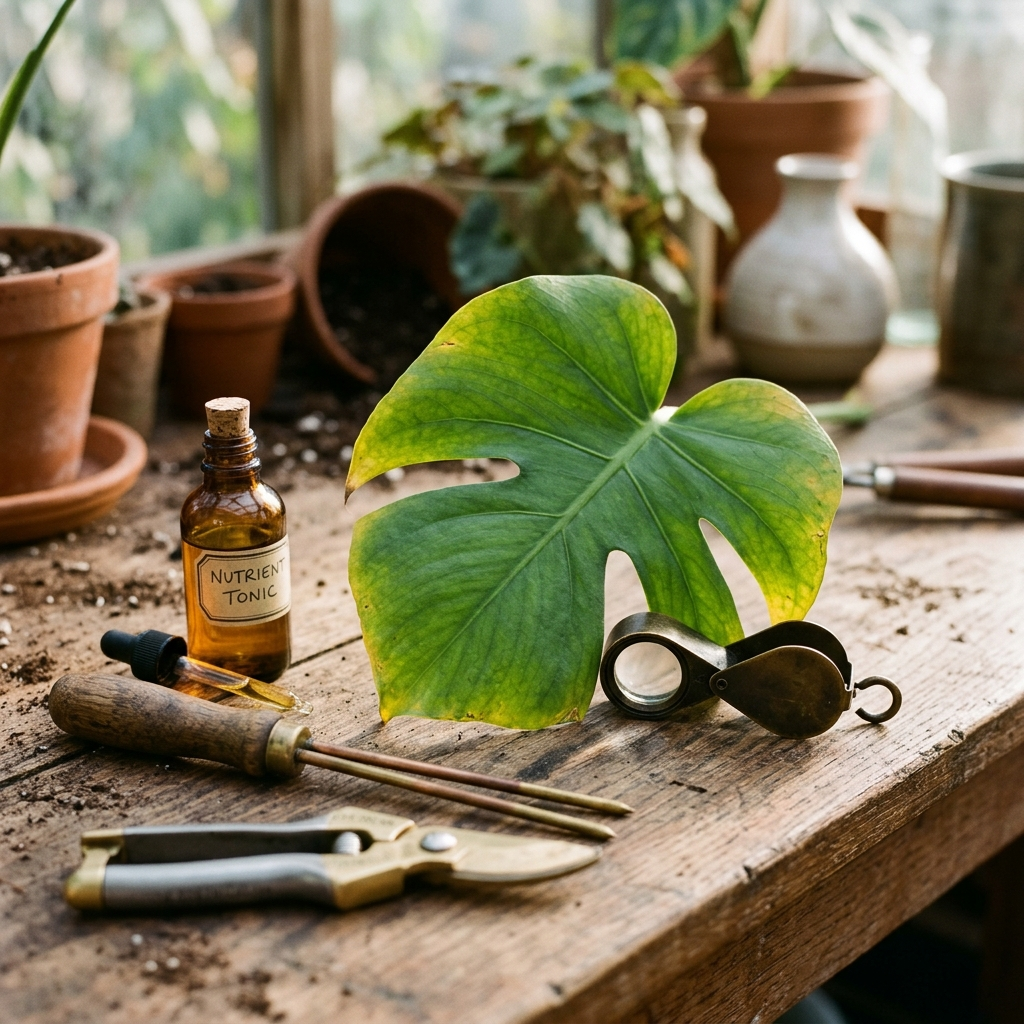
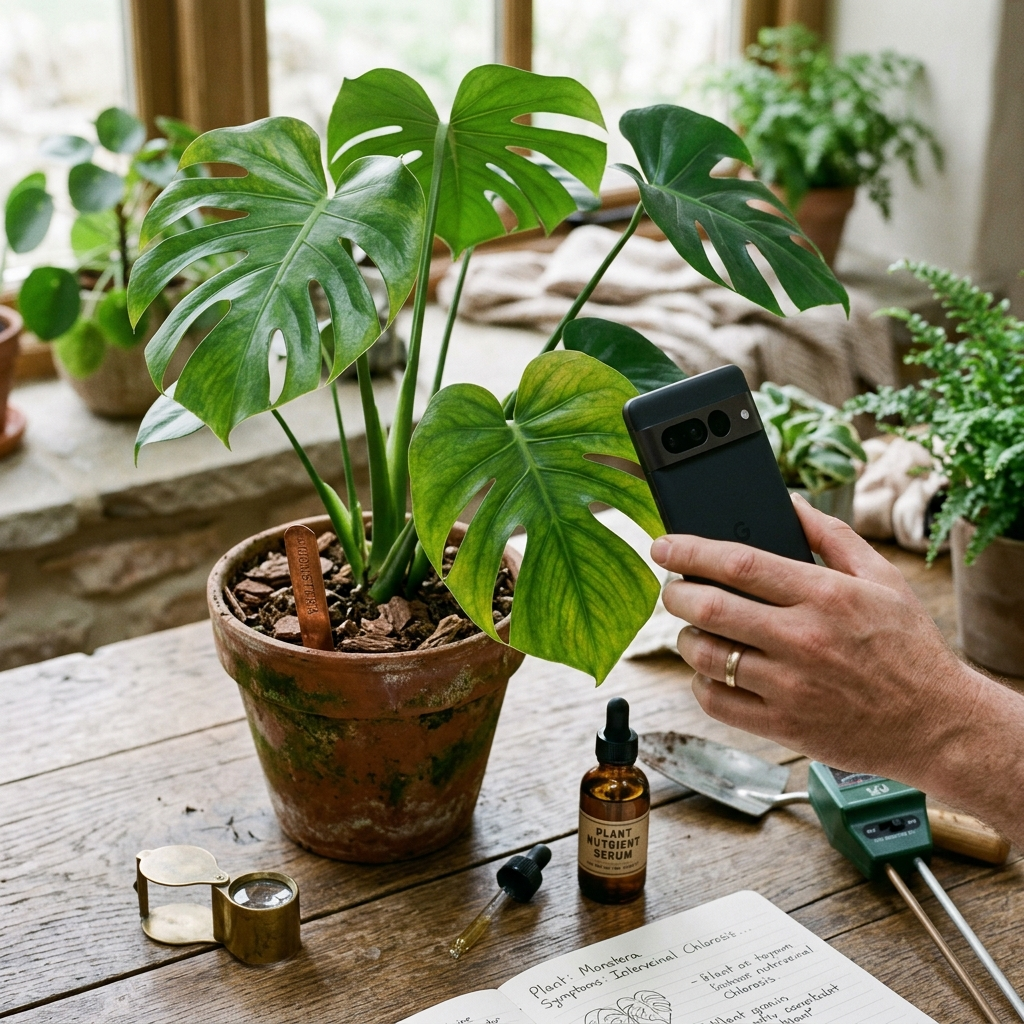
When a pepper or tomato plant shows interveinal chlorosis—yellowing tissue between green veins—growers often suspect spider mites or whitefly-transmitted viruses. Frequently, the cause is a magnesium or iron deficiency, or impaired root uptake from overwatering. Similarly, blossom end rot on tomatoes and zucchini resembles secondary rot from fruit-boring insects, yet it stems from localized calcium deficiency caused by inconsistent soil moisture.
By analyzing visual patterns across the leaf surface and plant structure, Plant Doctor helps separate pest damage from environmental stress and nutritional imbalances before you intervene.
Takeaway: Effective pest control starts with ruling out nutrient deficiencies and environmental stress so you treat only actual infestations.
Step-by-Step Workflow: Diagnosing Vegetable Pests with Plant Doctor
AI-powered plant diagnostics depend on clear visual evidence. Plant Doctor includes built-in photo tips for accurate results, which you can pair with regular garden scouting for reliable pest control.
- Inspect both sides of the foliage: Many vegetable pests—including aphids, squash bug eggs, and spider mites—cluster on the undersides of leaves away from direct sunlight and predators. Turn the leaf over before deciding what to photograph.
- Follow the in-app photo tips for framing: Position your camera so the damaged tissue, discolored lesion, or insect cluster is in sharp focus. Avoid extreme close-ups that blur texture and wide shots that obscure symptoms against the soil.
- Capture the transition zone: Photograph leaves showing the progression from healthy green tissue to damaged or yellowing areas. Completely dead, brown leaves rarely show diagnostic characteristics as clearly as leaves in early-to-middle stages of decline.
- Use natural, even lighting: Harsh midday glare washes out subtle yellow halos around fungal spots and hides fine webbing, while deep shadows obscure dark-bodied beetles. Shade the leaf lightly if shooting in bright sun.
- Review the diagnosis and step-by-step plan: Once Plant Doctor processes the image, review the identified issue, follow the treatment instructions to contain the problem, and apply the prevention steps to protect adjacent crops.
Takeaway: Clear, well-lit photos showing the transition between healthy and affected tissue yield the most accurate diagnostic and treatment recommendations.
Building a Preventative Pest Management Routine in Your Kitchen Garden
Reactive spraying is an inefficient way to manage a vegetable plot. Once a pest population establishes itself, treatment mainly limits losses. Integrating a diagnostic app into a weekly scouting routine shifts garden management from crisis response to early intervention.
Use Your Daily Allowance for Routine Scouting
During spring planting or light maintenance periods, Plant Doctor's daily free diagnosis allowance covers isolated anomalies before they spread. Walk your garden beds every few days to check susceptible crops like brassicas, cucurbits, and nightshades. Photographing the first sign of leaf stippling or wilting helps you apply targeted treatments while pest numbers remain low.
Scale Up During Peak Growing Season
When summer heat accelerates insect life cycles and humidity increases fungal pressure across multiple beds, upgrading to Plant Doctor PRO removes ads and unlocks unlimited diagnoses. You can inspect every bed—from checking lettuce for heat stress to scanning tomatoes for early blight and hornworm damage—without limiting your scans.
- Isolate new transplants: Scan nursery starts before planting them into shared beds to avoid introducing pests or diseases.
- Monitor companion crops: Check trap crops like nasturtiums or radishes to identify active pests before they migrate to your main harvest.
- Address environmental stress early: Correct watering and light issues promptly; stressed plants are more vulnerable to opportunistic insects.
Takeaway: Regular visual scouting paired with prompt diagnosis keeps minor pest issues from escalating into garden-wide infestations.
Conclusion
While botanical identification tools like PlantNet are useful for cataloging wild plants and learning local flora, vegetable gardening benefits from a dedicated diagnostic tool. Plant Doctor provides home gardeners with AI plant identification alongside pest, disease, nutrient deficiency, and environmental stress detection. When you spot leaf damage in your vegetable beds, open Plant Doctor, follow the built-in photo tips to capture the symptom clearly, and use its step-by-step treatment and prevention advice to protect your crops.
Frequently Asked Questions
PlantNet focuses on botanical taxonomy and species identification. Vegetable gardeners generally know what crops they planted; they need a diagnostic tool like Plant Doctor that detects pests, diseases, nutrient deficiencies, and environmental stress while providing step-by-step treatment advice.
Yes. From a photo of a plant, Plant Doctor evaluates visual symptoms to detect diseases, pests, nutrient deficiencies, and environmental stress, helping home gardeners avoid treating a soil or watering issue as a pest infestation.
Follow Plant Doctor's built-in photo tips: photograph the affected leaf or stem in even natural light, keep the damaged area and any visible insects in sharp focus, and include the transition zone between healthy and symptomatic tissue.
Plant Doctor includes a daily free diagnosis allowance for routine checks. For gardeners who want more frequent scans, a PRO upgrade removes ads and unlocks unlimited diagnoses.