Best Plant Disease Identification Apps by Photo in 2026
The best plant disease identification apps in 2026 combine visual analysis with comprehensive diagnostic capabilities, detecting fungal pathogens, bacterial infections, insect pests, nutrient deficiencies, and abiotic stress from a single photograph. Reliable diagnostic tools provide home gardeners with clear, step-by-step remediation plans rather than raw botanical jargon. Plant Doctor stands out by delivering multi-category diagnoses alongside practical care guidance tailored for everyday growers.
The Growing Challenge of Accurate Plant Diagnosis
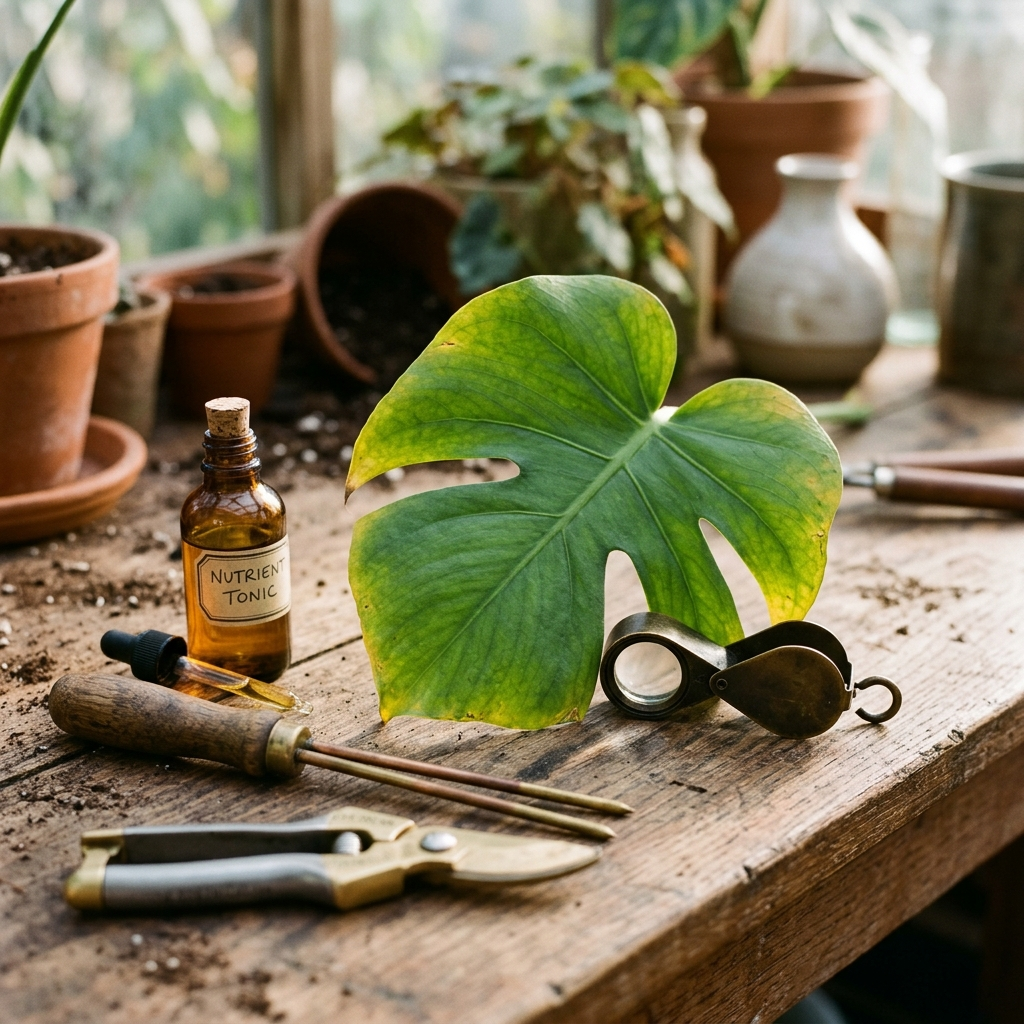
Home gardeners frequently encounter declining plants without understanding the underlying cause. A yellowing leaf can indicate an overwatering problem, an early nitrogen deficiency, root rot, or spider mite damage. Treating a cultural watering mistake with a chemical fungicide wastes money and stresses the plant further.
Misdiagnosis remains a primary reason garden interventions fail. Applying the wrong remedy often harms beneficial soil organisms, leaves pests unchecked, or permits foliar blights to spread to neighboring vegetation. Visual identification via smartphone cameras bridges the gap between expert horticulture and everyday gardening, allowing prompt intervention before damage becomes irreversible.
Key takeaway: Accurate identification must precede any treatment to prevent unnecessary chemical applications and plant loss.
Essential Criteria for Photo-Based Plant Health Apps
Not all identification apps offer the same diagnostic depth. Many tools classify botanical species accurately but struggle when evaluating symptomatic tissue. To deliver genuine utility in 2026, an app should analyze four distinct diagnostic categories:
- Pathological diseases: Fungal leaf spots, powdery mildew, rusts, bacterial cankers, and viral mosaics.
- Pest infestations: Sap-sucking insects such as aphids, thrips, spider mites, scale, and whiteflies.
- Nutrient deficiencies: Imbalances in nitrogen, iron, magnesium, phosphorus, or potassium that cause distinct chlorosis patterns.
- Environmental stressors: Scorch from intense sunlight, frost damage, improper soil moisture, and chemical drift.
Plant Doctor evaluates all four categories, ensuring that non-infectious physiological disorders are not mistakenly classified as biological infections. By categorizing the root issue correctly, gardeners avoid applying targeted pesticides to issues caused by compact soil or improper watering.
Key takeaway: Effective diagnostic applications assess both biological agents and physiological stressors rather than treating all symptoms as disease.
How to Capture Diagnostic-Quality Photos for Maximum Accuracy
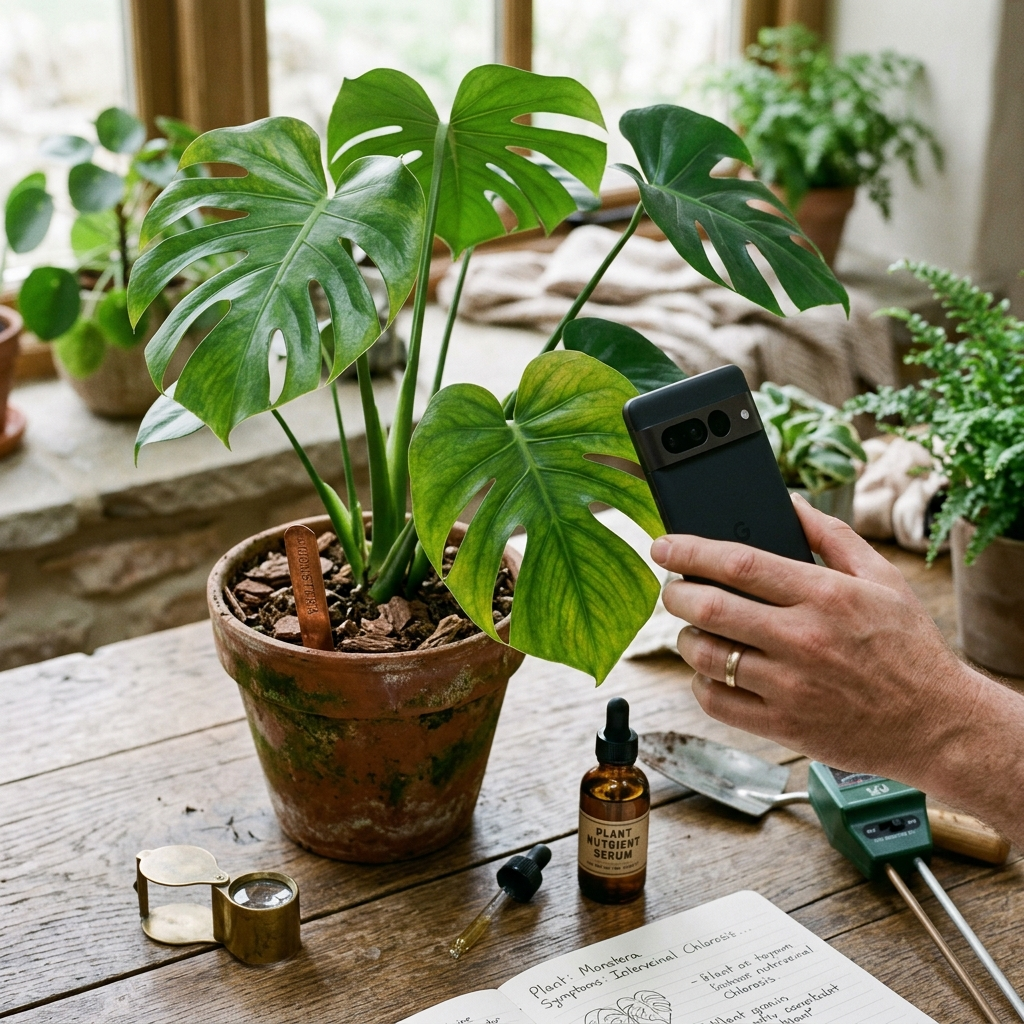
Computer vision algorithms depend directly on the visual quality of the submitted image. Blurry, poorly lit, or distant photographs frequently lead to ambiguous results or false positives. Following a standardized photo procedure ensures consistent diagnostic accuracy.
- Isolate the affected area: Frame the transition zone where healthy tissue meets diseased tissue. This border often contains active fungal spores or distinct lesion margins.
- Inspect leaf undersides: Pests such as spider mites, thrips, and aphids shelter beneath foliage. Take a dedicated photo of the abaxial leaf surface when fine stippling or webbing appears.
- Utilize diffused natural light: Direct midday sun creates harsh highlights and shadows that obscure subtle leaf discoloration. Overcast conditions or indirect morning light yield the truest leaf color.
- Stabilize focus: Hold the camera parallel to the leaf surface approximately six to twelve inches away. Ensure the vein structure remains sharp before snapping the photo.
Plant Doctor includes practical photo tips directly within the app, helping users correct framing, distance, and lighting before submitting an image for diagnosis.
Key takeaway: Capturing clear, well-lit images showing the transition between damaged and healthy tissue substantially improves identification accuracy.
Evaluating Remediation: From Diagnosis to Actionable Treatment
An accurate diagnosis serves little purpose if the accompanying treatment instructions are vague or impractical. Top-tier identification applications translate botanical findings into realistic protocols that home gardeners can execute safely.
Effective remediation advice differentiates between immediate containment and long-term cultural prevention. For instance, addressing early blight on a tomato plant requires two distinct phases: physical removal of lower affected leaves followed by improved bottom-watering practices and appropriate fungicidal controls. Plant Doctor structures its guidance into clear, numbered steps, outlining exact timing, sanitation practices, and safe home remedies alongside conventional controls.
Preventive advice is equally vital. Understanding that powdery mildew thrives in dry foliage under high humidity prompts gardeners to adjust spacing and airflow rather than relying exclusively on topical sprays.
Key takeaway: Select an app that outlines clear, chronological steps for both immediate remediation and long-term prevention.
Accessibility, Language Support, and Pricing Transparency
A dependable gardening companion should be accessible whenever an unexpected garden issue arises. Gardeners operate across diverse environments and geographic regions, making multi-language availability and user-friendly interface design crucial considerations.
Plant Doctor accommodates international growers with support for 10 languages, including comprehensive right-to-left (RTL) formatting for Arabic and Hebrew speakers. This localized approach ensures technical plant pathology terms remain clear and understandable across regions.
Pricing models should also provide predictable utility without aggressive barriers. Many apps restrict basic functionality behind immediate paywalls. In contrast, Plant Doctor offers a free daily diagnosis allowance, allowing casual growers to inspect individual plants as problems arise. For frequent gardeners, allotment holders, or greenhouse hobbyists managing extensive collections, an optional PRO upgrade removes advertisements and provides unlimited diagnostic queries.
Key takeaway: Transparent usage options and localized language support make plant health tools practical for gardeners across different experience levels and regions.
Selecting the Right Plant Health Companion in 2026
Preserving garden health requires prompt observation, correct diagnosis, and sensible intervention. Photo-based plant health apps have transformed how growers manage domestic gardens, indoor houseplant collections, and patio vegetables. By identifying specific diseases, pests, nutrient shortages, and environmental stress factors, modern mobile tools eliminate the guesswork that often leads to plant loss.
For growers seeking a balanced combination of accurate detection, photographic guidance, and clear step-by-step treatment protocols, Plant Doctor provides an effective, accessible solution. Take advantage of the daily free diagnoses to assess your foliage at the first sign of distress, and maintain a resilient garden throughout the growing season.