Best Greg Alternatives for Garden Watering Schedules: A Professional Comparison
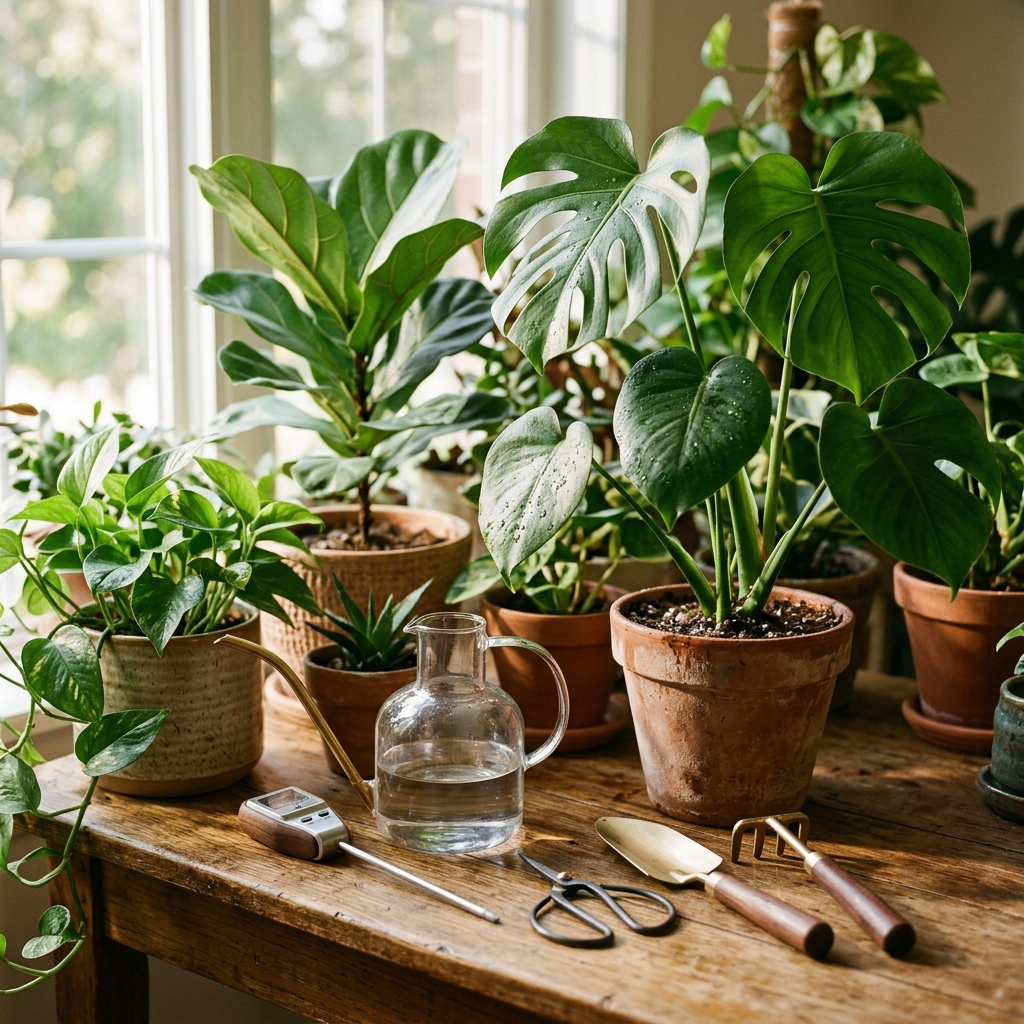
Finding the right alternative to Greg for garden watering schedules depends on matching your garden's environmental parameters with precise hydrological tracking. Options like Planta, Vera, and SmartPlant offer algorithms based on localized weather, pot size, soil moisture dynamics, and species-specific evapotranspiration rates. For outdoor growers and collection managers needing structured plant hydration routines, these platforms provide greater customization than standard reminder applications.
The Limits of General Plant Care Applications
Managing an outdoor garden or extensive indoor collection demands precise environmental adjustments. Standard watering timers and general plant care applications often rely on static schedules that fail to account for fluctuating humidity, wind speed, or seasonal sunlight shifts. When an algorithm assumes constant indoor ambient conditions, outdoor plants risk root rot from overwatering or leaf drop from desiccation.
Greg built its user base around community features and social sharing, but advanced horticultural management requires analytical depth. Gardeners migrating from Greg typically seek tools with granular control over soil substrates, container materials, drainage options, and local meteorological integration. Evaluating software alternatives requires analyzing how effectively each platform prevents common irrigation errors.
Takeaway: Dynamic outdoor conditions require hydration platforms that adjust schedules continuously based on real-time environmental indicators rather than fixed calendars.
Top Alternatives to Greg for Custom Hydration Schedules
Planta is one of the most comprehensive alternatives, particularly for growers managing distinct microclimates across balconies, raised beds, and indoor spaces. Its core strength lies in its step-by-step moisture check protocols, which prompt users to verify soil dryness at specific depths before watering. This reduces the risk of overwatering caused by over-reliance on automated schedules.
Vera, developed by Bloomscape, offers a simplified, tracking-focused interface for gardeners who prefer manual control without social feeds. Vera functions as a digital garden journal, allowing users to log watering, misting, fertilizing, and repotting events alongside photos. It is a practical solution for experienced growers who need a structured log rather than automated algorithmic recommendations.
SmartPlant integrates expert consultation with diagnostic alerts, providing targeted hydration advice when environmental stress occurs. By connecting plant profiles with geographic climate data, SmartPlant offers dynamic guidance suited for outdoor perennials and edible crops that react sharply to weather changes.
Takeaway: Choose Planta for structured moisture checks, Vera for log-based tracking, or SmartPlant for integrated expert advice and weather responses.
Evaluating Key Features: What Modern Gardeners Need
When selecting a hydration management tool, key technical criteria determine long-term success. Understanding these parameters helps narrow down options based on your specific garden layout:
- Microclimate Customization: Ability to set exact light directions, indoor heating types, outdoor exposure, and humidity zones.
- Soil and Pot Parameter Options: Support for terracotta, plastic, glazed ceramic, or fabric containers, alongside soil amendments like perlite or peat moss.
- Weather Integration: Automatic adjustments based on local rainfall updates, heat alerts, and seasonal daylight length.
- Moisture Meter Calibration: Tools that synthesize user inputs from physical soil moisture probes into the schedule.
Takeaway: Prioritize applications that allow precise customization of container materials and soil composition, as these directly dictate evaporation rates.
Step-by-Step Guide to Establishing a Precision Watering Routine
Transitioning from a fixed calendar to a dynamic watering workflow requires systematic setup. Following structured steps ensures accurate app calculations from day one.
- Document Garden Zones: Group plants by physical location, light exposure, and airflow velocity rather than plant species alone.
- Audit Container and Soil Types: Record container material and soil porosity for each plant, as fabric pots dry faster than glazed ceramic.
- Establish a Baseline Finger Test: Check soil moisture manually at a depth of 2 inches before executing app-recommended watering events during the first two weeks.
- Calibrate Seasonal Adjustments: Update location profile settings twice annually to reflect summer sun position and winter dormant periods.
Takeaway: Initial manual verification during the onboarding phase prevents software-driven overwatering while the algorithm learns your environment.
Integrating Health Monitoring with Irrigation Schedules
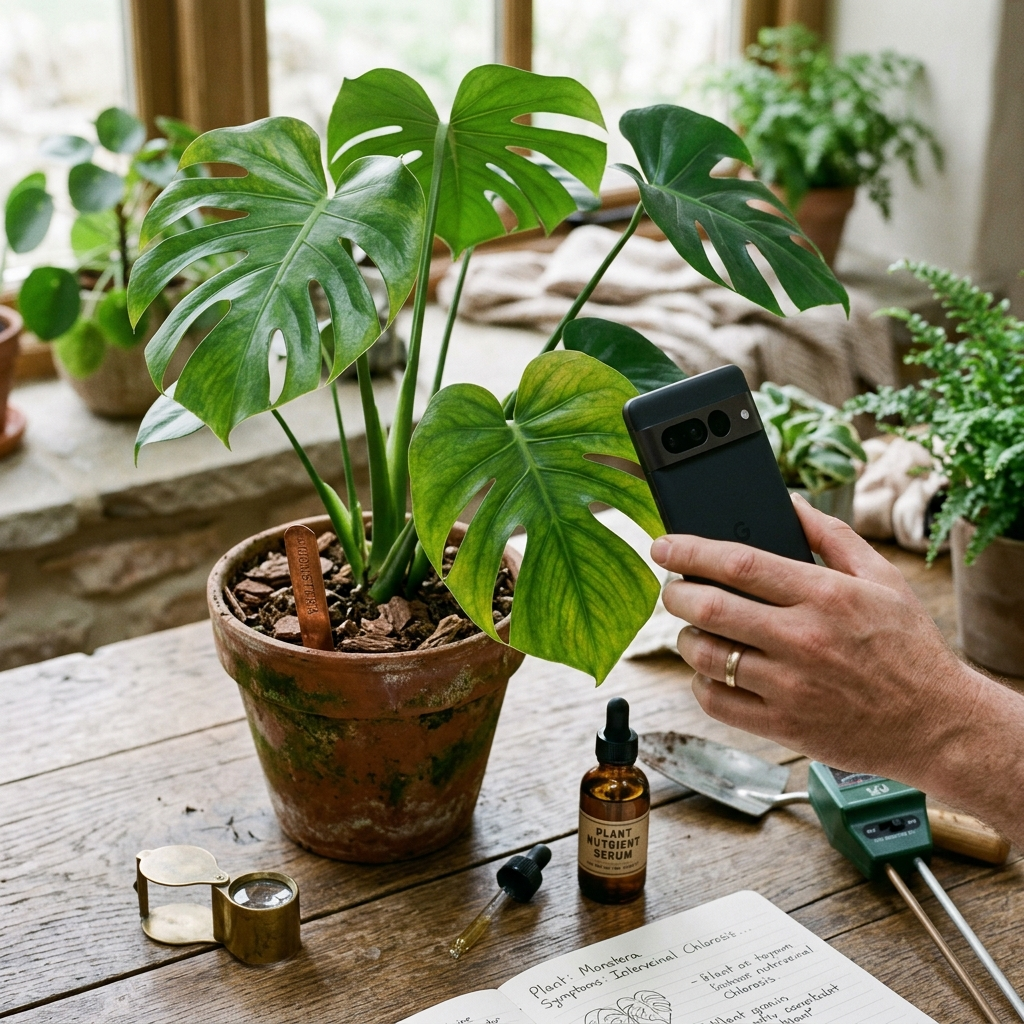
Watering schedules cannot operate in isolation from overall plant health. Symptoms of overwatering—such as yellowing lower leaves, soft stems, and fungal growth—often mimic signs of underwatering or root stress. When adjusting hydration schedules, observing leaf texture, pest presence, and nutrient deficiencies is vital to confirming whether the watering frequency is correct.
Integrating plant diagnostic tools alongside schedule management prevents misdiagnosing environmental stress as drought. When automated schedules fail due to unexpected root rot or pest infestation, having an efficient diagnostic companion ensures rapid recovery.
If you suspect your current watering routine has triggered root damage or environmental stress, diagnostic tools like Plant Doctor help you identify underlying issues, analyze photos, and implement treatment plans to stabilize your garden.
Takeaway: Combine dynamic watering calendars with proactive visual health diagnostics to address root issues before permanent damage occurs.
Frequently Asked Questions
While Greg focuses on social features and basic houseplant care, outdoor gardens often require deeper microclimate tracking, custom soil drainage calculations, and flexible hardware integrations.
Most smart watering applications combine plant species data, soil volume, pot material, ambient temperature, humidity forecasts, and light exposure to estimate transpiration rates.
Apps with local meteorological integrations adjust hydration intervals dynamically based on actual precipitation levels and temperature spikes.