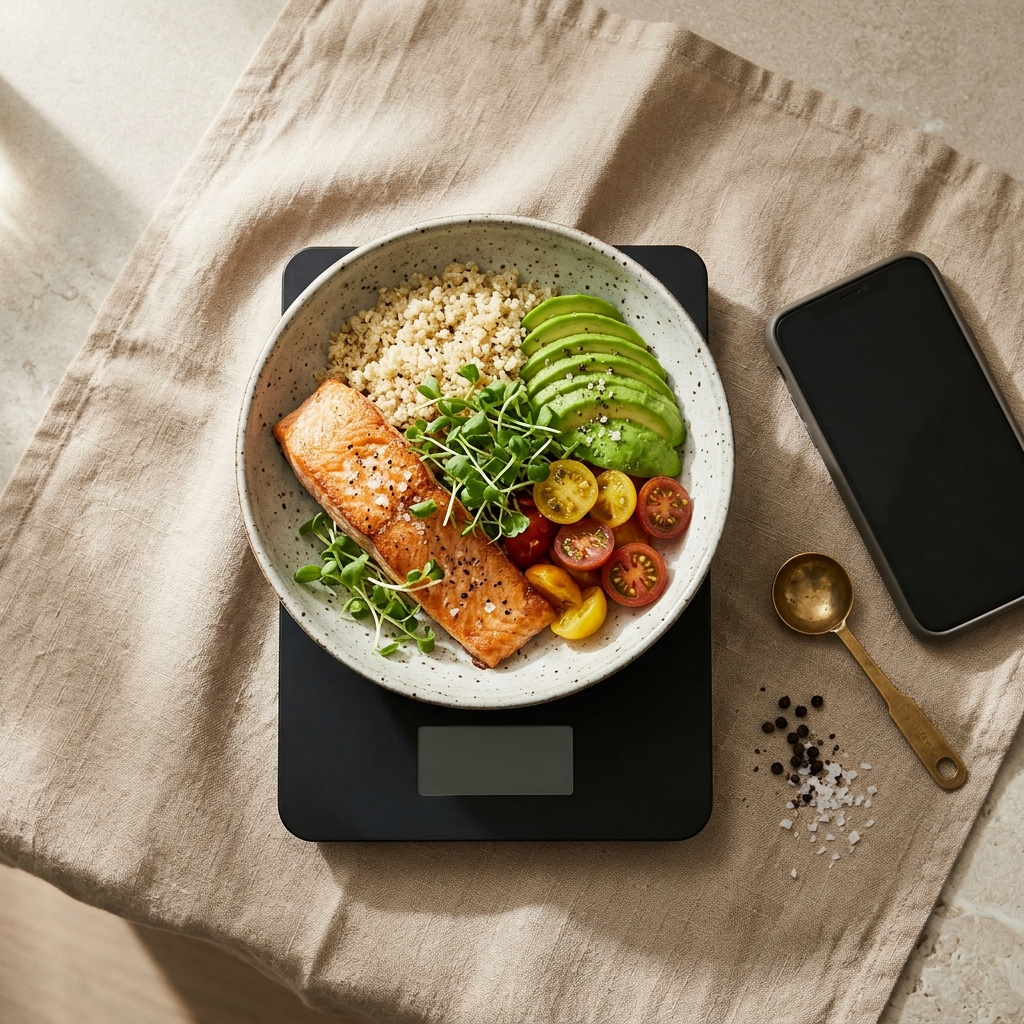
Top Nutrition Tracking Apps for Weight Loss and Muscle Gain: A Practical Evaluation
Effective nutrition tracking apps for weight loss and muscle gain pair rapid meal logging with detailed macronutrient analytics and manual adjustment controls. Tools such as Foodly (Food Ai) reduce logging friction by analyzing meal photos to identify foods and estimate portions, while preserving user control over calorie, protein, carbohydrate, and fat figures. Selecting an appropriate platform requires balancing automated convenience with granular oversight to maintain long-term dietary consistency.
Why Logging Friction Derails Body Composition Goals
Changing body composition—whether reducing body fat or building muscle—requires consistent adherence to energy balance and macronutrient targets. Traditional manual tracking involves searching databases, weighing individual ingredients, and recording every condiment and cooking oil. While thorough, this workflow introduces substantial cognitive friction, leading many users to abandon tracking within weeks, particularly when dining out or eating complex home-cooked meals.
Gaps in logging distort weekly energy balance calculations. Omitting two or three meals per week—or stopping tracking over weekends—can mask a calorie surplus during a fat-loss phase or obscure a protein deficit during muscle gain. Modern nutrition applications address this by streamlining data entry without sacrificing necessary detail.
Core Criteria for Evaluating Nutrition Tracking Apps
When assessing nutrition tracking platforms for physique and health goals, evaluate how the software handles portion uncertainty, macronutrient distribution, and longitudinal trends:
- Logging Efficiency: The platform should minimize the time required to record a meal. Image recognition accelerates initial entry, provided estimates remain fully editable.
- Confidence Scoring: Automated tools should indicate estimation uncertainty—such as when sauces, oils, or mixed ingredients obscure portions—signaling when an entry requires manual review.
- Manual Override: Automation should assist rather than dictate logging. Reliable platforms allow users to adjust detected ingredients and portion sizes before saving.
- Macronutrient Granularity: Weight loss requires monitoring daily calorie limits, while muscle development requires meeting targeted protein thresholds and managing carbohydrate and fat ratios to support training.
- Multi-Day Trend Analysis: Single-day variations rarely reflect long-term progress. Weekly trend charts indicate whether average intake aligns with designated targets.
Key Takeaway: Prioritize applications that combine rapid entry with full editing control and comprehensive weekly reporting.
How AI Photo Recognition Changes Daily Calorie and Macro Logging
Applications like Foodly address manual-entry bottlenecks through photo-based recognition. Rather than searching for each ingredient manually, users photograph their plate. The system identifies meal components, estimates portion volumes, and calculates calories, protein, carbohydrates, and fats.
Smart Confidence Scoring and Manual Override
Visual food analysis carries inherent limitations: image sensors cannot distinguish fat content in dairy or measure exact quantities of cooking oil. Foodly addresses these constraints through confidence scoring and manual adjustment options.
When processing a photo, the app assigns confidence scores to detected items. High confidence reflects distinct, whole foods, while lower scores flag mixed recipes or obscured ingredients. Users can then review and adjust portion sizes or ingredient listings. This hybrid process combines the speed of image analysis with the accuracy of manual verification.
Key Takeaway: Leverage image recognition for rapid meal identification, then use confidence indicators and manual adjustments to account for hidden fats and precise portion weights.
Comparing Tracking Approaches for Fat Loss vs. Muscle Gain
Although tracking mechanics remain identical across goals, analytical focus shifts between caloric deficits for fat loss and caloric surpluses for muscle hypertrophy.
Priorities During a Weight Loss Phase
During fat loss, the primary metric is the remaining daily calorie allowance, supported by sufficient protein intake to preserve lean tissue. Real-time dashboard tracking clarifies how each meal influences daily allowances, while weekly trend analysis prevents short-term weight fluctuations from obscuring sustained caloric deficits.
Priorities During a Muscle Gain Phase
Building muscle requires consistent caloric intake and deliberate macronutrient distribution. Visual macro charts help ensure caloric surpluses derive from adequate protein and carbohydrates rather than surplus dietary fat. If intake falls short early in the week, trend tracking identifies the deficit so adjustments can be made gradually.
Key Takeaway: Center weight-loss tracking on daily calorie balances, and anchor muscle-gain tracking on protein targets, macronutrient balance, and weekly intake consistency.
Step-by-Step Workflow for Accurate AI-Assisted Nutrition Tracking
To ensure reliable data collection with photo-based trackers like Foodly, follow this operational workflow:
- Complete Profile Setup: Enter baseline personal metrics during onboarding to establish tailored calorie and macronutrient targets.
- Photograph Meals Clearly: Capture well-lit images from an angle that reveals all meal components without overlapping items.
- Review Confidence Indicators: Inspect the confidence score for recognized foods to identify items that require closer inspection.
- Apply Manual Adjustments: Edit entries to account for cooking oils, dressings, or specific protein cuts that image recognition cannot detect.
- Monitor Dashboard Metrics: Review remaining calories and macronutrient ratios after each entry to guide subsequent food choices.
- Audit Weekly Trends: Review weekly charts every seven days to assess average intake and confirm progress before modifying nutrition targets.
Key Takeaway: Combining clear meal photos with brief verification of confidence scores and cooking additives maintains log accuracy with minimal administrative effort.
Building a Sustainable Nutrition Tracking Habit
The most effective nutrition tracking platform is one that users can maintain consistently. By integrating image recognition, confidence scoring, manual adjustments, and longitudinal trend analytics, Foodly (Food Ai) simplifies routine data entry. Establishing a baseline by tracking typical meals for one week enables informed adjustments toward weight-loss or muscle-gain goals.
Frequently Asked Questions
AI photo trackers provide fast initial estimates of food types and portions. To maintain accuracy for weight loss or muscle gain, apps like Foodly include confidence scoring and manual adjustment tools, allowing users to correct for hidden cooking oils, sauces, and precise serving sizes.
Both metrics serve distinct functions. Total calorie intake regulates weight loss or gain, while macronutrient distribution—particularly adequate protein—preserves muscle during a deficit and fuels training and tissue synthesis during a surplus.
Daily dietary intake naturally fluctuates due to training schedules, social obligations, and appetite changes. Weekly trend charts smooth out these daily variations, showing whether average intake aligns with established nutritional goals.
Capture images in good lighting with ingredients arranged clearly on the plate. Review the system's confidence scores after analysis, and use manual adjustment features to specify exact portion sizes and uncaptured additives like cooking fats.