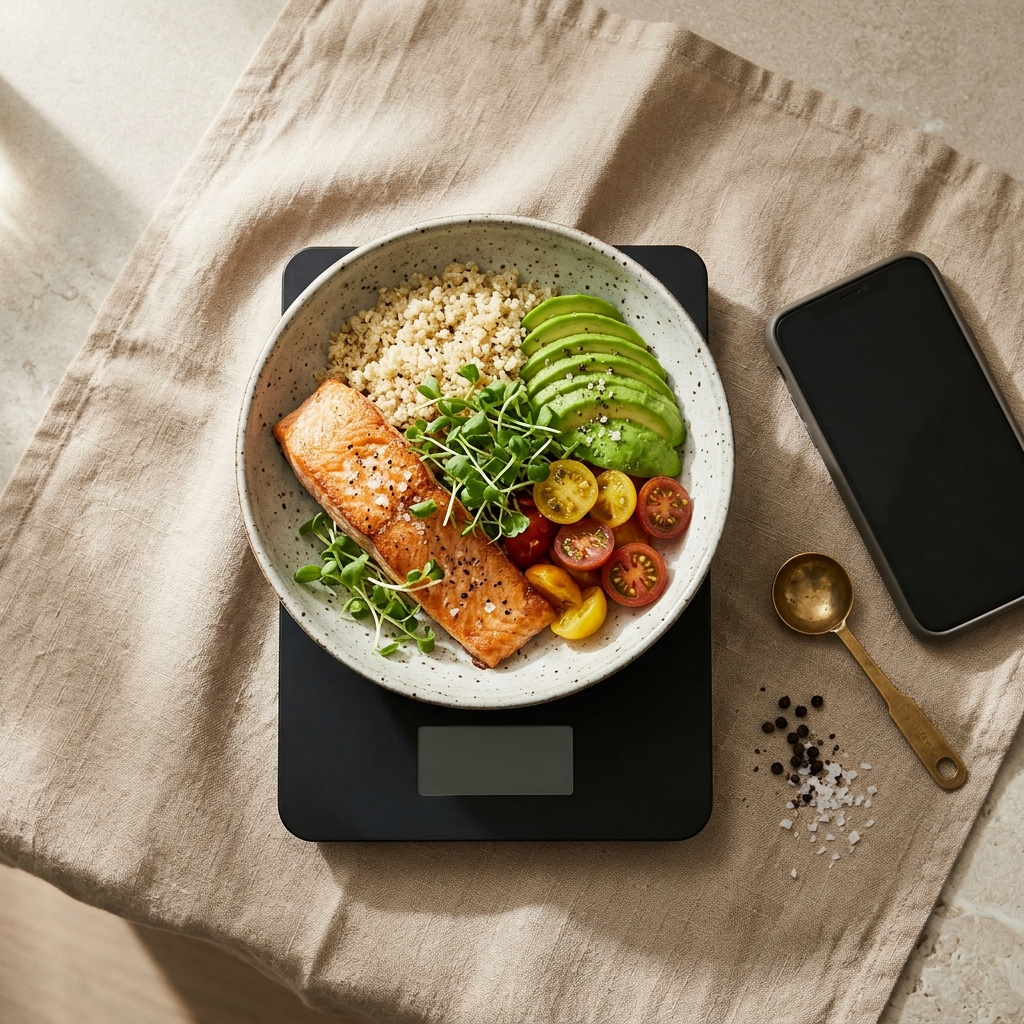
Smart Calorie and Nutrition Tracking: The Complete Guide for 2026
Smart calorie and nutrition tracking uses computer vision to record meals from photographs. Rather than relying on manual database searches, modern trackers identify foods, estimate portion sizes, and calculate macronutrients in real time. This automated process removes the friction that often leads people to abandon dietary monitoring.
The Core Challenge of Traditional Dietary Logging
Dietary logging builds nutritional awareness and supports body composition goals. However, long-term adherence remains low. Traditional logging requires weighing portions, searching databases, and manually entering multi-ingredient recipes multiple times a day.
Manual portion estimation is also prone to error. Most people underestimate daily caloric intake by 20 to 40 percent, frequently misjudging cooking oils, dressings, and carbohydrate portions. When tracking is both labor-intensive and inaccurate, consistency drops.
Photo-based tracking directly addresses this problem. By replacing manual text entry with visual recognition, applications like Foodly lower the barrier to entry and standardize portion estimation across meals.
Key takeaway: Reducing data-entry friction improves adherence, helping users maintain consistent, sustainable logging habits.
How Visual Food Recognition Operates
Modern dietary platforms use computer vision models trained to identify varied meal preparations. When you photograph a plate, the system detects distinct items, evaluates visual dimensions, and identifies key ingredients.
The analysis provides four core nutritional metrics:
- Total energy: Calculated in kilocalories to evaluate intake against daily targets.
- Protein: Essential for tissue repair, muscle retention, and satiety.
- Dietary fats: Required for hormone production, nutrient absorption, and sustained energy.
- Carbohydrates: The primary energy source for cognitive and physical activity.
Visual recognition estimates volume relative to plate dimensions and composition. Because mixed preparations such as casseroles or sauces can obscure ingredients, tracking engines assign confidence scores to each detected item to indicate estimation reliability.
Key takeaway: Visual recognition converts meal photos into macronutrient metrics in seconds, replacing manual searches.
Confidence Scoring and Manual Verification
Accurate dietary management requires data verification. Smart confidence scores display the system's certainty for each identified food and portion estimate.
High scores indicate clearly separated items and standard preparations. Lower scores occur when sauces conceal ingredients, foods are blended, or dim lighting obscures volume. When uncertainty arises, the platform relies on manual verification rather than unverified assumptions.
A manual override workflow maintains data accuracy:
- The platform displays its identification, portion estimates, and confidence scores.
- The user compares the itemized list with the meal.
- If an ingredient is misidentified or a portion size is off, the user edits the entry before saving.
This workflow pairs automated speed with user oversight, keeping nutritional records accurate over time.
Key takeaway: Confidence scores show when verification is needed, combining automation with manual adjustments for reliable data.
Interpreting Real-Time Dashboards and Weekly Trends
Logged data is useful only when it guides eating decisions. Modern dashboards translate meal data into clear visual metrics.
An effective dashboard highlights three core metrics:
- Remaining calorie budget: A real-time balance that adjusts as meals are logged, showing available calories for the rest of the day.
- Macronutrient distribution: Clear charts showing the ratio of protein, carbohydrates, and fats relative to individual targets.
- Goal progress: Progress indicators based on profile details entered during onboarding, such as age and baseline health objectives.
Evaluating weekly trends is just as important as daily tracking. Nutritional outcomes depend on sustained energy balance over weeks, not isolated 24-hour periods. Reviewing rolling trends highlights recurring patterns—such as lower weekday protein intake or higher weekend calorie totals—allowing for practical adjustments without overreacting to single-day fluctuations.
Key takeaway: Dashboards provide real-time guidance for upcoming meals, while weekly charts show the broader trends that influence long-term health.
A Daily Protocol for Consistent Nutrition Tracking
A standardized routine reduces tracking effort and maintains consistent data. Follow these five steps when logging meals:
- Photograph the meal before eating: Center your device above the plate with sufficient lighting to capture all components clearly.
- Review the instant breakdown: Check the identified foods and corresponding confidence scores.
- Apply necessary corrections: Use manual override to adjust portion sizes or add unlisted dressings and sides.
- Check your remaining budget: Reference the dashboard to see how the meal affects your remaining calories and macro targets.
- Review weekly summaries: At the end of each week, check macro distributions and calorie averages against your goals.
Key takeaway: A consistent five-step capture routine keeps logging fast, requiring under two minutes per day.
Sustainable Nutritional Awareness
Dietary tracking builds long-term nutritional awareness. By combining automated photo recognition with clear dashboards, apps like Foodly eliminate the administrative burden of traditional logging.
Repeatedly reviewing portion sizes alongside macronutrient data helps users develop an intuitive understanding of meal composition and portion control. Sustainable nutrition does not require exhaustive manual record-keeping; it relies on clear data, low-friction tools, and consistent habits.