Best Macro Tracking Apps for Intermittent Fasting in 2026: Precision Nutrition for Compressed Eating Windows
Managing macronutrient intake during intermittent fasting requires an app that minimizes manual logging friction, helping you hit precise targets within a compressed eating window. Effective tracking tools eliminate tedious database searches through automated photo recognition while offering clear visibility into protein, carbohydrate, and fat totals. Choosing an application with instant meal capture and transparent confidence scoring supports nutritional consistency without disrupting your daily schedule.
The Nutritional Friction of Intermittent Fasting
Intermittent fasting restricts your eating schedule to designated windows, such as a 16:8 or 20:4 pattern. While time-restricted eating simplifies daily scheduling, it narrows the margin for nutritional error. Consuming adequate protein and micronutrients in two or three meals requires deliberate planning.
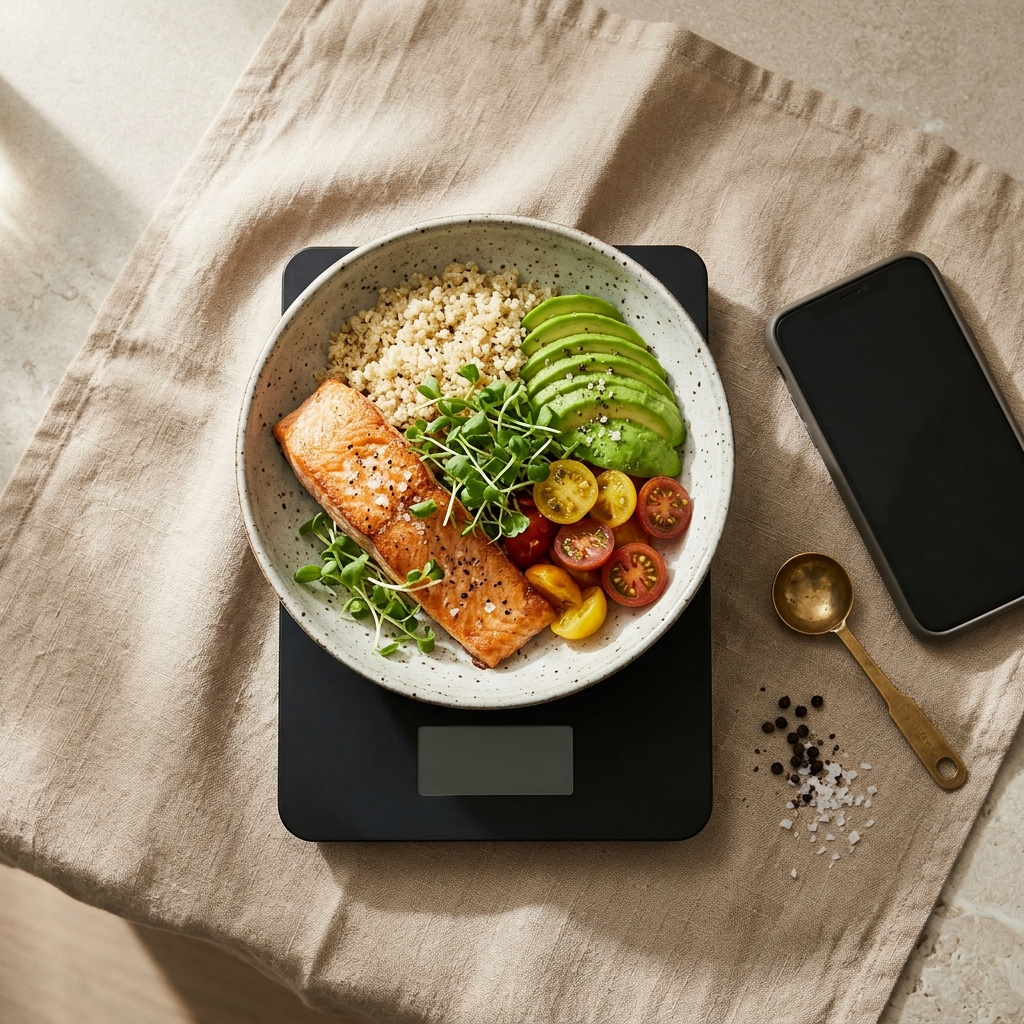
Many people struggle with fasting protocols because logging dense meals within a brief window feels tedious. Conventional tracking methods require manual ingredient weigh-ins, text searches, and continuous portion estimation. When logging consumes ten minutes per sitting, consistency often declines.
Takeaway: Fasting schedules require low-friction tracking because fewer meals carry your full daily nutrient requirements.
Core Criteria for Fasting-Compatible Macro Trackers
When selecting a macro tracker for intermittent fasting, prioritize speed, estimation transparency, and macro balance displays. Fasting timers often lack detailed nutrition databases, while standard calorie counters can require time-consuming manual entry.
- Frictionless meal capture: Logging plates through visual recognition reduces tracking fatigue during short eating windows.
- Visible confidence metrics: Photo recognition should indicate its level of certainty so you can confirm portions quickly.
- Direct macro breakdown: Clear displays of protein, carbohydrate, and fat totals help ensure satiety and support muscle maintenance.
- Manual override controls: Automated estimates must allow quick manual adjustments for specific ingredients or added oils.
Takeaway: Look for tools that combine automated image detection with manual controls, keeping the focus on nutrition rather than manual database entry.
Top Macro Tracking Approaches in 2026
Modern nutrition tracking falls into two primary categories: traditional manual loggers and AI-driven image trackers built for rapid logging.
1. AI-Powered Visual Loggers: Foodly: Calorie & Macro Log
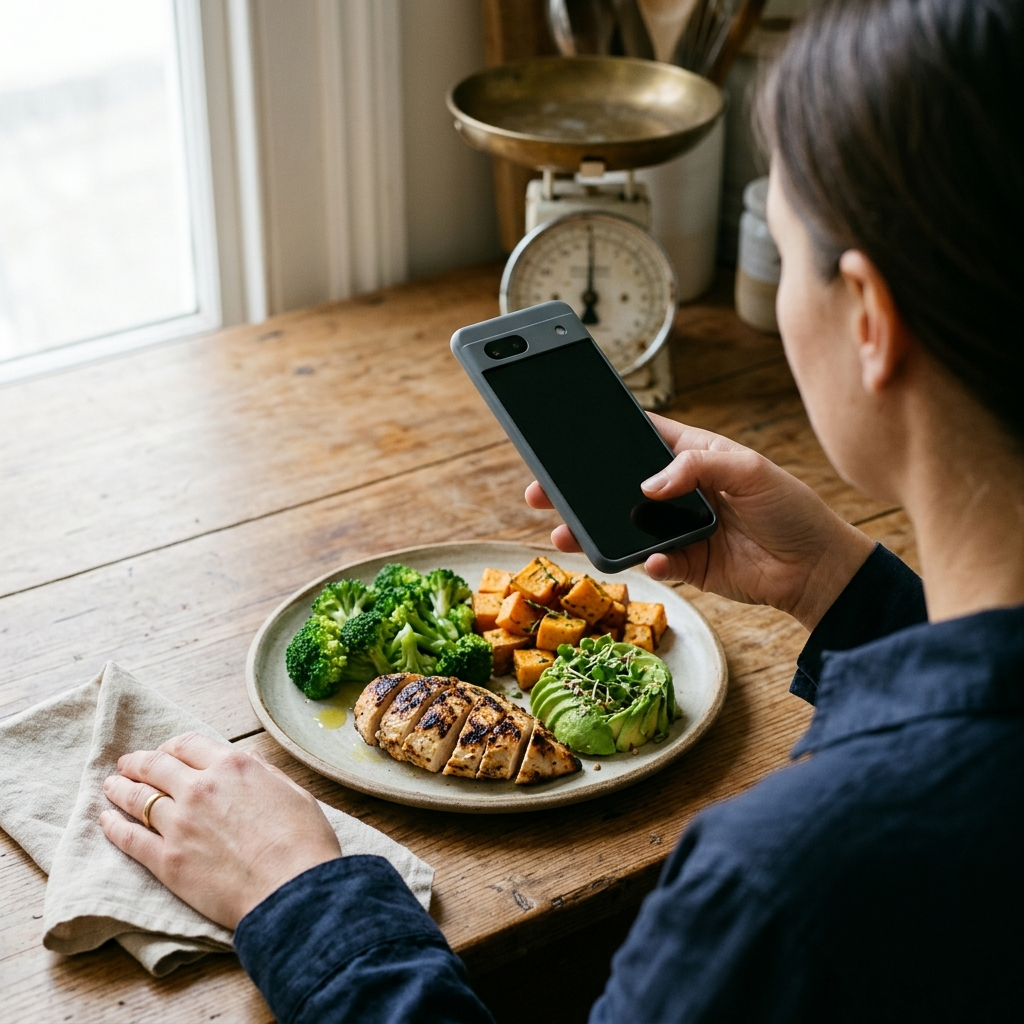
Foodly addresses tracking friction by replacing manual text searches with AI-powered food recognition. Users photograph their meals, and the application identifies items, estimates portions, and generates immediate macro breakdowns.
Because fasting meals often combine multiple items, Foodly provides confidence scores for its estimates alongside manual override controls. This helps maintain accurate records of protein, fat, and carbohydrate totals without requiring lengthy searches. An integrated dashboard tracks daily calorie targets and macronutrient distributions in real time, supported by weekly trend analysis to monitor consistency over time.
2. Traditional Database Loggers
Traditional tracking applications rely on manual database searches and barcode scanning. While useful for packaged foods, they present challenges for homemade meals made from whole foods, lean proteins, and complex carbohydrates. Entering individual ingredients for a single meal requires multiple searches, increasing the likelihood of missed logs.
Takeaway: Visual recognition applications like Foodly provide the speed needed to stay consistent when logging multi-component meals.
How to Structure Your Macros Across a Fasting Window
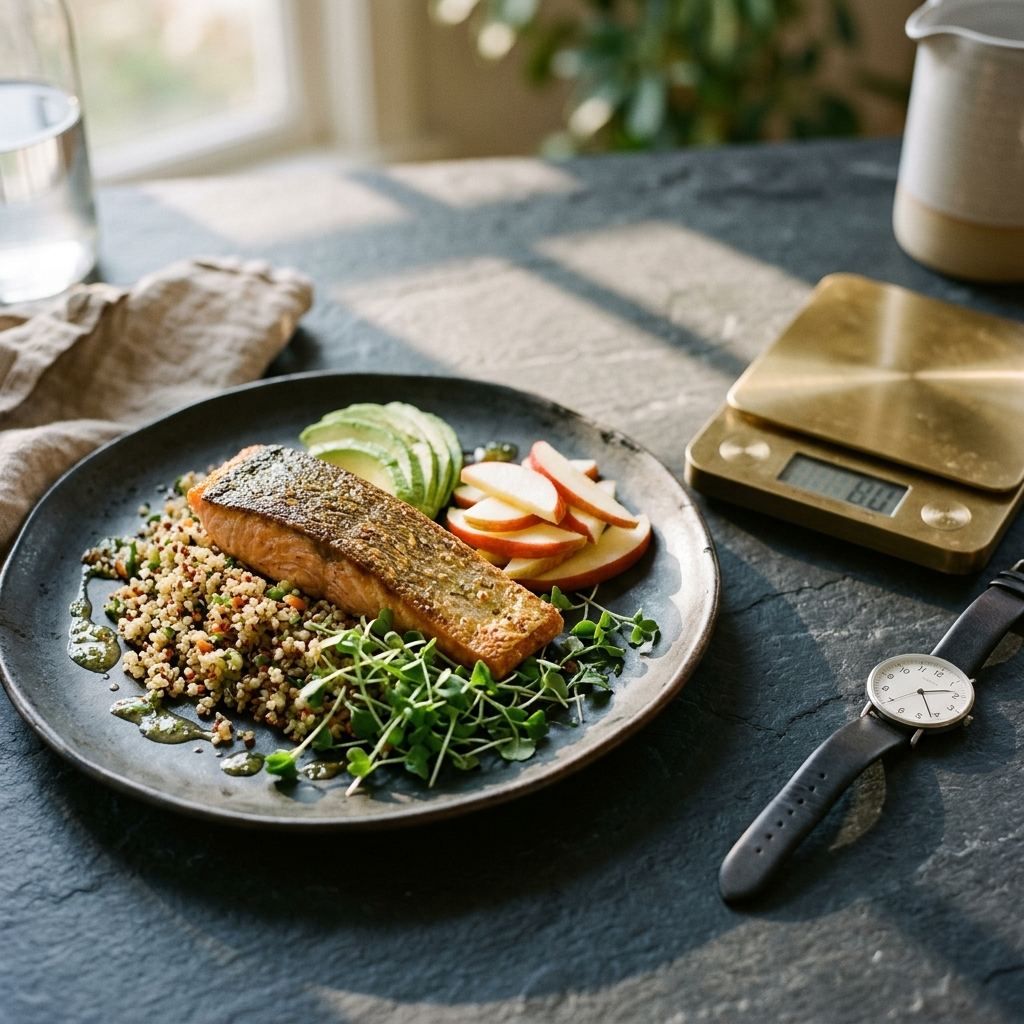
Consuming daily nutrition within six to eight hours requires structured macro distribution to maintain energy and support digestion. Distributing macronutrients strategically helps manage hunger and preserve lean tissue.
- The Fast-Breaking Meal: Prioritize lean protein and healthy fats while moderating dense carbohydrates to maintain steady energy levels. Aiming for 35 to 45 percent of your daily protein intake works well for this meal.
- The Interim Bridge (Optional): If your schedule includes an intermediate snack or meal, emphasize fiber and micronutrient-dense foods to support digestion.
- The Final Window Meal: Balance remaining protein targets with complex carbohydrates and healthy fats. Slower-digesting proteins help maintain amino acid levels into the fasting period.
Takeaway: Distribute protein evenly across your eating window and incorporate complex carbohydrates into your final meal to sustain satiety.
Daily Implementation Checklist for Fasting Success
To maintain an efficient routine with an app like Foodly, follow this checklist during each eating window:
- Configure personalized targets: Set baseline protein, carbohydrate, and fat goals during onboarding based on your activity level and health objectives.
- Capture before consuming: Photograph your complete plate before eating so the app can generate macro totals immediately.
- Verify confidence ratings: Review the app's confidence score and use manual override to adjust ingredients or portions when needed.
- Monitor your daily budget: Check your macro dashboard between meals to track remaining protein requirements before the eating window closes.
- Review weekly trend analysis: Check your seven-day intake patterns to identify any nutritional deficits across your fasting schedule.
Takeaway: Logging each meal as you eat prevents nutrient shortfalls before your fasting window begins.
Optimizing Nutritional Consistency
Intermittent fasting provides a structured schedule for caloric control, but long-term results depend on macronutrient balance. Using a tracking tool that combines photo recognition with clear macro visualization eliminates logging resistance, helping you meet your nutritional goals consistently across each eating window.
Frequently Asked Questions
Because intermittent fasting consolidates daily nutrition into fewer meals, macro tracking helps ensure you meet essential protein and fat targets that might otherwise be underconsumed on a restricted schedule.
Foodly uses AI to analyze meal photos, identify foods, estimate portion sizes, and calculate protein, carbohydrate, fat, and calorie totals, accompanied by a confidence score and manual adjustment options.
Foodly includes a manual override feature that allows you to adjust ingredient names, portion estimates, or nutritional values directly.
Protein should be prioritized to help preserve lean muscle mass and support satiety throughout the fasting period, accompanied by balanced fats and complex carbohydrates.